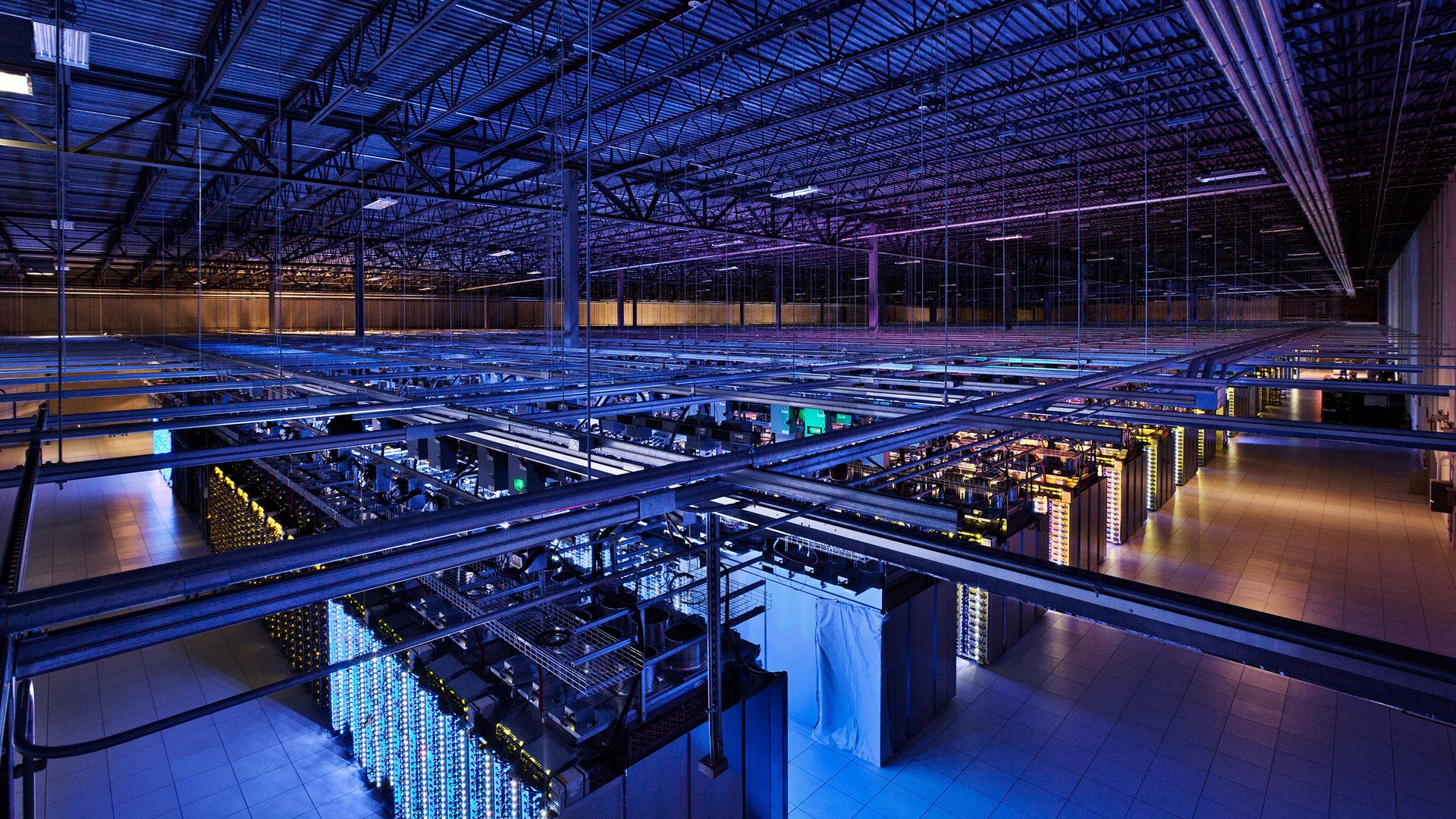
AI Hardware's Next Constraint Is Power, Not Silicon
Three recent signals show that the binding limits on AI hardware are shifting from GPU supply toward electricity, cooling, and the physical layout of very large clusters.

Chip Collateral, Inference Demand and the Pull of Gravity
Across three recent stories, the chip economy is being forced back toward the physical: collateral that must stay reachable, racks that must stay air-cooled, and compute that must run where enterprises already are.

Hardware's Real Story Is Uptime, Not Speeds
Four recent hardware stories point to the same shift: the products that matter now are the ones that keep other things running, and buyers feel it most when they fail.
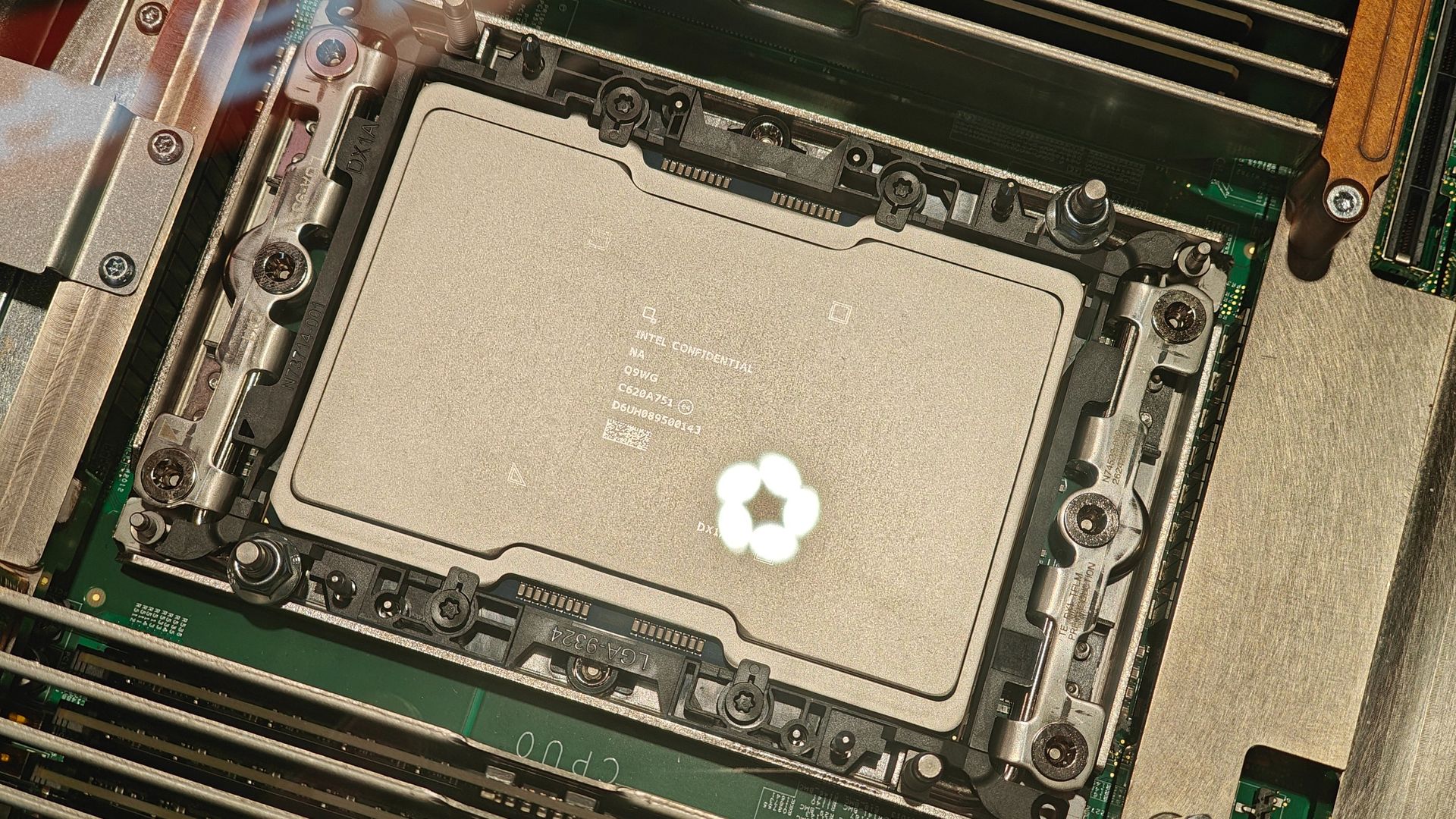
The CPU Returns to the Center of the AI Buildout
Three recent signals show the processor, not the accelerator, becoming the binding constraint in AI infrastructure and the focus of US supply deals.

AI Hardware's Real Constraint Is the System Around the GPU
Three recent stories show the same pattern: the GPU is no longer the whole product, and the work around it decides who can actually use AI hardware.

The AI Chip Boom Rests on a Fragile Physical Foundation
The same infrastructure bottlenecks and founder-dependence that shape AI chip demand are creating new risks for US semiconductor companies.

The AI Buildout Hits the Silicon and the Supply Chain
Four hardware stories point to the same shift: AI demand is now constrained less by ambition than by chips, memory, minerals, and the politics of who gets them.

The Processor Roadmap Is Now Written by the Rack
Three recent signals show processor design and competition increasingly shaped by rack-level heat, power and AI workloads rather than the chip alone.

AI Hardware's Real Battle Moves to Financing and Operations
The GPU buildout is shifting from buying chips to structuring debt and running racks reliably, and US hardware vendors are repositioning around that reality.
AI Hardware's Next Constraint Is Power, Not Silicon
Three recent signals show that the binding limits on AI hardware are shifting from GPU supply toward electricity, cooling, and the physical layout of very large clusters.
Chip Collateral, Inference Demand and the Pull of Gravity
Across three recent stories, the chip economy is being forced back toward the physical: collateral that must stay reachable, racks that must stay air-cooled, and compute that must run where enterprises already are.
Hardware's Real Story Is Uptime, Not Speeds
Four recent hardware stories point to the same shift: the products that matter now are the ones that keep other things running, and buyers feel it most when they fail.
The CPU Returns to the Center of the AI Buildout
Three recent signals show the processor, not the accelerator, becoming the binding constraint in AI infrastructure and the focus of US supply deals.
AI Hardware's Real Constraint Is the System Around the GPU
Three recent stories show the same pattern: the GPU is no longer the whole product, and the work around it decides who can actually use AI hardware.
The AI Chip Boom Rests on a Fragile Physical Foundation
The same infrastructure bottlenecks and founder-dependence that shape AI chip demand are creating new risks for US semiconductor companies.
The AI Buildout Hits the Silicon and the Supply Chain
Four hardware stories point to the same shift: AI demand is now constrained less by ambition than by chips, memory, minerals, and the politics of who gets them.
The Processor Roadmap Is Now Written by the Rack
Three recent signals show processor design and competition increasingly shaped by rack-level heat, power and AI workloads rather than the chip alone.
AI Hardware's Real Battle Moves to Financing and Operations
The GPU buildout is shifting from buying chips to structuring debt and running racks reliably, and US hardware vendors are repositioning around that reality.