Processors Are Now Being Marketed by Workload, Not Spec
Across quantum, x86 and Arm-on-Windows announcements, chipmakers are defining processors by the AI workloads they claim to serve, and the labels are outpacing the silicon.
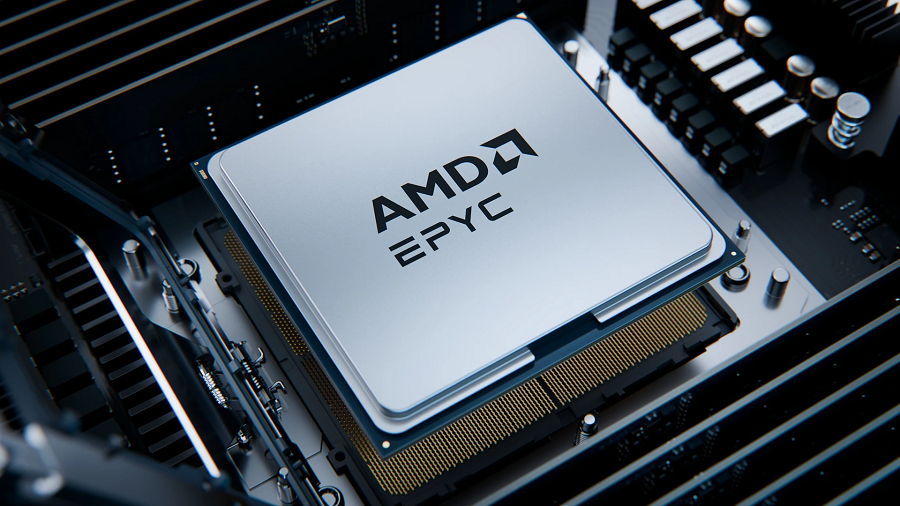
Chipmakers Are Fragmenting Silicon to Serve AI Agents
AMD's Epyc 6 split, Google's specialized TPUs, and a startup betting on optical chiplet links all point to one shift: general-purpose silicon is giving way to purpose-built, composable chips.
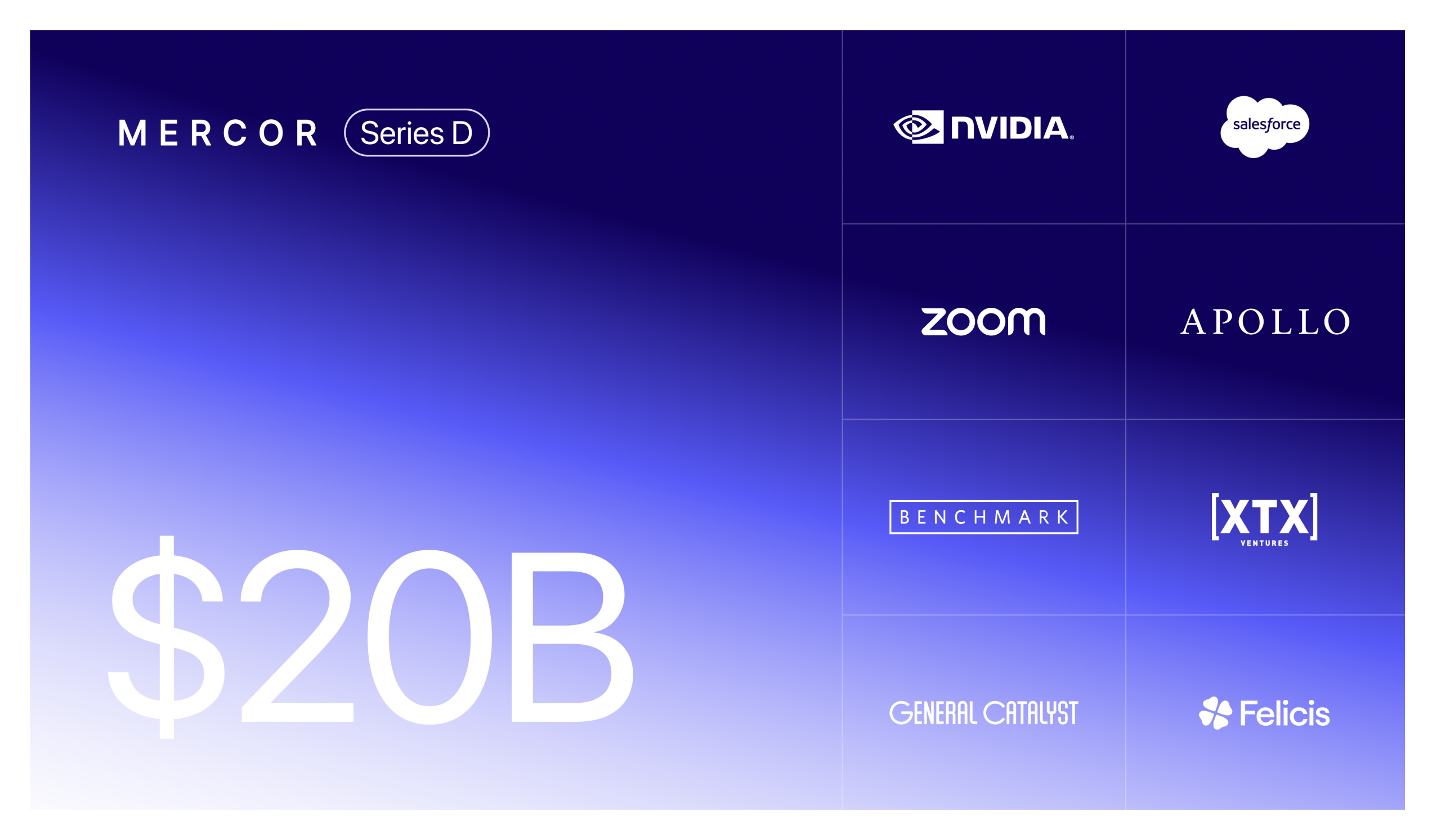
AI Capital Concentrates at the Top as Funding Records Fall
Three funding stories show the same pattern: capital is clustering around a handful of AI winners, and the unicorn class is being reshaped by it.

Startup Funding Is Rewarding Narrow, Boring Infrastructure
Three recent raises show investors favoring startups that solve unglamorous, specific infrastructure problems rather than broad consumer or enterprise platforms.

Patch Tuesday's Four-Digit Problem Is Now Routine
Microsoft's November 2026 Patch Tuesday fixed a record 1,235 flaws, and the same week brought an actively exploited Xen Orchestra bypass. Volume is outpacing the patch model.
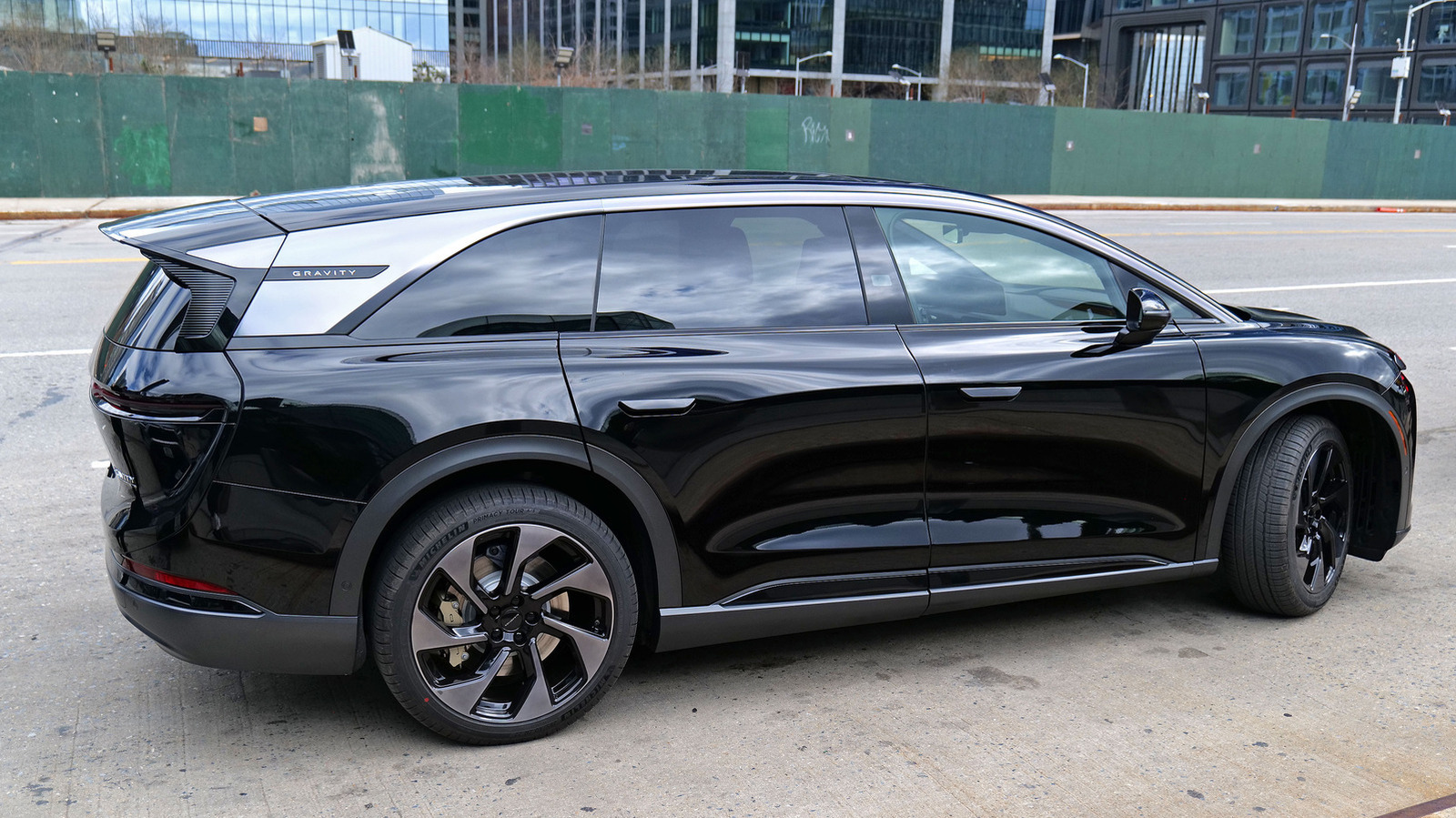
Big Tech's New Credibility Test Is Operational Truth
Three recent stories show that for US tech companies, raising money and beating estimates now depends on proving they know where their assets are and what they are worth.

Wearables Depend on Software Promises Nobody Enforces
Three recent stories share one thread: what a smartwatch can do is set by software commitments that outlast the hardware sale, and US buyers have little recourse when those commitments quietly shrink.
Stolen Credentials Turn Trusted Cloud Access Into the Attack Path
Three recent incidents show attackers skipping the exploit and simply logging in, and US cloud customers are absorbing the cost.

Cash-Out Era: Tech's New Liquidity Playbook
From Anthropic's founder payday to Oura's shelved IPO, the recent deal flow shows tech's biggest players prizing certain cash over public-market ambition.
Processors Are Now Being Marketed by Workload, Not Spec
Across quantum, x86 and Arm-on-Windows announcements, chipmakers are defining processors by the AI workloads they claim to serve, and the labels are outpacing the silicon.
Chipmakers Are Fragmenting Silicon to Serve AI Agents
AMD's Epyc 6 split, Google's specialized TPUs, and a startup betting on optical chiplet links all point to one shift: general-purpose silicon is giving way to purpose-built, composable chips.
AI Capital Concentrates at the Top as Funding Records Fall
Three funding stories show the same pattern: capital is clustering around a handful of AI winners, and the unicorn class is being reshaped by it.
Startup Funding Is Rewarding Narrow, Boring Infrastructure
Three recent raises show investors favoring startups that solve unglamorous, specific infrastructure problems rather than broad consumer or enterprise platforms.
Patch Tuesday's Four-Digit Problem Is Now Routine
Microsoft's November 2026 Patch Tuesday fixed a record 1,235 flaws, and the same week brought an actively exploited Xen Orchestra bypass. Volume is outpacing the patch model.
Big Tech's New Credibility Test Is Operational Truth
Three recent stories show that for US tech companies, raising money and beating estimates now depends on proving they know where their assets are and what they are worth.
Wearables Depend on Software Promises Nobody Enforces
Three recent stories share one thread: what a smartwatch can do is set by software commitments that outlast the hardware sale, and US buyers have little recourse when those commitments quietly shrink.
Stolen Credentials Turn Trusted Cloud Access Into the Attack Path
Three recent incidents show attackers skipping the exploit and simply logging in, and US cloud customers are absorbing the cost.
Cash-Out Era: Tech's New Liquidity Playbook
From Anthropic's founder payday to Oura's shelved IPO, the recent deal flow shows tech's biggest players prizing certain cash over public-market ambition.