The processor market is shifting from selling specifications to selling workloads. IBM is naming a quantum processor after the computations it will handle, AMD is disputing a competitor's "agentic CPU" label while launching its own silicon, and a Linux vendor is building AI agents into an operating system aimed at Qualcomm Snapdragon PCs. The common thread is that the workload label now arrives before the hardware does, and buyers are being asked to trust the branding ahead of the benchmarks.
The label moves faster than the chip
IBM's Quantum Nighthawk r3, announced by IBM Corp. and reported by SiliconANGLE, is described as designed to tackle larger, more complex computations at high speed while maintaining quality, and as built to execute 10,000 operations. The same report notes that IBM plans in 2027 to link two r3 processors into a single system capable of running up to 10,000 quantum operations, scaling beyond that figure. That is a roadmap statement about a future linked system attached to a processor announcement made in the present. The operation count is the headline; the configuration that delivers it is scheduled for a later year.
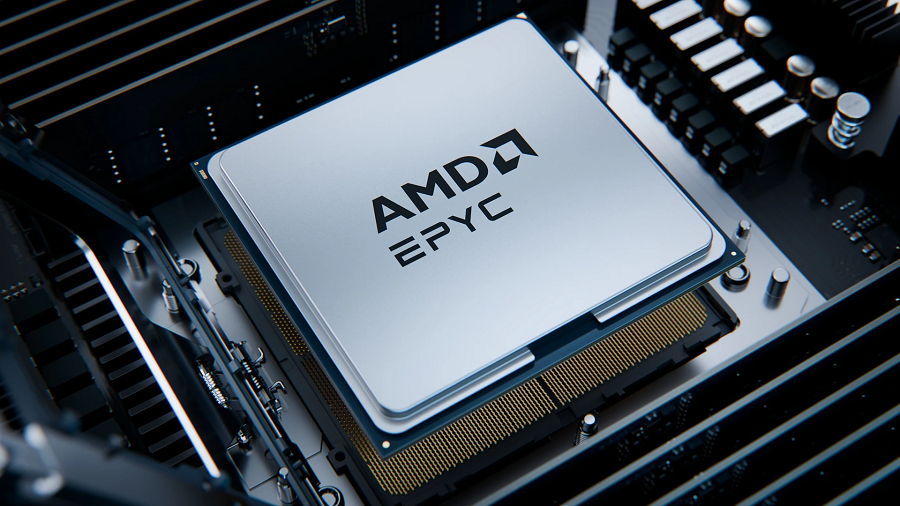
This is not a criticism of IBM's engineering. It is a description of how processor announcements now work. The workload target is stated first because it is what customers and investors respond to, and the schedule for the full system follows in the same release. On the CPU side of the same pattern, AMD's vice president and chief Zen architect pushed back on claims that Nvidia and Arm made CPUs for agentic AI, according to Tom's Hardware, with the launch of Zen 6 EPYC Venice CPUs as the counterpoint. The quoted line, that AMD did not magically know four years ago that agentic was going to be a thing, is an argument about labeling rather than about transistors. AMD is saying that a design decision made years before a workload became fashionable cannot be retroactively credited to it.
Agentic AI becomes a processor category
What makes the AMD dispute notable is that it concedes the frame. The argument is not that agentic AI is irrelevant to CPU design; it is about who gets to claim the label and when. Once a term like agentic CPU enters the language of processor launches, every vendor has to position against it, either by claiming it or by disputing a rival's claim to it. The workload becomes the unit of competition.
That has consequences for how US buyers evaluate hardware. A processor marketed against a workload invites a question the buyer cannot yet answer: which workloads, at what scale, and measured how? Neither the AMD item nor the Nvidia and Arm claims in it come with benchmark figures in the material available. The dispute is conducted at the level of naming rights. For enterprise customers planning x86 deployments, that means the specification sheet is no longer the primary document. The vendor's story about what the chip is for has become the pitch, and validating that story requires independent testing that the announcement cycle does not provide.
The software layer arrives first
The third story complicates the picture in a useful way. KORA Systems Inc., a desktop software company, unveiled a Linux-based operating system that builds artificial intelligence models and agents into the system itself, according to SiliconANGLE. Qualcomm Technologies Inc. worked with the company for close to a year to bring it to Snapdragon-powered PCs. The launch, as reported, goes after what KORA sees as a ceiling on AI.