The GPU has stopped being the unit of competition. Microsoft restricting GPU APIs in Edge, liquid-cooling sidecars bolted onto data centers not built for AI racks, and a three-card V100 homelab running a large model are not three separate stories. They are three vantage points on the same shift: the defining work in AI hardware is now everything that surrounds the accelerator, whether that is the software exposing it, the cooling and deployment wrapping it, or the secondhand market stretching its useful life. The chip alone no longer tells you what a system can do or who can run it.
Power Without the Software Stack Is a Liability
Microsoft's Edge Lockdown Mode, as BleepingComputer reported, disables the WebGL, WebGL2, and WebGPU APIs to reduce attack surface. On its face this is a browser security story, but it lands squarely on the GPU beat. WebGPU is the path by which the GPU inside a PC, laptop, or phone becomes reachable to web-delivered workloads, including the client-side inference that has become a selling point for AI hardware. Disabling it is a reminder that the accelerator's usefulness is granted by the software layer above it, and that layer can be switched off in the name of security.
That has a direct consequence for US hardware vendors and the buyers of their products. The same silicon shipped with AI marketing attached can be delivered in a state where those APIs are unavailable by policy. An enterprise that standardized on GPU-capable machines expecting browser-based acceleration cannot assume the capability is present in a hardened configuration. For US consumers, the practical effect is that some of the AI capability they paid for may sit behind a toggle that security administrators control. The hardware story and the policy story are now the same story, and the policy is often decided by a software vendor rather than the chip supplier.
The Rack Became the Product
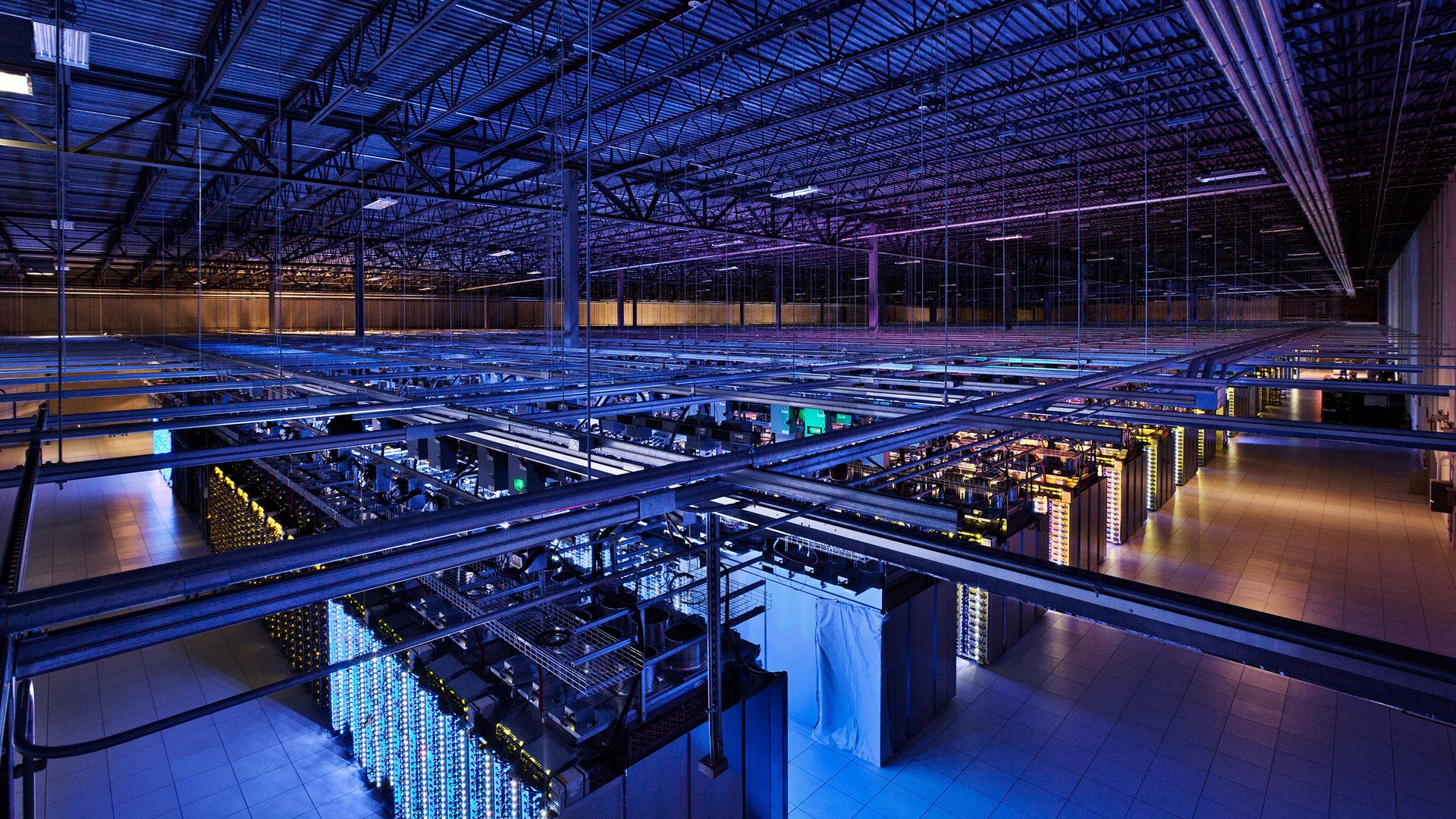
SiliconANGLE's report on liquid-cooling sidecars makes the same point from the facilities side. Data centers built before AI racks existed are having cooling equipment bolted onto them, and deployment services are becoming the real battleground. With GPU supply tight and refresh cycles accelerating, buyers are judging suppliers on how quickly an AI factory actually goes live, not on how fast a server ships. Server makers that once competed on time to market are competing on integration.
This reframes what US enterprises are buying. A GPU order is a commitment to a thermal envelope, a power budget, and a retrofit schedule that the building may not have been designed for. The supplier that can deliver the whole path from dock to live workload wins the deal; the supplier that ships a box and leaves the rest to the customer does not. For the US market, that raises the value of deployment capability relative to component specification, and it puts a premium on vendors with the field engineering to make an existing facility work. It also means refresh cycles accelerate not only because newer accelerators arrive, but because the surrounding infrastructure has to be redone to accept them.
The Secondhand Floor Rises
Tom's Hardware's report on a homelab builder running Qwen 3.6 35B at about 100 tokens per second on three used Nvidia Tesla V100 GPUs in a $1,042 build shows the same pattern from below. The V100 is not current-generation hardware, and the phrase used in the coverage is e-waste. Yet three of them, assembled with attention to the system around them, deliver a usable inference result at modest cost. The interesting variable is not the individual card. It is the combination: enough memory across the cards, the right software to serve the model, and a builder willing to do the integration work.