The laptop and desktop market is dividing into two tiers, and the middle is thinning out. Recent product news shows the same pattern from three directions: Apple now offers more MacBook models than ever, Valve has removed a waitlist from one Steam Machine configuration while warning of future supply pressure from memory costs, and MSI has shipped a Windows-on-Arm mini PC priced at $7,499. In each case, the buyer is being pushed toward either the very affordable option or the very expensive one, with the traditional mid-range slot carrying less of the weight.
More Models, More Price Points
Wired's 2026 MacBook buying guide makes the first part of the pattern explicit. The introduction of the OLED MacBook Pro and the MacBook Neo means there are now more Apple laptops than ever to choose from. That matters beyond Apple's own lineup. More SKUs at more price points is how a manufacturer keeps a broad customer base engaged while component costs rise: rather than defending a single mainstream machine, it offers a ladder and lets buyers climb it. For US consumers this is good news in the sense that there is likely a MacBook for most budgets, and less good in the sense that the decision of which one to buy has never been more complicated.
That complexity is itself a market signal. When a vendor expands a product family this quickly, it usually means the vendor believes it can hold margin across tiers rather than compete on a single price. Apple is not alone in that belief, but its approach is the cleanest example: differentiate on display technology and model name rather than on the essential function of the machine.
The Waitlist Comes Off, the Supply Warning Goes On
The Verge reports that Valve has announced updates about Steam Machine availability. The good news is that buyers can now purchase a 512GB Steam Machine without getting on a waitlist. Initially, interested buyers had to get on Valve's waitlist, according to The Verge. The potential bad news is future supply, which the report ties to RAM prices, the shortage widely described as RAMaggedon.
The Steam Machine is not a laptop or a desktop PC in the traditional sense, but it belongs on this beat because it competes for the same living-room and desk space as a gaming PC, and it is priced against them. The sequence here is instructive. Valve clears the queue for a specific configuration, which suggests the company has a handle on the current inventory situation. At the same time, it flags that the memory market could constrain what comes next. Removing a waitlist is a sign of supply catching up; warning about RAM is a sign that supply may not stay caught up for long.
For US buyers, that combination encourages the same behavior the Apple lineup encourages: decide quickly and at a specific tier, because availability at the tier you want is not guaranteed. Memory costs are a pass-through input, and when they are volatile, the least expensive configurations are the ones most exposed.
$7,499 Is a Number That Means Something
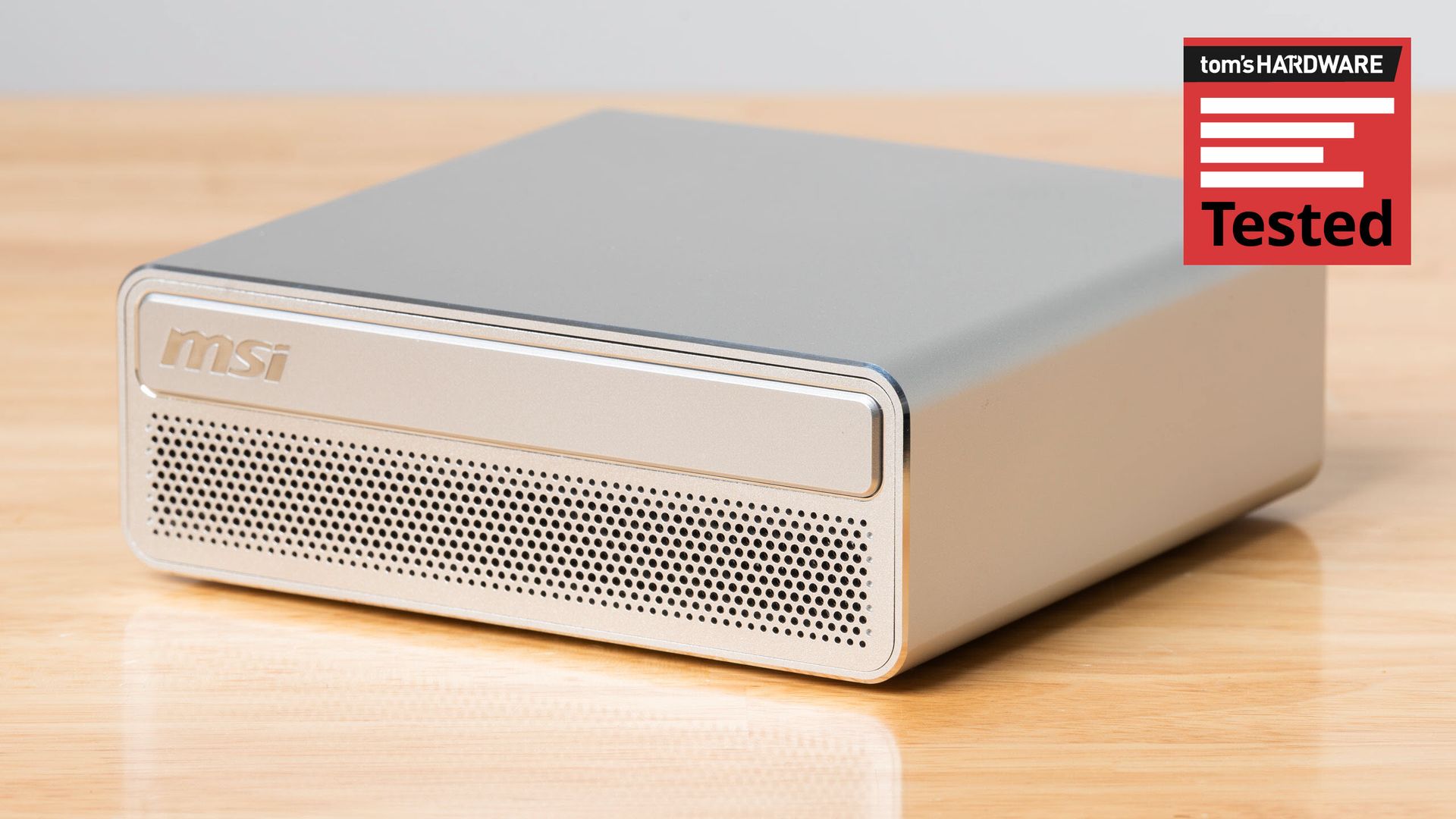
Tom's Hardware's review of the MSI EdgeMesa N AI+ is the clearest data point on the upper tier. The machine brings Nvidia RTX Spark N1X power to a Windows-on-Arm mini PC with 128GB of unified memory, strong local AI performance, and the ability to game on the side. Its price is $7,499, and the review's central criticism is that this is not that much cheaper than more versatile DGX Spark systems.
This is where the two-tier story becomes concrete. A mini PC at $7,499 is not competing with mainstream desktops at all. It is competing with workstation-class machines, and its value proposition rests on unified memory and local AI capability rather than on general-purpose computing. The trade-offs the review identifies are the same trade-offs that define the tier: you pay a premium for a specific capability, and you accept limits elsewhere.