The smartphone conversation has moved away from the device itself. The recent stories logged on this beat are not about faster chips or better cameras; they are about a foldable that has become a daily companion, a game that treats a phone as an object inside its world, and nostalgia for the charging ports that USB-C replaced. The common thread is that the phone's significance now comes from software, habit and memory rather than from hardware spectacle.
Hardware Recedes Into the Background
The clearest evidence comes from CNET's one-month assessment of the iPhone Duo, Apple's foldable. That review is framed around making peace with shortcomings, resigning oneself to some, and finding a lot to admire. What it describes is not a device that overwhelms through specification but one that has been absorbed into a life. The foldable has become a daily companion, and the evaluation is about accommodation and affection rather than novelty.
That is a meaningful shift for the US market. When a new form factor arrives, the early coverage tends to be about the mechanism, the crease, the hinge, the weight. A month in, the question becomes whether the object disappears into routine. CNET's answer is that it mostly has, with reservations. For Apple, that is both a validation and a warning: the hardware questions persist, but they are no longer the story. The story is whether the device earns a place in the day.
The Phone as a World Inside a World
The Verge's look at Grand Theft Auto VI makes a related point from a different direction. The game tries to simulate real life, and life in 2026 would not be complete without a smartphone. So the phone is not merely a menu or a map screen; it is an object that exists within the game's world. Players may try to escape into a fantasy, but the fantasy includes the phone.
That is a cultural admission as much as a design choice. A simulation that omitted the smartphone would feel false. For US game publishers, the implication is that the phone has become the default interface for modern life, so much so that its absence in fiction reads as error and its presence reads as realism. The smartphone is no longer a gadget you notice; it is the lens through which other experiences are mediated.
The Port Wars Are Now Memory
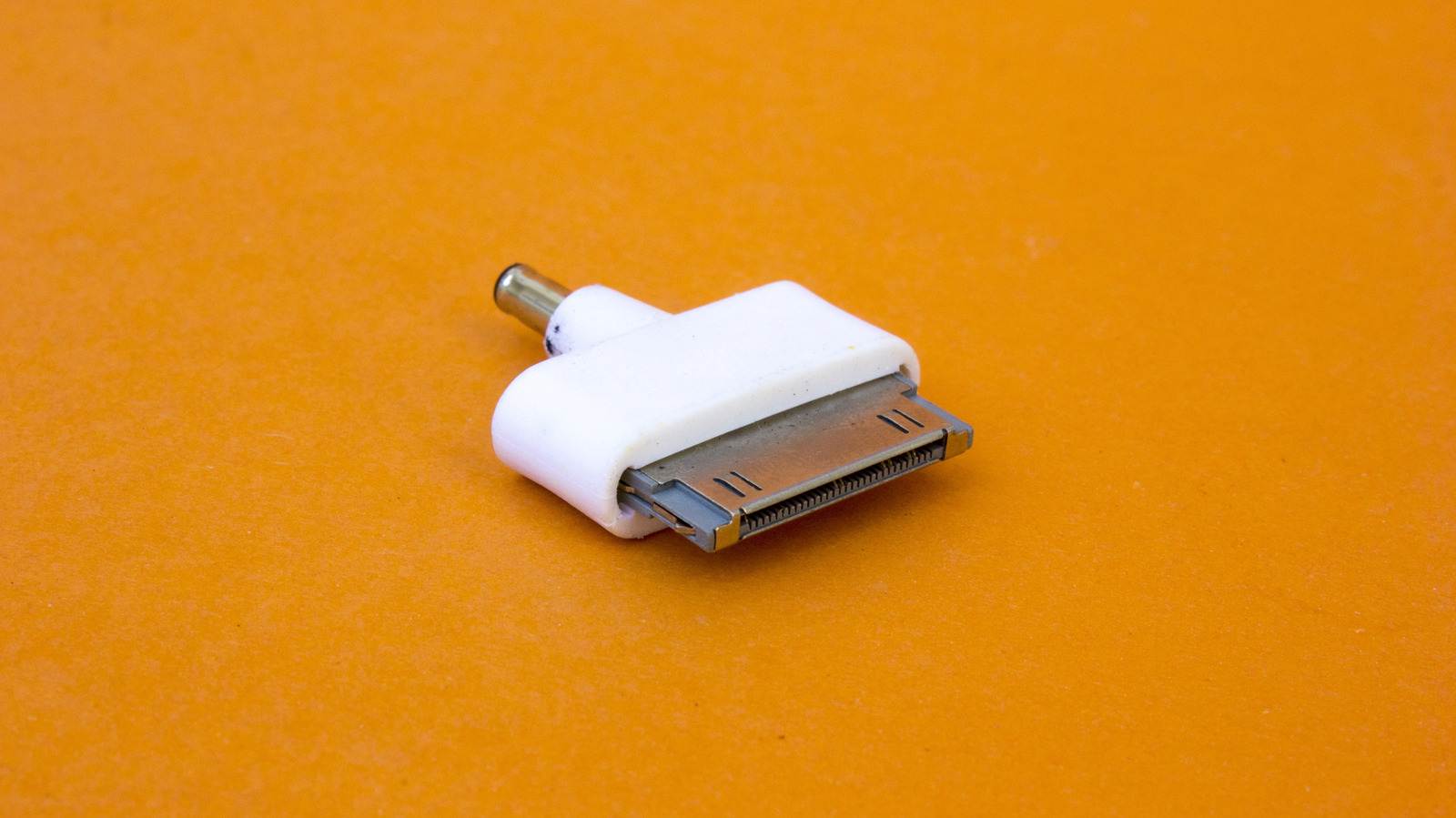
Engadget's collection of old-school charging ports that phones had before USB-C sits at first glance like pure nostalgia. But it supports the same argument. The piece notes that USB-C is the standard today, and that before Micro-USB and Mini-USB there was a long line of charging ports many people have forgotten. The interest lies in the forgetting.