The chip economy is being pulled back toward the physical. In three recent stories on this beat, the binding constraint is no longer the model or the marketing - it is where the silicon physically sits, how it is cooled, and who can lay hands on it. That shift has consequences for US chipmakers, US enterprises buying compute, and the lenders financing the buildout.
Collateral Has to Stay Reachable
The most direct expression of this comes from Ars Technica, which reports that SpaceX bondholders want the company's valuable chip collateral kept on Earth and within reach. The logic is not complicated. Lenders who accept chips as security need to be able to seize and resell them if a borrower falters. Collateral that is orbiting the planet - or committed to a launch manifest - is collateral a bondholder cannot inspect, repossess, or liquidate on any useful timeline.
The detail matters beyond SpaceX. Chips have become valuable enough, and scarce enough, to function as loan security at all. That is a change in the financial standing of semiconductor inventory. But the story also exposes the limit of that standing: a chip is only as good as collateral as it is accessible. Once silicon is bolted into a rocket or a remote facility, its value to a creditor degrades. The financing side of the AI buildout is quietly imposing a locational discipline on hardware that the hardware itself does not care about.
For US chip suppliers, this is a demand-side signal. Buyers financing purchases against the chips themselves will face pressure to keep assets in jurisdictions and facilities where lenders can reach them. That favors domestic and terrestrial deployment over exotic ones.
The Rack Is the Real Battleground
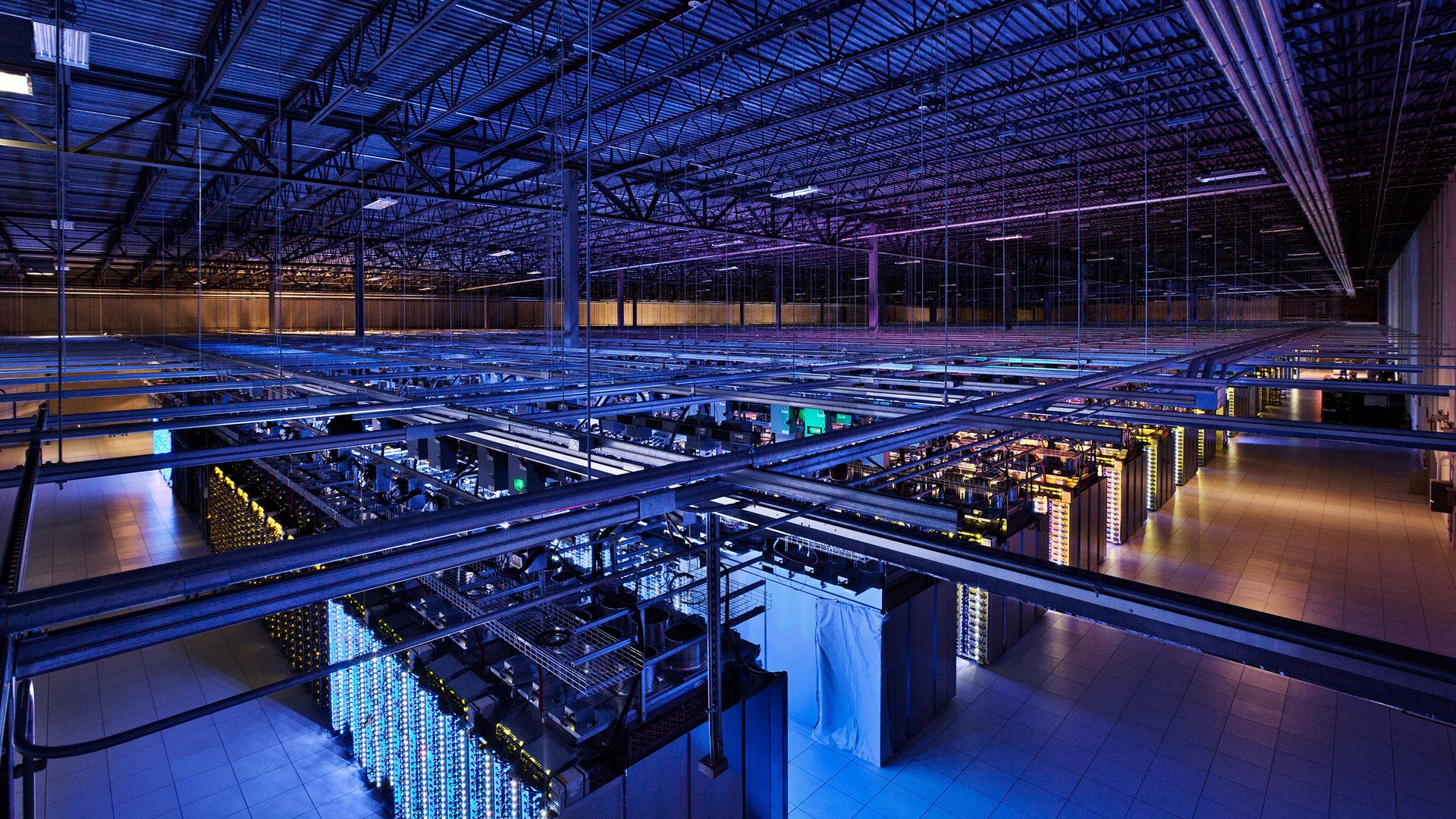
SiliconANGLE reports on a complementary constraint: AI inference servers are shrinking to fit the air-cooled racks enterprises already run. The story's framing is precise. Power-efficient inference chips are becoming the entry price for enterprises that want to run AI on hardware they own. As AI shifts from building models to running them every day, costly GPU racks and the liquid cooling they demand keep many companies renting compute instead, and that gap is opening room for challengers.
This is the most consequential thread on the beat. The training era rewarded raw throughput and tolerated enormous power and cooling footprints because the work was episodic and concentrated among a few buyers. The inference era rewards efficiency, density, and compatibility with infrastructure that already exists. An enterprise that has spent years building air-cooled racks does not want to rebuild a data hall to participate in AI. A chip vendor that requires that rebuild is selling to a much smaller market.
The opening for challengers is therefore structural, not promotional. Incumbents optimized for the training workload and the customers who could afford to build around it. The far larger population of US enterprises - the ones currently renting compute - has different requirements: modest power envelopes, standard rack dimensions, and no liquid cooling loop. Whoever meets those requirements gets the volume.
Renting Versus Owning Is a Chip Question
The SiliconANGLE story also reframes a familiar debate. Enterprises renting compute is often described as a cloud-strategy question. It is increasingly a hardware question. Companies rent because the hardware they would need to own does not fit their buildings. Change the hardware's power and cooling profile and the rent-versus-own calculation changes with it.