The hardware stories crossing the desk this week share an unglamorous common thread: value now sits in keeping devices and networks running rather than in any single product's specifications. A phone battery that collapses without warning, a severed undersea cable cutting off a country's internet, chargers and power banks sold as travel essentials, and coverage of a supercomputing show all describe the same economy. It is an economy of uptime, power continuity and connectivity, and it is where US hardware buyers and sellers increasingly feel both the gains and the pain.
Failure Is the Product's Real Spec Sheet
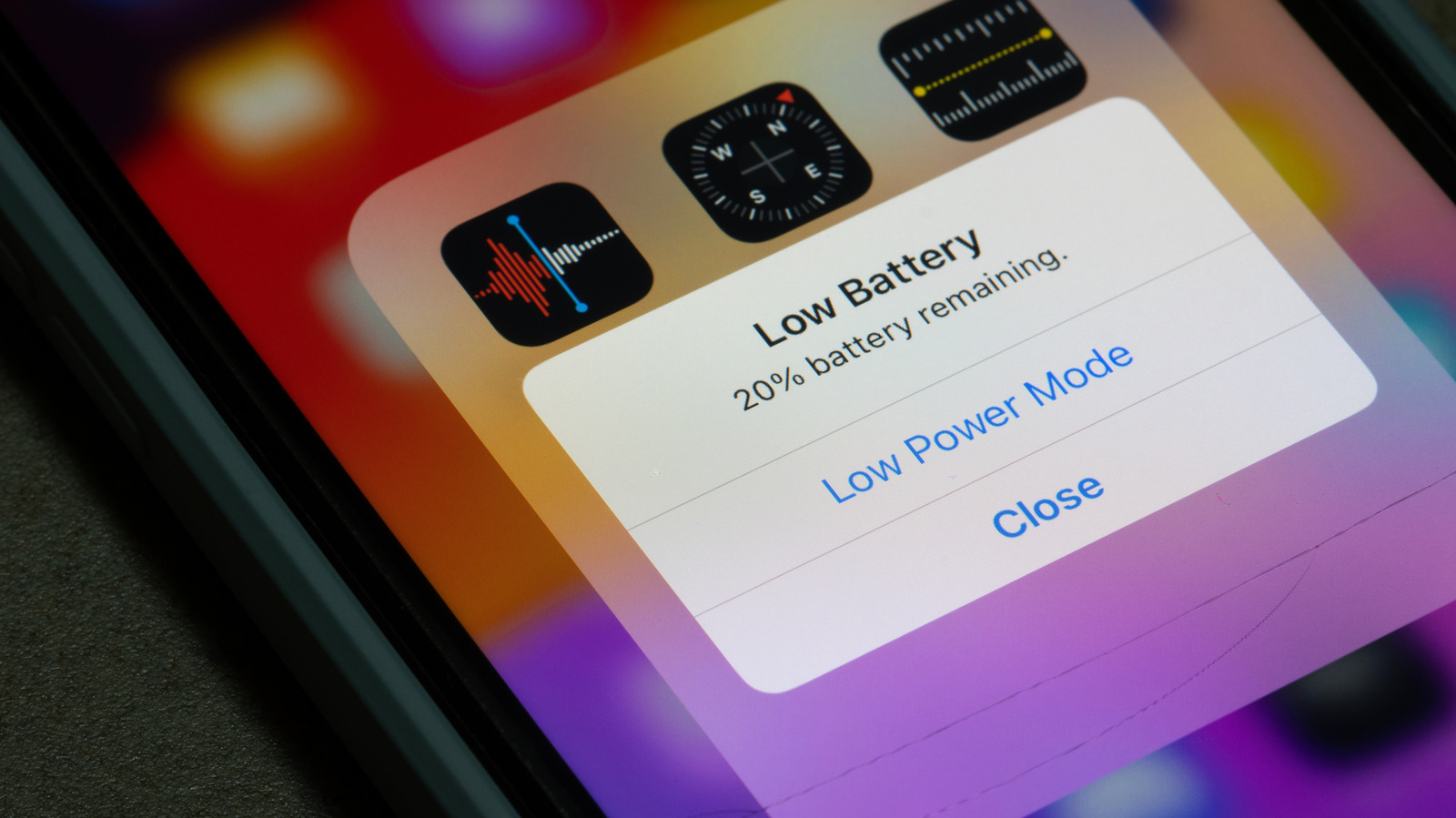
Engadget's piece on sudden phone battery drops is framed as a troubleshooting guide, but its premise is more revealing than its tips. A modern phone does not degrade gradually; it jumps from green to red, and the user is left diagnosing a system whose power behavior they cannot see or predict. That is a design outcome as much as a chemistry one. Battery health, charging behavior and power management have become software-mediated features, which means the failure modes are too.
For US consumers, this is the everyday face of the uptime economy. The device is not judged on benchmarks but on whether it survives a day. For US hardware companies, the lesson is that battery management is now a brand attribute. A phone that dies unpredictably generates more frustration than one that is merely slow, because the failure is sudden and total. Firms that treat power behavior as an engineering detail rather than a customer-facing promise are effectively outsourcing their reputation to whoever writes the diagnostics.
The Internet's Physical Layer Keeps Interrupting
Tom's Hardware reported that Pakistan's telecommunications authority confirmed an undersea network cable fault was behind internet connectivity issues in the country, that Transworld Associates is investigating the cause and a repair timeline, and that traffic has been rerouted in the interim. The details are regional, but the pattern is global and familiar. Undersea cables are the physical layer of everything the US technology industry sells as cloud, streaming and software, and they fail on their own schedule.
Rerouting is the quiet hero of that story. The internet did not stop; it bent. That resilience is engineered, expensive and largely invisible until it is needed. It also has a commercial dimension US firms should recognize. When a cable fault forces traffic onto alternate paths, latency, capacity and cost all shift, and the effects do not respect borders. US cloud providers, content platforms and enterprises with users in affected regions absorb those shifts as degraded experience or higher transit costs. The rerouting capability that keeps a country online is the same capability that keeps a US company's international service level intact.
Accessories Are Where Continuity Gets Sold
Tom's Hardware's gift guide for frequent travelers, built around USB wall chargers and power banks, looks like seasonal filler. It is actually the consumer end of the same thread. Travelers buy chargers and batteries because they cannot rely on outlets being where they need them, or on a single device holding its charge. The accessory market exists to patch the gaps between the power and connectivity that infrastructure promises and what people actually encounter.
That is a meaningful market signal for US hardware companies. The margin in accessories comes from solving continuity problems: enough ports, enough capacity, enough compatibility. It also tells us something about buyer psychology. Consumers who have been burned by a phone that dropped from green to red, or who have landed in a hotel with one usable outlet, will pay for redundancy. The gift guide is not about gadgets; it is about insurance against interruption.