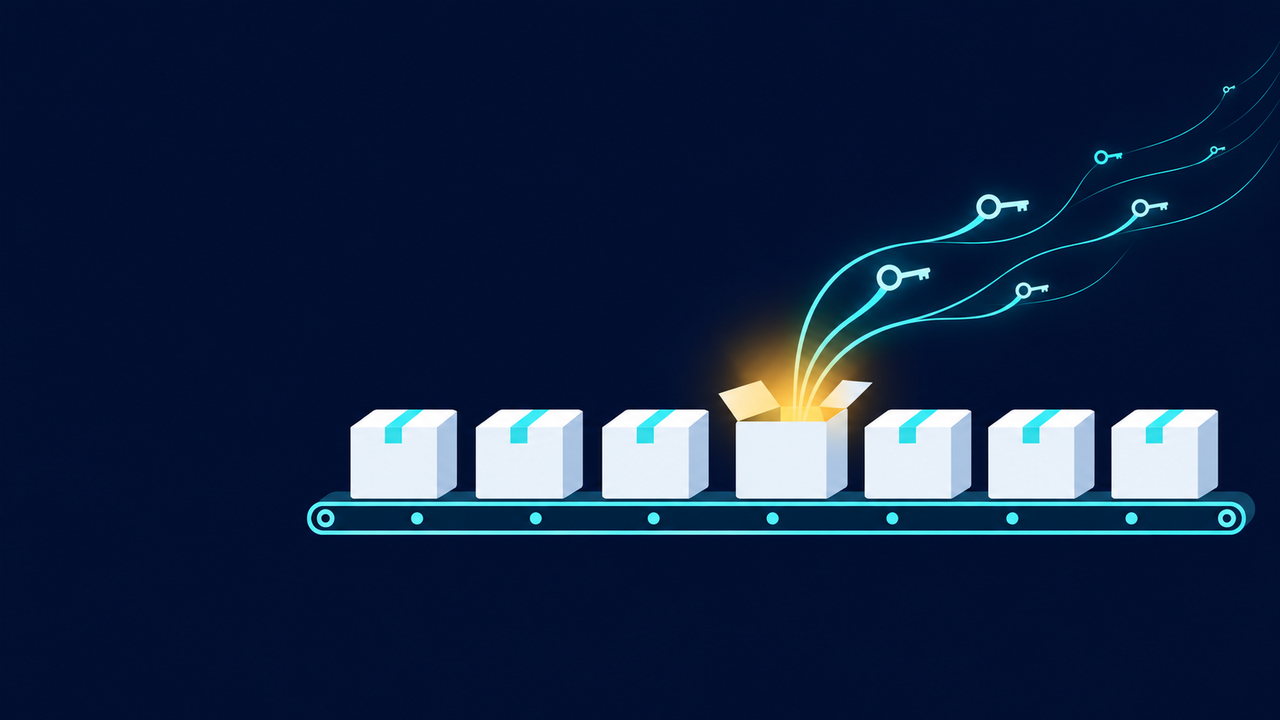
The Developer Supply Chain Is Now the Primary Attack Surface

Photo: SiliconANGLE

Article

The Developer Supply Chain Is Now the Primary Attack Surface

SuryaNovember 19, 20264 min read

Three recent stories show the same shift: the tools developers trust, install, and automate are becoming the easiest path to compromise.

The common thread across these three stories is that the developer toolchain itself has become the target. Attacks and failures no longer arrive primarily through the applications companies ship; they arrive through the packages, runtimes, and AI assistants developers use to build them. That shift changes where risk lives and who is responsible for it.

Trusted Accounts, Untrusted Output

The Microsoft Agent Framework incident, as reported by SiliconANGLE, is the clearest illustration. Malicious versions 1.26.1 and 1.26.2 of Microsoft's official Python package were published to the Python Package Index through Microsoft's own publisher account. The attacker did not need to spoof a name or trick a maintainer into merging a bad pull request. The pipeline that was supposed to establish provenance became the delivery mechanism. Wiz reportedly tied the compromise to a release pipeline certificate.

For developers, this undermines the one signal they have been told to rely on. Signed packages and verified publishers were meant to answer the question of whether a download is genuine. Here, the answer was yes, and the payload was still hostile. The malicious versions were designed to steal cloud and developer credentials, which are precisely the keys that unlock everything downstream: source repositories, CI systems, cloud accounts. A single compromised release can travel into thousands of build pipelines before anyone notices, and the credentials it harvests extend the attacker's reach well beyond the first victim.

The Runtime Is a Shared Dependency Too

The Java4Shell flaw in OpenJDK, reported by BleepingComputer, points at the same structural problem from a different angle. A critical vulnerability that permits unauthenticated remote code execution affects major Java applications, including Jenkins, Atlassian Jira, Confluence, and Keycloak. These are not fringe tools. They are the systems teams use to build, track, and authenticate their work.

The detail worth pausing on is the concentration. One flaw in a widely shared open-source runtime reaches a set of enterprise applications that many organizations run simultaneously. A developer is unlikely to think of the JDK as an attack surface, but it sits beneath everything. When a common foundation is compromised, the blast radius is determined by adoption, not by how carefully any single team configured its own application. The same logic applies to packages and, increasingly, to the AI coding assistants now being wired into development workflows.

Automation Inherits Every Weakness Above It

Snapchat's announcement, as TechCrunch reported, that Lens creators can describe what they want in plain language and have an AI assistant such as Claude Code or Cursor handle the process from start to finish is not a security story on its face. It is a workflow story. But it belongs in the same analysis because it shows where developer tooling is heading: toward assistants that take instruction and act, often with broad access to codebases, credentials, and deployment systems.


That direction compounds the first two problems. An assistant that can build and ship is an assistant that can consume a compromised package, invoke a vulnerable dependency, or act on credentials it can reach. The value of automating development work is real, and the adoption is happening regardless. The consequence is that the trust boundary around a codebase now includes every tool the assistant touches, and every account those tools authenticate with.

What This Means for US Companies

The practical implication for US technology companies is that security review has to move from the application layer to the build layer. The Microsoft package was distributed through an official channel, so procurement and vendor trust alone would not have caught it. The Java flaw lives in a shared runtime, so per-application hardening does not fully address it. The Snapchat example shows that the newest tools in the workflow are designed to act autonomously, which raises the stakes on what access they are granted.

For US consumers, the connection is indirect but direct enough. The credentials stolen from developer environments are the same ones that protect customer data, billing systems, and identity services. Jenkins, Jira, Confluence, and Keycloak are the plumbing behind products people use daily. When that plumbing is compromised, the effects surface later and elsewhere.

The Limits of Signing and Scanning

The uncomfortable lesson is that the controls developers have been encouraged to adopt are necessary but insufficient. Signing establishes who published a package; it does not establish that the publisher's pipeline was clean. Scanning catches known bad versions after they are identified; it does not prevent the first few hours of exposure. Neither addresses a runtime vulnerability that ships inside a legitimate application. The Microsoft case in particular suggests that pipeline integrity, including the certificates and processes behind releases, deserves the same scrutiny as the code itself.

What to Watch

Three things bear watching, all grounded in what has been reported. First, whether Microsoft discloses how the release pipeline certificate was obtained, since that detail determines whether the same technique works against other publishers. Second, how quickly patched versions of OpenJDK reach the affected enterprise applications, given that Jenkins, Jira, Confluence, and Keycloak are frequently deployed on their own schedules. Third, whether AI coding assistants like Claude Code and Cursor are given scoped credentials or broad access as they move from suggestion to execution. The pattern across all three is consistent: the developer toolchain is where the next incident will come from.

More on this beat: Software on TechManNews.

#developer security#software supply chain#open source#AI coding tools#enterprise software#vulnerability management

Newsletter

Get Tech News in Your Inbox

The latest AI, gadgets, software and startup stories from TechManNews, delivered every morning - free.