Apps Are Becoming Walled Gardens Again, Just Politer

Photo: The Verge

Article

Apps Are Becoming Walled Gardens Again, Just Politer

BhavyaNovember 20, 20264 min read

The through-line in this week's app news is control. Microsoft is retiring a beloved tasks app in favor of its own replacement, Meta is selling 3D movies into a headset storefront, and Google has built a synthetic internet to train Chrome's AI agents. Each is a company deciding that the value of its app lies less in what the app does than in how firmly it anchors users to a single company's stack. Apps and services are being redesigned as retention machinery, and the costs of that shift land hardest on US consumers who have already committed their data, purchases, and workflows to these platforms.

The Wunderlist Lesson Reversed

As The Verge reported, Microsoft acquired the to-do app Wunderlist in 2015 for a price rumored to be as high as $200 million, and fans feared the company would make it soulless or bundle it behind an enterprise subscription. Instead, by The Verge's account, Microsoft was a good steward. That is precisely what makes the current decision notable: good stewardship, in the end, did not protect the app. The replacement is Microsoft's own product, and the story frames it as the worse one.

That sequence is the template for a generation of app acquisitions. A large company buys a well-loved independent service, keeps it intact long enough to inherit its users and its design sensibility, then migrates those users to a first-party product that serves the parent's roadmap rather than the original audience's preferences. The user's affection for the app was never the asset being acquired. The user was. For US consumers, the practical consequence is that no amount of loyalty, reviews, or word of mouth protects a small app once it sits inside a larger portfolio. The exit is not a shutdown announcement; it is a quiet deprecation, and the task list migrates whether the user wants it to or not.

Meta Sells Content, Not Just Hardware

Meta's move is a cleaner example of the same logic. According to The Verge, Meta now offers more than 150 3D movies to buy or rent in its TV app on the Quest 3 and Quest 3S, with titles including Avatar, Spider-Man: Far From Home, Jurassic World Rebirth, Wicked: For Good, and a Billie Eilish film. The hardware is the wedge; the storefront is the business.

This matters for the US market because it converts a headset purchase into a media library with a switching cost attached. A consumer who has bought a shelf of 3D titles in Meta's app cannot easily carry that library to another device, and the rental terms belong to Meta rather than to the studio. The strategy also pulls Meta into direct competition with the subscription video services Americans already pay for, but on terms those services cannot match: only Meta controls the screen and the store on its own headset. The 150-plus catalog is not a content strategy so much as a lock-in strategy dressed as one, and it works precisely because the titles are familiar. Familiar films make an unfamiliar purchase feel safe.

Google Buys Safety With a Synthetic Internet

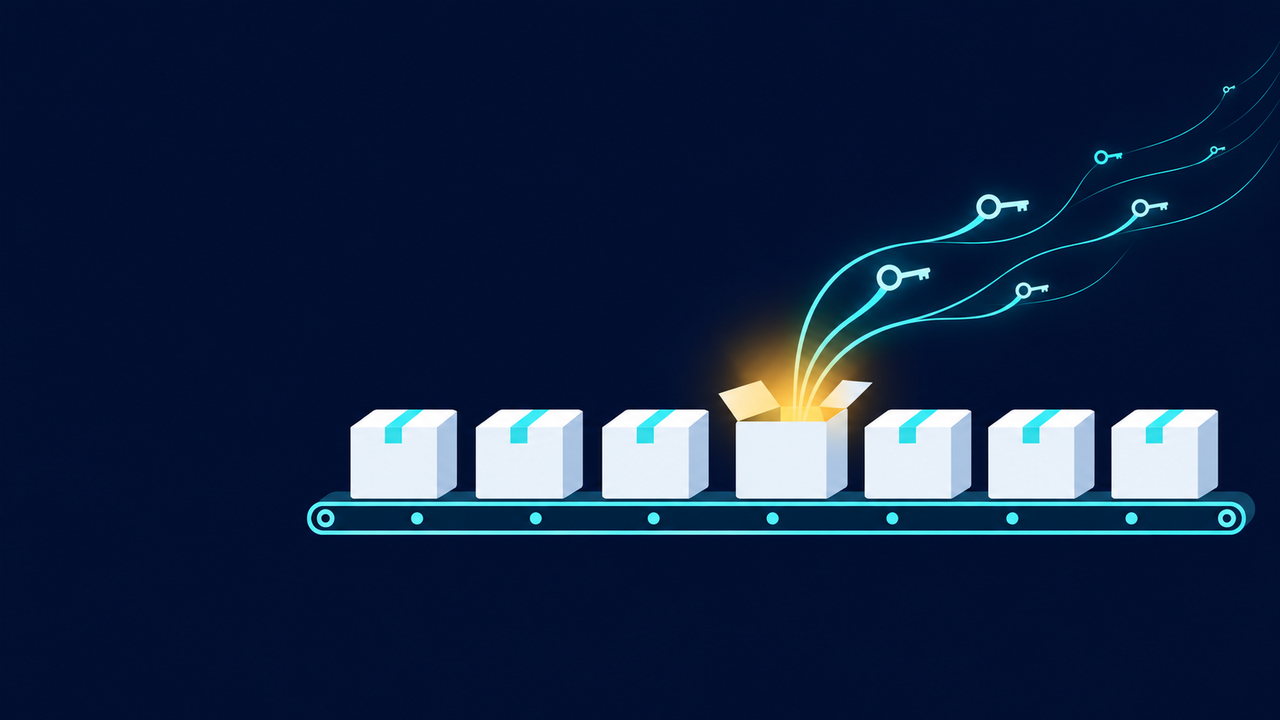
The Google story is less visible to consumers and more consequential for how apps will behave. As Wired reported, Google built a giant "mirror dimension" internet to test its Chrome AI agents, an alternate-universe internet that serves as a massive sandbox for training AI browsing agents without the risk of them going rogue.

On its face this is responsible engineering, and it should be described that way. But it also reveals where the app layer is heading. The next generation of services will not wait for a user to click; agents will act on the user's behalf across sites, forms, and checkouts. Before that can be shipped, the company has to build a fake internet to practice on, because the real one is too risky to learn in. Google can afford that sandbox. A small developer building an app on top of the open web cannot, which means the safety and testing burden of the agent era will consolidate inside the largest platforms. The apps Americans use will increasingly be mediated by agents that were trained in environments only a handful of companies can construct.

The Common Thread Is Ownership

Read together, the three stories describe a redistribution of ownership. Microsoft owns the task list regardless of which app displays it. Meta owns the movie library regardless of which studio made the film. Google owns the training environment in which browsing agents learn to act. In each case the app is the visible surface, and the durable asset sits one layer beneath it, where the user cannot reach.

For US consumers, this shows up as a series of small, undramatic losses: a favorite app that becomes a lesser one, a purchase that cannot travel, a browsing experience shaped by testing the user never sees. None of these is a scandal. Each is a transfer of leverage. For US technology companies, the pattern is a competitive advantage that compounds, because the firms with the largest installed bases can afford the migration costs, the content deals, and the sandboxes that smaller rivals cannot.

What to Watch

The concrete signals are in the material itself. Watch whether Microsoft offers Wunderlist users any path that preserves their existing workflows, or whether the migration is simply expected. Watch the size and terms of Meta's 3D catalog, particularly whether rentals and purchases remain tied to the Quest storefront. And watch how Google describes the scope of its mirror-dimension internet as Chrome agents move from testing toward the browser ordinary Americans use. The direction is consistent across all three: the app is becoming a doorway, and the companies are making sure they own the building.

More on this beat: Software on TechManNews.

#app ecosystems#platform lock-in#Microsoft#Meta#Google#consumer software

Newsletter

Get Tech News in Your Inbox

The latest AI, gadgets, software and startup stories from TechManNews, delivered every morning - free.