The laptop industry's most discussed moments right now are not about the things that decide whether a machine is worth buying. They are about an illuminated lid logo at Apple, a Surface that finally has serious graphics silicon but still trails Apple, and smart glasses pitched as a monitor replacement. The common thread is that PC makers are competing harder on spectacle and adjacent accessories than on the fundamentals that keep US buyers loyal.
The Logo Got the Applause
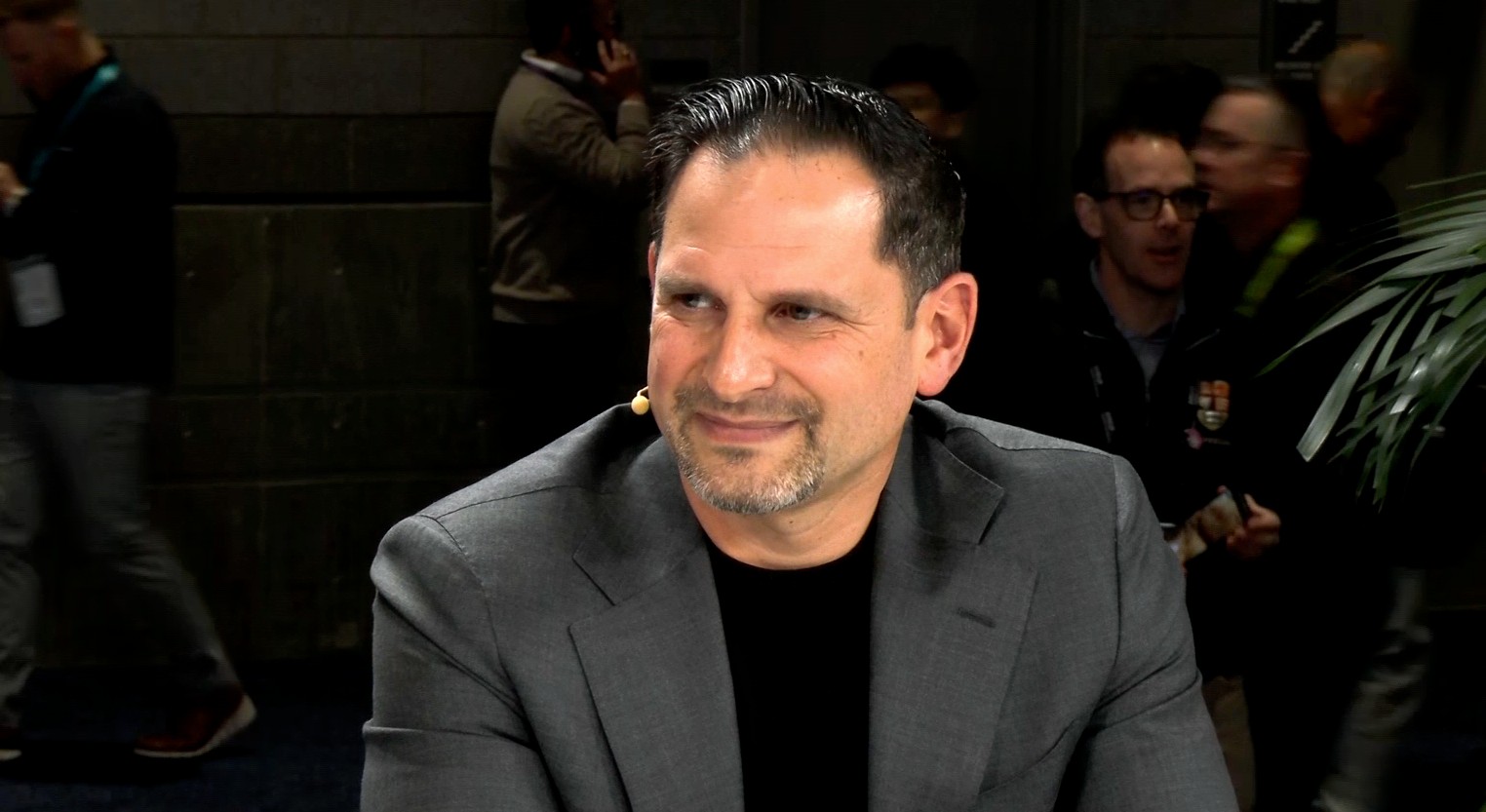
According to The Verge, when Apple CEO John Ternus announced the first touchscreen Mac last month, the loudest reaction in the room was not for the PROLED MacBook Pro's OLED touchscreen or its thinner and lighter chassis. It was for the illuminated lid logo, a throwback to the light-up logos on old MacBooks that Apple had phased out.
That is a telling data point for the US PC market. Apple shipped a genuinely new input paradigm, a touchscreen on a Mac, plus a display advance and a redesign, and the room responded to a cosmetic revival. Some of that is nostalgia, and some of it is the reality that Apple's core laptop experience has been good enough for long enough that audiences now grade it on personality. But it also reveals how thin the perceived differentiation has become at the top of the market. When the chassis, the screen and the input method all improve and the emotional hook is a glowing apple, the industry has a differentiation problem, not a feature problem.
For US buyers, the practical consequence is that launch coverage is a poor guide to what actually matters. The touchscreen Mac may well change how people work; the logo will not. The attention mismatch is worth remembering when the next flagship arrives with a lighting trick and a spec bump.
Microsoft Closes a Gap It Still Hasn't Closed
Engadget's review of the Surface Laptop Ultra describes the most powerful Surface yet, a beautiful flagship built around NVIDIA's RTX Spark, and still concludes that it lags behind Apple. That sentence is the whole competitive picture in miniature.
Microsoft has spent years trying to make the Surface line a credible premium alternative to the MacBook, and the Ultra appears to be its strongest attempt. Adding RTX Spark addresses the most persistent complaint about Surface hardware: that it looked premium but could not match the performance expectations that come with a premium price. Yet the review's verdict is that the gap to Apple remains.
For US technology companies, this matters beyond one product. Microsoft's Windows franchise depends on hardware partners producing machines that can hold their own against Apple in the premium segment where margins are best. If even Microsoft's own flagship, with NVIDIA silicon inside, is judged to trail Apple, the partners have an even harder case. For US consumers, the upshot is familiar: the Windows premium tier keeps improving and keeps being measured against a benchmark it has not yet cleared. Buyers who want the fastest premium laptop are still being told, in effect, to check the Mac first.
The Peripherals Are Doing the Strategic Work
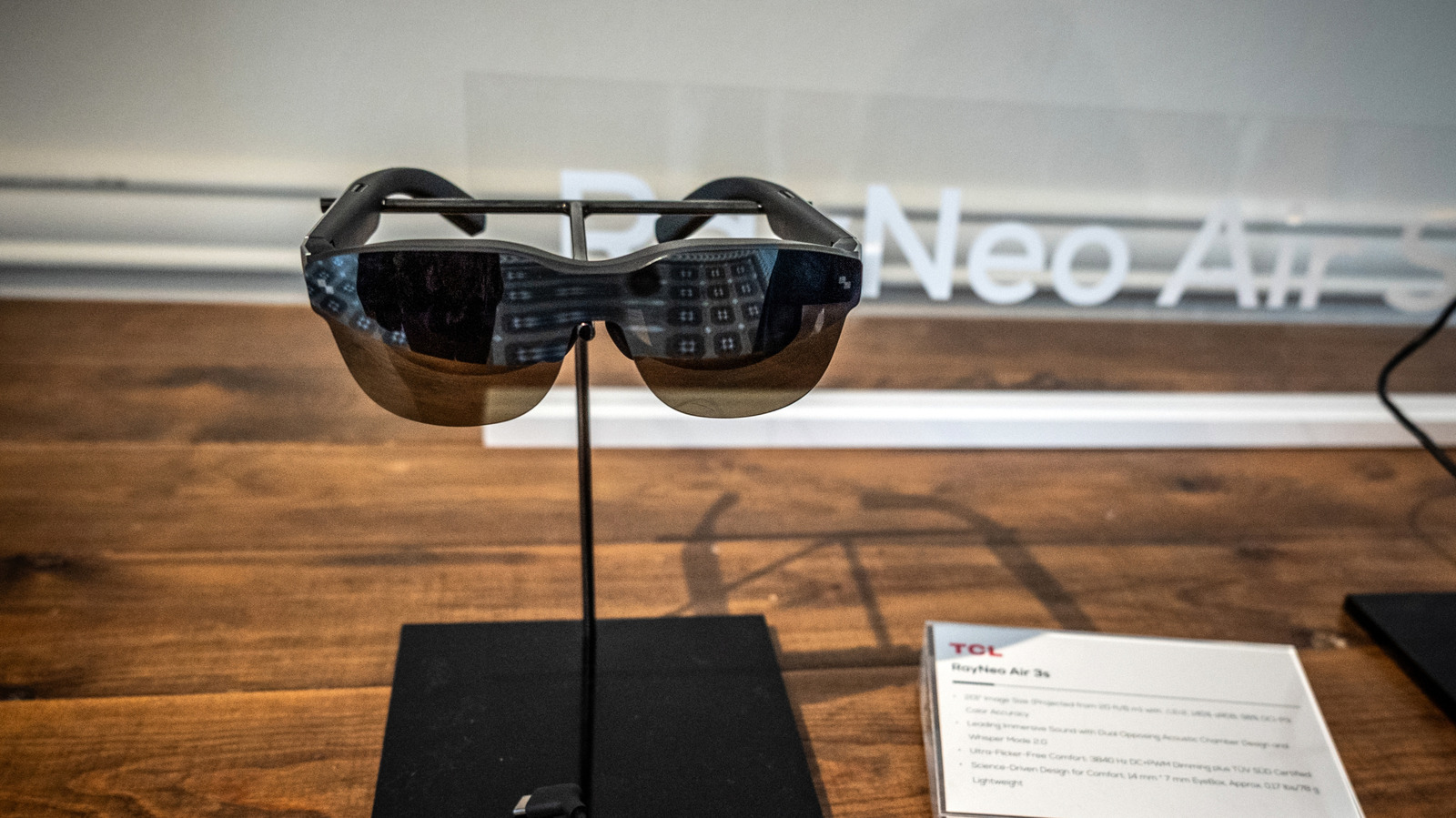
The third logged story, from Engadget, concerns smart glasses that could replace a desk monitor but, in the outlet's view, should not. On its face that is a wearable story. On the laptops and PCs beat it is something else: an attempt to relocate the screen, the single component that defines the desktop and laptop experience.