The AI hardware story is no longer primarily about who can buy the most GPUs. Across three recent items on this beat, the pressure has moved to the terms under which capacity gets financed and the operational work of keeping large clusters running once they are switched on. For US technology companies, the competitive edge is shifting from procurement toward balance-sheet discipline and rack-level management.
Financing Becomes the Constraint
Nvidia's clarification of when it will and will not keep financing neoclouds is the clearest signal. As TechCrunch reported, interim CEO Colette Kress explained that if Nvidia is backstopping a data center loan, it won't be on the hook unless the neocloud has independent financing and gets the facility built, with Nvidia gear installed.
That is a narrow set of conditions, and the narrowness is the point. Nvidia is willing to associate its balance sheet with AI capacity, but only where the operator has already demonstrated that someone else will carry the primary risk. The company is effectively drawing a line between demand it is confident in and demand it is underwriting.
For US hardware vendors, this changes the sales conversation. A GPU order backed by a credible facility and independent lenders looks different from one backed by optimism. Nvidia is signaling that the first kind of order is the kind it will help finance, and the second is not. Neoclouds that cannot assemble independent financing and deliver a built facility may find the backstop unavailable, which in turn affects what they can order. The practical effect is that hardware demand increasingly depends on project finance discipline rather than on appetite for compute alone.
The Rack Is Now the Unit of Sale
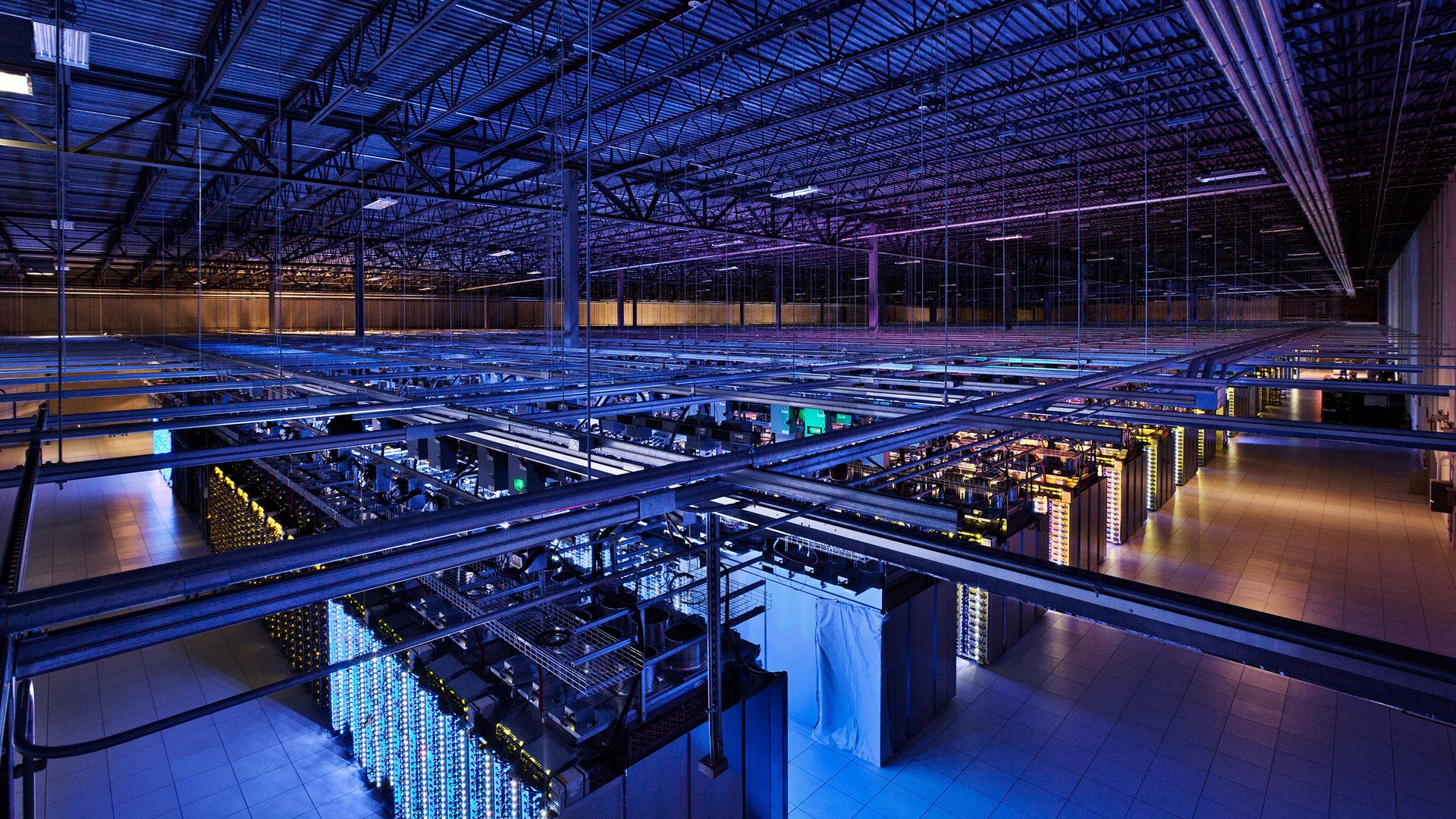
Dell's move to push cluster management from the server to the rack, as SiliconANGLE reported, addresses the other half of the same problem. The premise Dell is working from is that at supercomputing scale, the hard part is no longer buying hardware but keeping racks, switches, GPUs and cooling running once they are powered on.
That reframing matters for US infrastructure providers because it changes what customers are actually purchasing. A server is a component. A rack of accelerators with switches and cooling is an operating system for a workload, and it fails in ways that span components. When a cluster reaches supercomputing scale, the operational burden becomes the limiting factor, and vendors that can absorb that burden are selling something different from a box.
Dell has spent the past year pushing its AI Factory positioning, per SiliconANGLE, and the rack-level management message fits that. The implication for US buyers is that the differentiation among hardware vendors is migrating toward how much of the operating burden they will take on. Scripts, in Dell's framing, cannot run AI factories. That is a claim about where value sits in the stack, and it is aimed at customers who have discovered that assembling a cluster is easier than running one.
Operations and Finance Are the Same Problem
The two threads connect more tightly than they first appear. A facility that is not built does not need rack management, and a cluster that cannot be kept running does not service the debt taken on to build it. Nvidia's conditions tie its backstop to a facility being built with its gear installed; Dell's pitch addresses what happens after that installation. Both are responses to the same maturity problem.