The AI Buildout Hits the Silicon and the Supply Chain

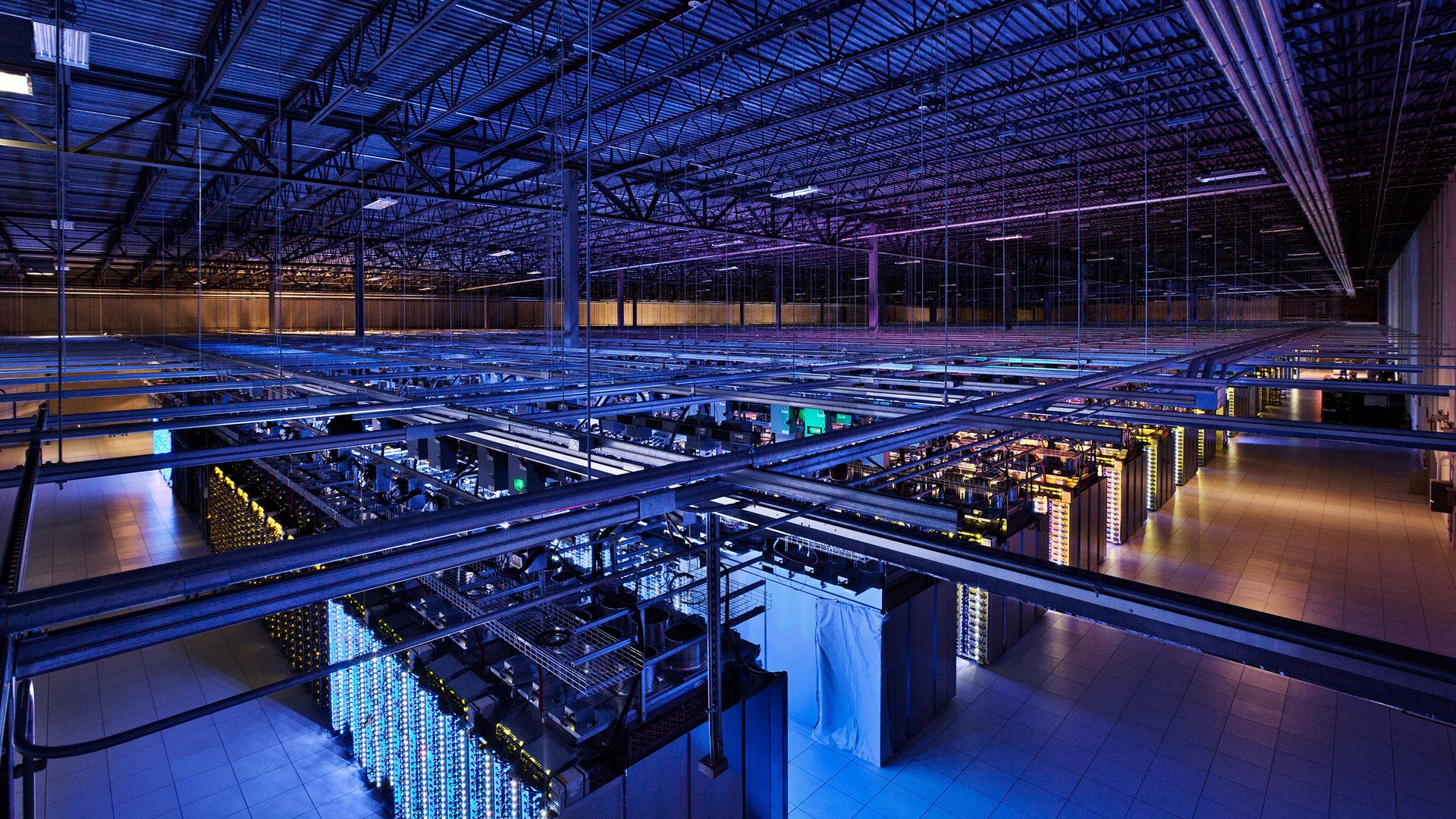
Photo: The Verge

Article

The AI Buildout Hits the Silicon and the Supply Chain

Four hardware stories point to the same shift: AI demand is now constrained less by ambition than by chips, memory, minerals, and the politics of who gets them.

SuryaNovember 19, 20265 min read

The AI buildout has moved into a procurement phase. The stories logged on this desk today are not really about laptops, sanctions, graphite, or a data-center drive; they are about a market in which demand is settled and the binding questions have become physical supply, industrial choke points, and policy. For US technology companies, that changes the competitive game from who has the best model to who can actually get the parts.

Compute Arrives in Volume, and Spreads Out

Nvidia's RTX Spark N1X chip, previously available in laptops, is now shipping in desktops from Asus, Dell, and MSI as of today, with Acer, Gigabyte, and HP to follow later and Microsoft's Surface RTX Spark Dev Box slated to start shipping this month, as The Verge reported. The form factor matters less than the pattern: a single chip design is cascading across laptop, mini PC, and developer box, carried by nearly every major PC vendor at once. That is what a maturing platform looks like. It also means the constraint on AI-capable hardware is no longer whether the silicon exists but whether enough of it can be allocated across a widening set of customers. When a chip shows up in machines from three vendors on day one and three more plus Microsoft within months, the scarce resource is supply, not demand. US buyers benefit from competition among vendors, but that competition is downstream of an allocation decision they do not control.

The Memory and Storage Tier Tightens

The unglamorous half of the same problem sits in storage. Tom's Hardware reviewed Phison's Pascari X201P, a 15.36TB U.2 data-center SSD, and found it meets its rated speeds and saves AI checkpoints quickly, though it trails on low-queue-depth writes. Read that as a statement about where the money is going. Checkpointing is the plumbing of AI training - the act of saving model state so work is not lost - and a drive is now judged on how fast it does it. High-capacity, high-endurance storage is being pulled into the AI buildout alongside compute, which tightens demand for the same fab capacity and controller supply that consumer and enterprise buyers rely on. The review's caveat is the useful part: these drives are tuned for the sustained, parallel workloads of AI servers, not for everything else, and buyers with mixed workloads will feel that. US enterprises building AI infrastructure are competing for the same components as everyone else.

Policy Becomes a Supply-Chain Variable

Then there is the politics. The Trump administration announced plans to clamp down on China's access to AI chips, and Wired characterized the announcement as being motivated by what it called the cheating scandal of the century. Whatever one makes of the framing, the substance is that export policy is now a recurring input into the AI hardware market rather than an occasional event. For US chip companies, each tightening is a revenue question and a compliance question at once; for US buyers, it is a reminder that the availability and pricing of AI hardware are partly set in Washington. The Wired piece's skepticism is worth noting because it points at a real analytical problem: policy driven by grievance or scandal is harder to model than policy driven by stated technical thresholds, and businesses plan against rules, not motives.

The Mineral Choke Point

The most structural story is the least obviously about AI. Chinese companies maintain near-total dominance of the graphite industry, and Molten Industries says its new factory in Oakland could break that monopoly, as TechCrunch reported. Graphite is an anode material, which makes it a battery input, which makes it an energy-storage input - and data centers are energy customers above all. The AI buildout is, at bottom, a demand curve for electricity and the storage that stabilizes it. A near-monopoly at the mine and processing stage is a lever that sits upstream of every US company trying to power and back up AI capacity. That a single startup's factory is being framed as a potential end to a monopoly is a measure of how concentrated the problem is; one plant does not undo an industry structure, but it does show where the private capital thinks the vulnerability lies.

What It Means for US Buyers and Vendors

The common thread is that AI is no longer a software story with a hardware garnish. It is a heavy-industry story. The RTX Spark rollout shows a platform broadening across vendors, which is good for US consumers and businesses shopping for AI-capable machines, but the underlying allocation is set elsewhere. The Phison review shows the storage tier being re-engineered around AI workloads, which raises the competitive bar for enterprise buyers and squeezes general-purpose customers. The export debate shows policy risk embedded in chip supply. The graphite story shows that the energy and materials layer can be concentrated in a single country, which is a strategic exposure for any US firm whose AI plans depend on power. None of these are new problems, but they are now arriving together, and they interact: tighter export rules and concentrated minerals both push costs up the chain, and storage demand competes with compute for the same constrained manufacturing base. The companies that navigate the next phase will be the ones that treat procurement and supply chain as core strategy rather than back office.

What to Watch

The near-term signals are concrete. Watch whether the additional RTX Spark desktops from Acer, Gigabyte, and HP arrive on the timeline The Verge described, and whether Microsoft's Surface RTX Spark Dev Box ships this month as slated - both test whether the chip supply is real or announced. Watch how the Trump administration's announced clampdown on China's access to AI chips is actually written, since the Wired account suggests the rationale is contested. Watch whether Molten Industries' Oakland factory moves from claim to output, because a single plant is a data point, not a trend. And watch the next generation of data-center SSD reviews for how heavily checkpoint performance is weighted, which will show how completely storage has been reoriented around AI. The buildout is not slowing; the question is whether the physical and political inputs can keep pace.

Sources: The Verge, Wired, TechCrunch, Tom's Hardware.

More on this beat: Hardware on TechManNews.

#AI hardware#semiconductors#supply chain#data center#export policy

Newsletter

Get Tech News in Your Inbox

The latest AI, gadgets, software and startup stories from TechManNews, delivered every morning - free.