The processor business is being reorganized around the rack. Three recent items logged on this beat - liquid cooling spreading to nearly every rack component, quantum error rates improving fast enough to change the supercomputing conversation, and Nvidia disputing how much credit it deserves for designing a CPU around agentic AI - point at the same shift. The unit of competition is no longer the chip on its own but the processor as it sits inside a densely packed, power-hungry, liquid-cooled system.
The Rack Becomes the Design Constraint
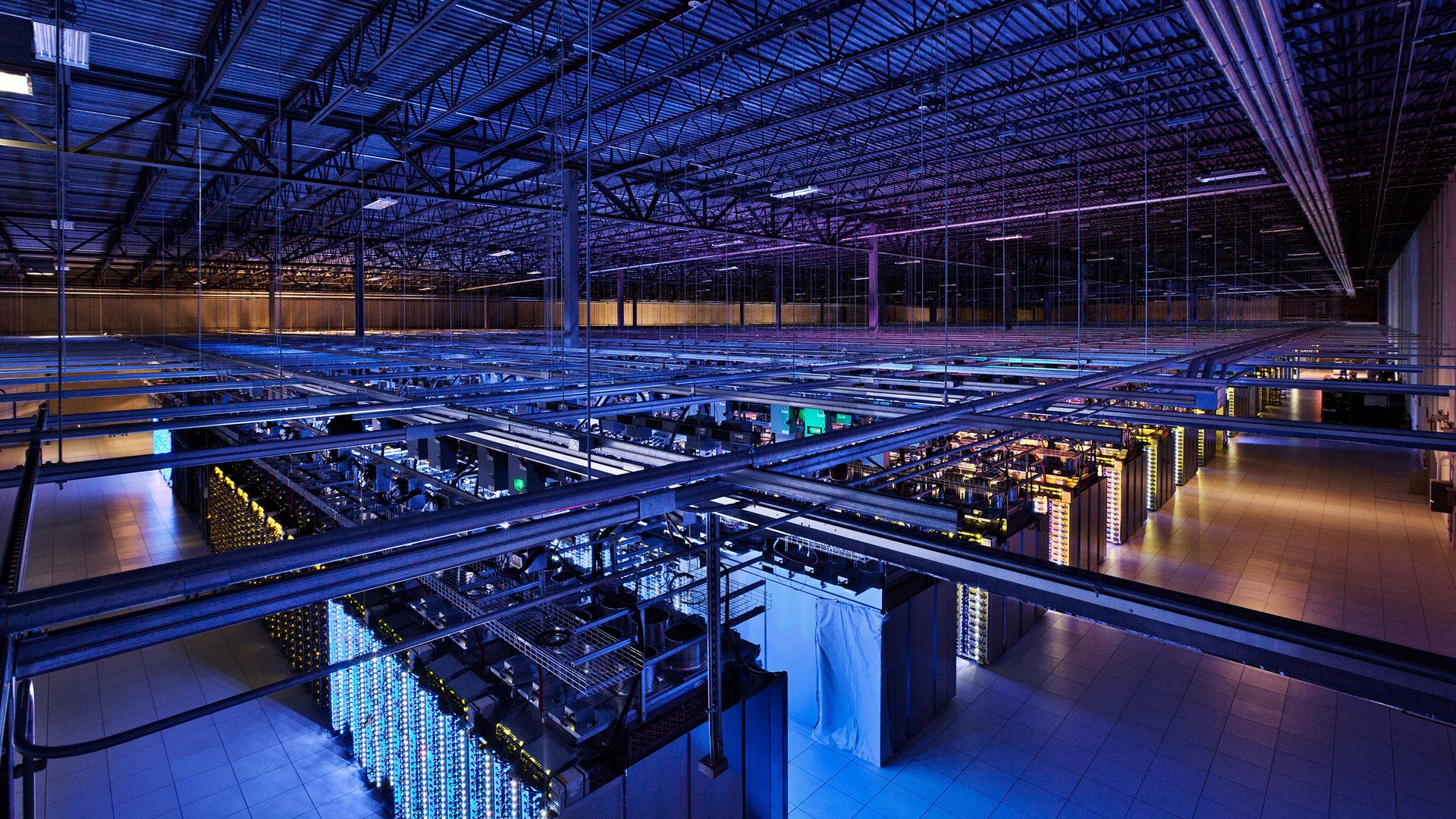
The most concrete evidence comes from the cooling side. As SiliconANGLE reported, AI factories are packing more heat into every rack, and operators have responded by investing heavily in denser racks and liquid cooling. The supply chain pressure has moved past CPUs and GPUs to nearly every rack component, with hoses and couplings needing to arrive faster and in larger volumes than ever.
That is not a peripheral facilities story. For anyone selling processors into US data centers, it reframes the design brief. A CPU or accelerator that wins on benchmarks but forces more plumbing, tighter tolerances or slower deployment is a harder sell than its spec sheet suggests. Cooling capacity becomes a gating factor on how much compute an operator can actually install, which means processor vendors now compete partly on how cleanly their parts fit into a liquid-cooled rack rather than on raw performance alone.
Quantum Stops Being Someone Else's Problem
The second signal is quantum computing shedding its decade-away tag, with SiliconANGLE reporting that error rates have fallen 200-fold in two years as error correction turns fragile machines into reliable ones. The detail that matters for this beat is what the story says about the supercomputing community: it now measures data centers in gigawatts of power.
Gigawatts is a rack-and-facility metric, not a chip metric. It tells you that the buyers quantum vendors want to reach are the same operators already wrestling with heat density and power budgets. The question SiliconANGLE frames - how quantum fits beside the processors already on the floor - is a processor question as much as an architecture question. Quantum does not replace the CPU in the near term; it has to coexist with it, which puts a premium on classical processors that can orchestrate, schedule and shuttle work to specialized hardware without wrecking the power envelope of the room.
The Dispute Over Designing for AI
The third item is a fight about intent. As Tom's Hardware reported, AMD has criticized Nvidia, and to a lesser extent Arm, for claims about creating a CPU designed for agentic AI. Nvidia pushed back, saying Vera was designed with base principles, product intuition and oftentimes simple allegorical laws of computer science, and that it is absurd to assume the company predicted the agentic moment during Vera's development.
The substance of the argument is less interesting than its existence. CPU vendors are now competing over who anticipated AI workloads earliest, because buyers are being asked to commit to platforms on the promise that the processor is built for how AI actually runs. Nvidia's pushback is a tell: claiming prescience is a marketing liability when the design process was more conventional than the narrative implies. For US customers choosing between AMD, Nvidia, Arm-based designs and others, the practical question is not who predicted agentic AI but which processor roadmap is flexible enough to absorb workloads that did not exist when the part was taped out.