Intel and AMD's Quiet Rapprochement Reshapes the CPU Race
Article

Intel and AMD's Quiet Rapprochement Reshapes the CPU Race

Intel's reported talks with AMD, a Zen 6 IPC leak, and Apple's touchscreen MacBook rumors all point to one thing: the CPU roadmap is being redrawn from the top down.

JaysuryaOctober 30, 20264 min read

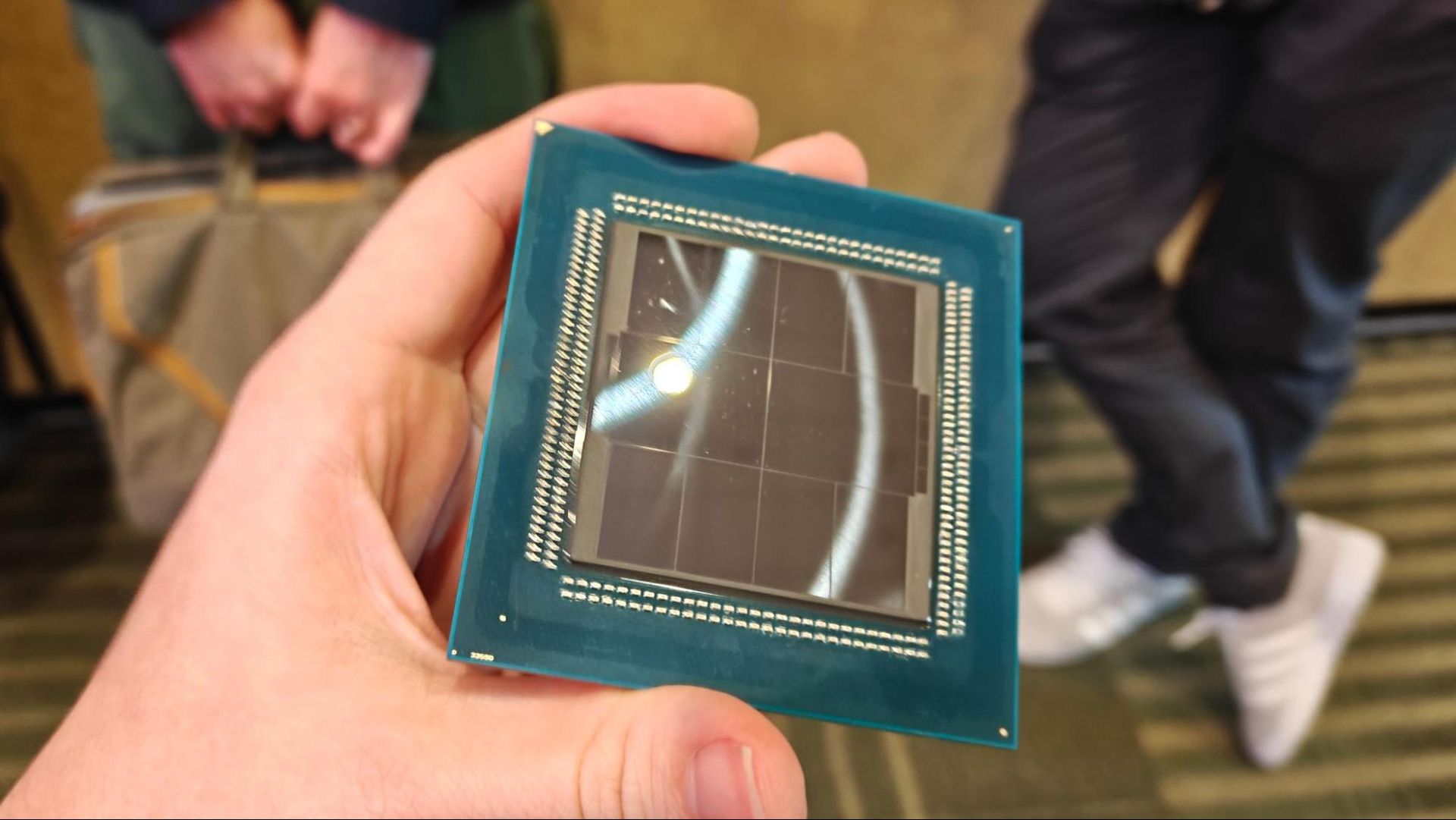
Photo: Tom's Hardware

The CPU industry's next phase is being defined less by clean-sheet designs than by alliances, leaks, and platform decisions made well above the chip level. Intel's reported outreach to AMD, a Zen 6 benchmark leak, and Apple's rumored touchscreen MacBook each land on different corners of the processor beat, yet they describe the same shift: the companies that own the x86 and Arm instruction sets are increasingly competing on ecosystems and manufacturing rather than on individual cores alone. For US buyers and US chipmakers, the question is no longer whose core is fastest, but who controls the stack around it.

The x86 alliance logic

The most consequential item is the report, from Tom's Hardware, that Intel CEO Lip-Bu Tan has spoken with AMD chief Lisa Su about potential areas of cooperation. That follows real groundwork: the two companies have already collaborated on x86 standards and CPU software, including AMD's integration of ZenDNN optimizations into Intel's oneDNN library. Neither executive has publicly detailed the reported discussions or confirmed a new agreement, and that caution matters. But the direction is clear enough. Intel is rebuilding its CPU business while expanding its foundry operations, and a rival that shares the x86 instruction set is a strange but logical partner when the competitive threat sits outside that architecture.

Why software, not silicon, is the hinge

The ZenDNN and oneDNN detail is the tell. Those libraries sit between applications and the processor, and when AMD contributes optimizations to an Intel-led software project, the practical effect is that American x86 chips become easier to target with one body of code. For US software vendors, that lowers the cost of supporting both platforms. For US cloud and enterprise buyers, it reduces the risk of picking one vendor's silicon and being stranded on optimized libraries that only serve it. Cooperation on standards and software does not require either company to concede a clock-speed or core-count advantage; it simply raises the floor for the whole x86 camp.

The performance race continues anyway

Nothing about rapprochement suggests the two firms have stopped competing on silicon, and the leak reported by Tom's Hardware makes that plain. A 256-core Zen 6c EPYC part reportedly destroyed Zen 5 in early single-threaded benchmarks, and a clock-matched comparison from an enthusiast seeds the idea of a roughly 24 percent IPC gain alongside higher clocks. Treat leaked benchmarks with the usual skepticism; they are enthusiast-sourced and unverified. But the signal is consistent with a server market where core counts and per-core efficiency both matter, and where AMD's EPYC line keeps pressuring Intel's data-center roadmap. If that IPC figure holds anywhere close to the leak, Intel's foundry expansion and its CPU rebuild face a moving target, which is precisely why cooperation on the shared x86 base and competition on the products can coexist.

Platforms pull the instruction set upward

The third story sits further from the server rack but belongs on this beat. As The Verge reports, the long-rumored touchscreen MacBook might actually get announced next week, and the outlet's testing of the Lenovo Yoga 9n with Nvidia's RTX Spark platform shaped what it wants from such a machine. That is a processor story wearing a laptop's clothes. Apple silicon's integration is the benchmark the piece measures against, and RTX Spark is presented as a comparable platform-level proposition. For US consumers, the significance is that the CPU decision inside a laptop increasingly determines what the whole machine can do, including touch and AI-adjacent workloads, rather than serving as a spec-sheet line item. It also shows Nvidia pushing its platform story into the same conversation, a reminder that the competitive map around processors now includes companies that do not sell a general-purpose CPU at all.

What this means for the US market

Three threads converge on the same American outcome. First, an x86 detente, if it materializes beyond reported talks, would make the dominant instruction set more durable against Arm-based alternatives, which benefits US enterprise buyers who have built their software estates around x86. Second, it would give Intel breathing room as it rebuilds its CPU line and scales its foundry business, a domestic-manufacturing story with obvious policy weight. Third, continued competition between Intel and AMD on cores and IPC means US cloud and server customers keep getting faster parts, even as the two firms cooperate on the software layer beneath them. The risk is that coordination on standards and libraries shades into something less competitive, which is why the absence of a confirmed agreement is worth noting rather than glossing over.

What to watch

The next signals are specific. Watch whether Intel and AMD move from reported discussions to anything public, and whether that extends beyond the existing x86 standards and oneDNN work. Watch whether the Zen 6c EPYC leak is corroborated by independent testing, particularly the single-threaded IPC claim, since that shapes Intel's data-center urgency. And watch next week for whether Apple actually announces a touchscreen MacBook, because the platform-level integration it would represent is the same lever the x86 pair is trying to pull in software. None of these is confirmed beyond what the reporting says. Together, they describe a CPU market where the architecture, the software stack, and the device are increasingly argued as one package.

Sources: Tom's Hardware; The Verge.

More on this beat: Hardware on TechManNews.

#Intel#AMD#x86#Zen 6#Apple silicon#CPU market

Newsletter

Get Tech News in Your Inbox

The latest AI, gadgets, software and startup stories from TechManNews, delivered every morning - free.