The common thread in three recently logged attacks is not sophistication but placement. In each case, the intrusion vector was a piece of software or a maintenance habit that its victims already trusted: an internet-facing NAS, a GitHub repository promising a PS5 emulator, and a VS Code extension marketplace. The lesson is that the attack surface most exposed right now is the ordinary tooling and upkeep that developers and technically confident users assume is safe.
Trusted Hardware, Neglected Patches
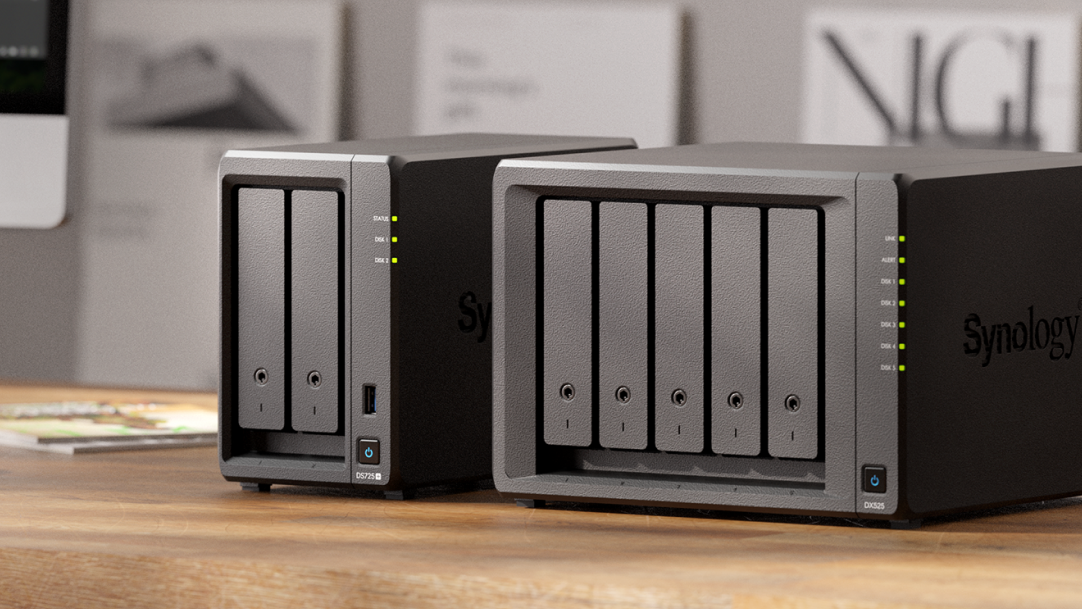
The Synology case reported by Tom's Hardware is the clearest example of maintenance as a vulnerability. An internet-accessible NAS was hit by ransomware through a remote code execution flaw that was 18 months old, according to the report, with security updates neglected across what the outlet described as a series of catastrophic errors. Nothing about the flaw was novel. The exposure came from the gap between a known fix and the willingness or ability to apply it. For US technology companies, that gap is an operational risk rather than a technical one: internet-facing storage and backup devices sit in small offices, home labs and departmental corners that often fall outside formal patch management. The same habits that make a technically confident user a fast adopter also make them a candidate for this kind of failure.
Distribution Channels as Attack Surface
The fake PS5 emulator story, reported by Engadget and attributed to NordVPN's threat research arm, shows attackers using the reputation of a distribution platform rather than compromising it. GitHub repositories advertising PS5 emulators were spreading password-stealing malware. The pattern matters because the promise of an emulator is itself the lure: it targets people looking for something that does not otherwise exist, and it borrows the credibility of a platform associated with open source and developer work. For US consumers, the practical exposure is credential theft on personal machines that may also be used for work. For US companies, it is another reminder that the boundary between an employee's personal software choices and the corporate environment is porous, and that password-stealing malware is designed to convert a single download into account compromise elsewhere.
The Marketplace Window
The Claude Code extension incident reported by BleepingComputer is the most tightly scoped of the three and the most instructive. A malicious version of Anthropic's Claude Code VS Code extension was distributed through Cursor's extension marketplace for approximately 11 hours on October 29, exposing up to 5,000 developers to malware designed to install persistent SSH backdoors. The short duration is not reassurance; it is a measure of how quickly a supply chain compromise can be staged and how hard it is to detect within the window. A developer tooling extension runs with the developer's own privileges, on machines that hold source code, credentials and access to production systems. An SSH backdoor installed there is not a nuisance; it is a foothold with a long dwell time. That this happened through a marketplace developers trust by default, rather than through a phishing email, is the point.