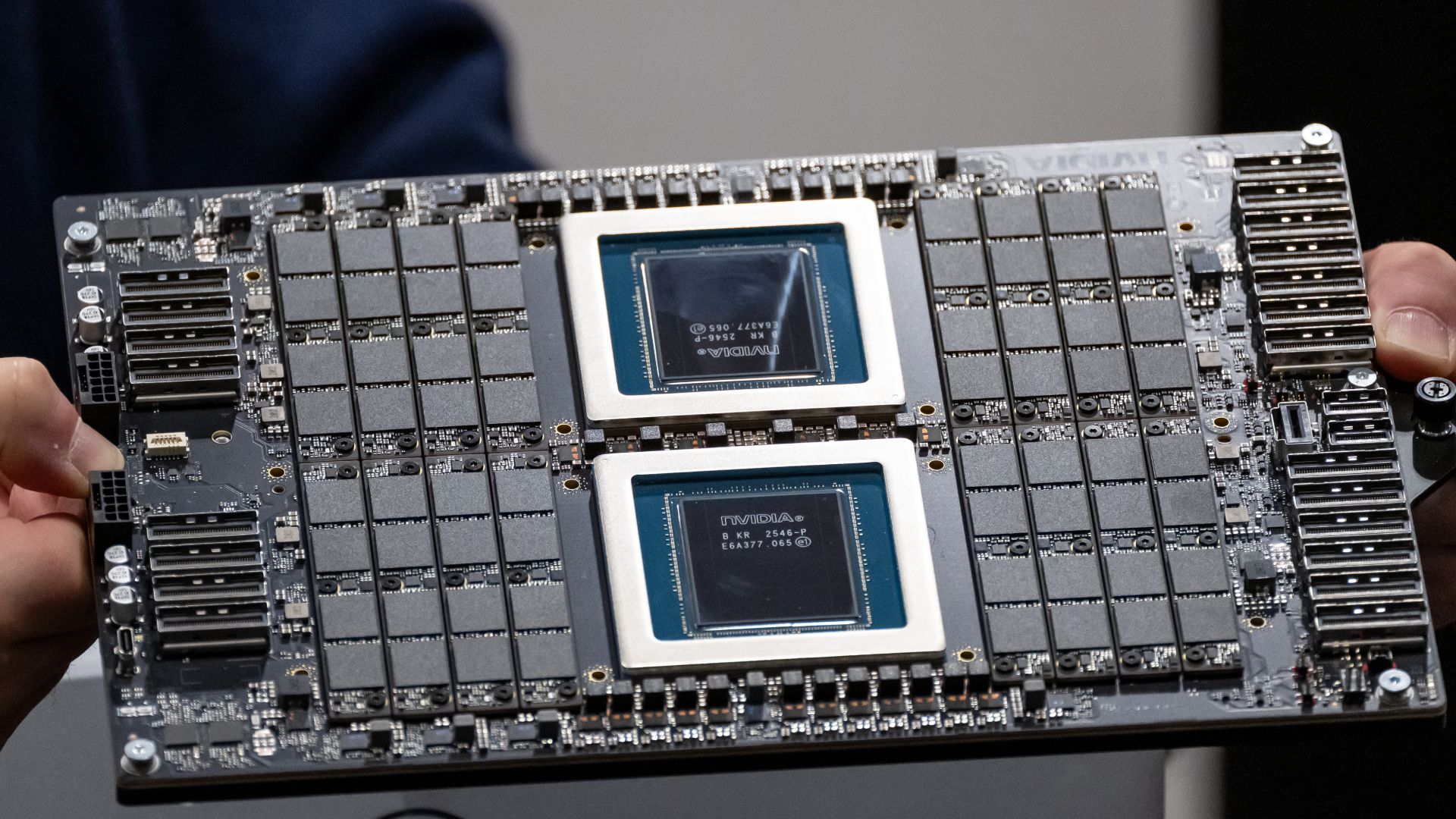
The three stories logged on this beat share one thread: the GPU is no longer just a component to be benchmarked, but a perimeter to be defended. Intel's manufacturing decisions, a malware campaign that hijacks GPU servers, and an alleged espionage case tied to an Nvidia partner all describe the same shift. Control of AI hardware now runs through nodes, model repositories and people, and each of those layers is under strain.
Manufacturing capacity becomes a security question
Intel's Q3 2026 earnings call put a supply decision at the center of its roadmap. CEO Lip-Bu Tan confirmed that Nova Lake desktop processors will be the first client product on the enhanced 18A-P node, with more detail promised at CES, as Tom's Hardware reported. The same call disclosed that Intel is taking Panther Lake capacity offline to build more Granite Rapids data center CPUs.
That is a manufacturing tradeoff, but it is also a security tradeoff. When a single node and a single set of fabs must serve both client and data center demand, the allocation of capacity determines which customers get silicon and when. For US buyers of AI infrastructure, the practical effect is that domestic manufacturing capacity is being rationed in public, with the data center side winning. The strategic argument for onshore production is resilience, yet resilience depends on how much slack the system has. Intel's answer, at least on this call, is that it has little.
Model repositories are the new infection vector
The Hugging Face campaign, reported by BleepingComputer, returned days after a takedown to hijack GPU servers for crypto mining and plant backdoors. One malicious model was downloaded more than 28,000 times. The same report describes a fake Solana starter kit on GitHub positioned to trick AI coding agents into installing a NetSupport RAT.
This matters on the GPU beat because the payload targets the hardware itself. A hijacked GPU server is not a nuisance; it is a rented compute asset turned against its owner, consuming power and capacity that US operators have paid for. The download count is the important figure. Model hubs function as the distribution layer for AI hardware workloads, and a takedown that does not hold is a warning about how quickly these repositories can be repopulated. The GitHub detail adds a second layer: tooling aimed at AI coding agents turns the developer's own automation into the delivery mechanism. The threat model for GPU operators now includes the models and the helper scripts they run, not only the drivers and firmware underneath them.