Intel's Two Supply Shocks Expose a Fragile Chip Balance

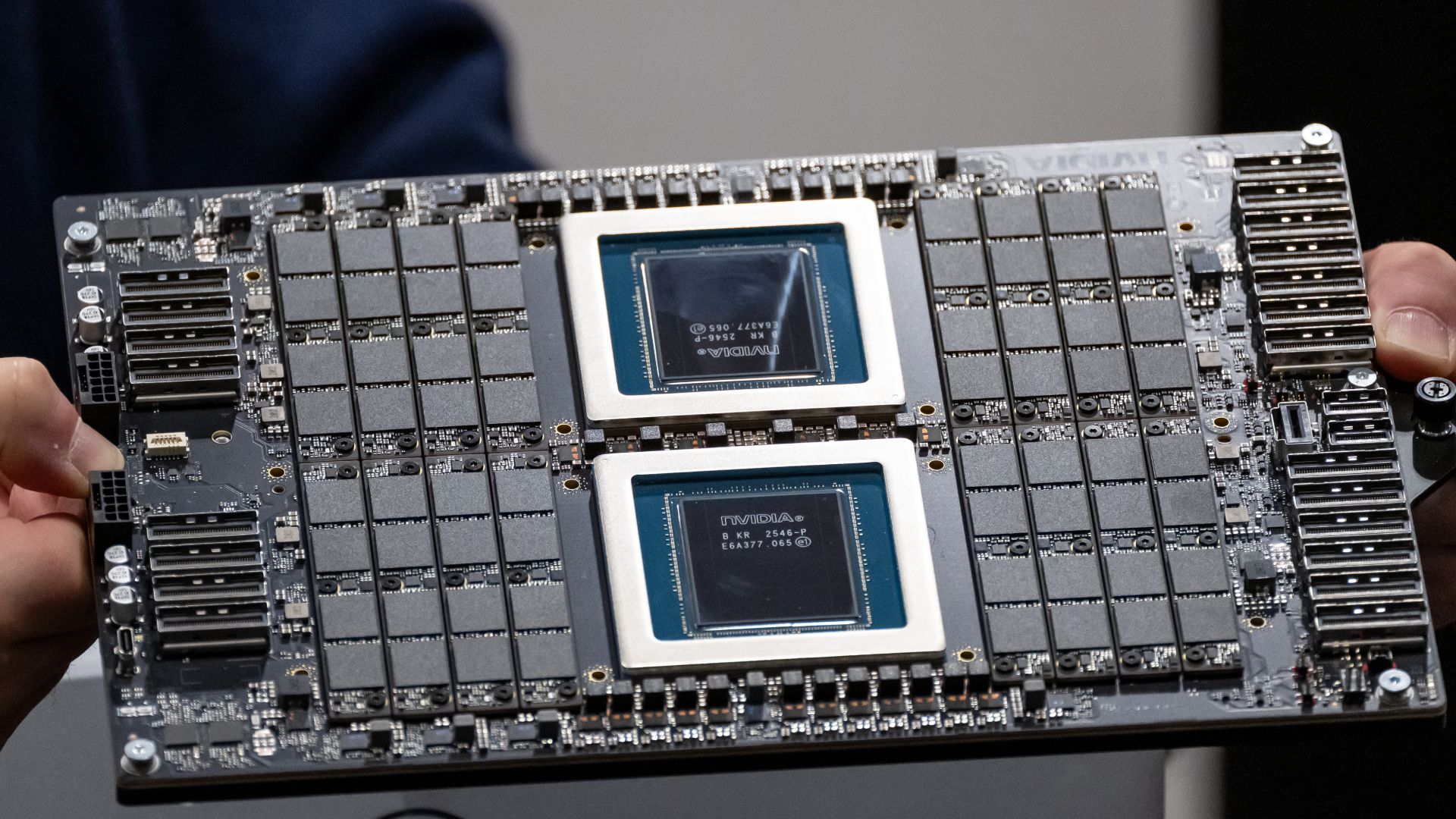
Photo: The Verge

Article

Intel's Two Supply Shocks Expose a Fragile Chip Balance

ManishankarOctober 30, 20265 min read

Intel's sold-out budget chips and a deadly Fab 28 explosion show how thin the margin is between affordable PC supply and server-chip continuity.

Intel is simultaneously running out of the chips it sells cheapest and losing output from one of the fabs that makes its most profitable ones. The two developments are not a contradiction but a single signal: Intel's manufacturing footprint has little slack, and the US chip market is now exposed to both a demand surge in budget laptops and a physical disruption in server production. The pattern across these stories is that supply, not demand, has become the binding constraint on Intel's business.

The budget chip that ran out

On Intel's latest earnings call, CEO Lip-Bu Tan said demand for the company's budget-focused Wildcat Lake chips "is outstripping supply," and CFO David Zinsner said the chips are now sold out, as The Verge reported. Zinsner described "significant growth in Wildcat Lake" and said the line is "coming exactly at the right time because it's cost-optimized." That is the language of a product positioned for affordable laptops, and the admission that Intel is selling every one it can make tells us where the pressure is. It is not in the premium tiers where margins are comfortable; it is at the low end, where volume decides whether a PC maker can hit a price point at all.

For US consumers, the practical effect of a sold-out budget chip is less choice and less discounting in the entry-level laptop segment. For US PC makers, it means allocation decisions and, potentially, slower refreshes of their cheapest lines. Neither outcome shows up as a headline number in Intel's results, but both shape what American buyers find on retail shelves.

A fab stops, and server supply follows

The second story is harder and more consequential. A deadly explosion at Intel's Fab 28 in Israel caused a two-week shutdown, according to Tom's Hardware, and the report ties that stoppage to a $600 million cost and severe disruption to server chip manufacturing for six months. The same report says 10nm Xeon shipments stall during what it describes as the largest shortage in memory, and that the shutdown will affect server CPU shipments for two consecutive quarters.

This is the part of the pattern that matters most for US technology companies. Server CPUs sit underneath cloud capacity, enterprise data centers, and the AI build-out that has dominated chip demand. A two-quarter disruption to Xeon shipments is not a consumer inconvenience; it is a scheduling problem for every US cloud and enterprise buyer that planned around Intel's delivery dates. The $600 million figure quantifies the direct cost, but the two-quarter shipment effect quantifies the exposure that gets passed downstream.

Why these two stories are one story

Read separately, a sold-out budget chip is good news and a deadly fab explosion is bad news. Read together, they describe the same underlying condition: Intel's capacity is committed, and there is no cushion when either demand or supply moves. Wildcat Lake selling out shows that even the cost-optimized end of the portfolio has no spare output. Fab 28 going down shows that when a single facility stops, the shortfall propagates for months.

The connection is not that one caused the other. It is that both are symptoms of a manufacturing base operating close to its limits, where the affordable segment and the server segment compete for the same constrained attention. Intel can prioritize server shipments to protect its most valuable customers, but doing so tightens the budget lines further. It can push Wildcat Lake volume, but that assumes fabs are running. The earnings call and the fab shutdown, taken together, show a company with little room to absorb either kind of shock.
The US market exposure

For US technology companies, the Fab 28 disruption is the more immediate risk. Server CPU shipments stalling for two consecutive quarters forces cloud providers and enterprises to extend the life of existing hardware, delay deployments, or seek alternatives. Tom's Hardware's characterization of the situation as the largest shortage in memory adds a second constraint on top of the processor shortfall, which compounds the planning problem rather than simplifying it.

For US consumers, the Wildcat Lake sellout is the visible effect. Affordable laptops depend on cheap, abundant silicon, and a sold-out budget chip removes the supply that keeps entry-level pricing competitive. The earnings-call language from Tan and Zinsner, as reported by The Verge, is notably free of any commitment about when supply will catch up. That absence is itself informative.

The Anthropic signal in the background

The third story on this beat points in a different direction but reinforces the same theme. Anthropic has filed its S-1 to go public on the Nasdaq, and The Verge's Decoder episode brought in Joey Brookhart of the chip and AI research firm SemiAnalysis to dig into the numbers inside that filing. The relevance to chips is straightforward: a public AI company's prospectus is, among other things, a statement about future compute demand, and compute demand lands on the same constrained manufacturing base described above.

This is where the pattern becomes a market-level argument rather than a company-level one. If AI demand continues to justify the expectations embedded in a filing like Anthropic's, the pressure on leading-edge and server capacity intensifies. Intel's sold-out budget line and its disrupted server line are two ends of a supply chain that a public AI story would only pull harder. The S-1 does not tell us how much capacity Anthropic will consume, and the material here does not quantify it. What it tells us is that the demand side of the chip equation is being formalized in public markets at the same moment the supply side is showing its limits.

What to watch

The next Intel earnings call is the clearest checkpoint: whether Tan and Zinsner still describe Wildcat Lake as sold out, and whether they put any timeline on restoring supply. Watch for any disclosure on Fab 28's return to full output and on 10nm Xeon shipment timing, since Tom's Hardware's reporting ties the disruption to two consecutive quarters. Watch the memory shortage referenced in that same report, because a server CPU shortfall alongside a memory shortfall is a harder problem than either alone. And watch how the Anthropic IPO process develops, not for its own sake but because a public AI company's disclosed compute plans are the demand signal that Intel's constrained fabs will be measured against.

The through-line is simple: Intel's problem in late 2026 is not convincing buyers to purchase its chips. It is making enough of them, in enough places, to keep both the affordable PC market and the server market supplied at the same time.

More on this beat: Hardware on TechManNews.

#Intel#semiconductor supply#server chips#fab disruption#PC market#AI compute

Newsletter

Get Tech News in Your Inbox

The latest AI, gadgets, software and startup stories from TechManNews, delivered every morning - free.