The through-line in this week's wearable news is that the category is growing up unevenly, with some products still stuck in prototype mode while others quietly become more useful. Snap's AR Specs, Audio-Technica's first wireless StreamSet headphones, and hidden LE Audio features in existing Bluetooth headphones all point to a market where hardware is no longer the main event. The real story is about software, standards, and whether these devices solve problems US consumers actually have.
Snap's Specs Still a Prototype
Wired's hands-on with Snap's $2,195 Specs AR glasses found they fit better than they look and stay put during push-ups, but the product still feels like a developer prototype in search of a purpose. That assessment matters because it shows the gap between engineering capability and consumer value. Snap has built something that works physically, yet the company has not articulated why a typical US buyer would spend that kind of money. For US technology companies, the lesson is that augmented reality hardware remains a tough sell without compelling everyday applications. The glasses are a statement about Snap's ambition, but they are not yet a product that answers a mainstream need. Until the software ecosystem catches up, AR wearables will remain a niche for developers and enthusiasts rather than a mass-market category.
Audio-Technica Expands Its Wireless Reach
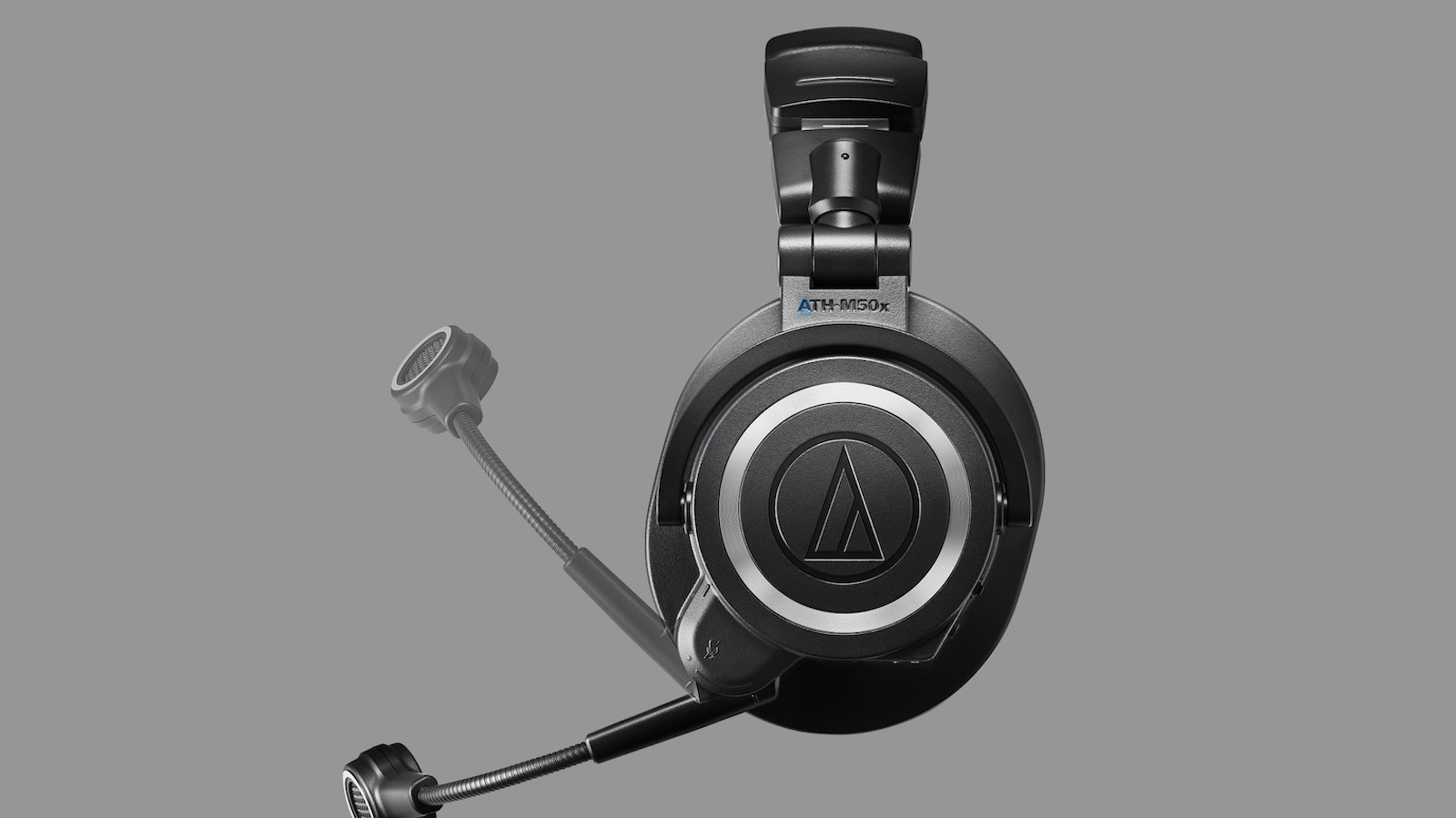
Audio-Technica released its first set of wireless StreamSet headphones, expanding the lineup beyond XLR and USB-connected models, as Engadget reported. This is a smaller story on its face, but it fits the pattern of established audio brands removing friction for users. Wireless connectivity is no longer a differentiator; it is table stakes. The move signals that Audio-Technica sees its future in untethered listening, even for products traditionally aimed at studio or broadcast use. For US consumers, more wireless options in professional-leaning gear means fewer cables and more flexibility. For US companies, it is a reminder that proprietary connectors and wired-only designs increasingly look like liabilities. The headphone market is crowded, and the brands that win will be the ones that meet users where they already are.
LE Audio Is the Quiet Upgrade
ZDNET reported that JBL, Sony, and Bose Bluetooth headphones have hidden LE Audio features that amount to a top-to-bottom wireless makeover, not just Auracast. This is the most consequential story of the three because it affects devices people already own. LE Audio is a standard that improves power efficiency, audio quality, and multi-device connectivity, and its availability in mainstream headphones means the upgrade is happening without users having to buy new hardware. The catch is that these features are hidden, which means many US consumers will never know they exist unless they seek them out. That is a problem for adoption. Standards bodies and manufacturers have done the engineering work, but the communication and user experience around LE Audio remain underdeveloped. For US technology companies, the opportunity is to build software that surfaces these capabilities and makes them easy to use. The risk is that a meaningful standard improvement goes unnoticed because it is buried in settings menus.