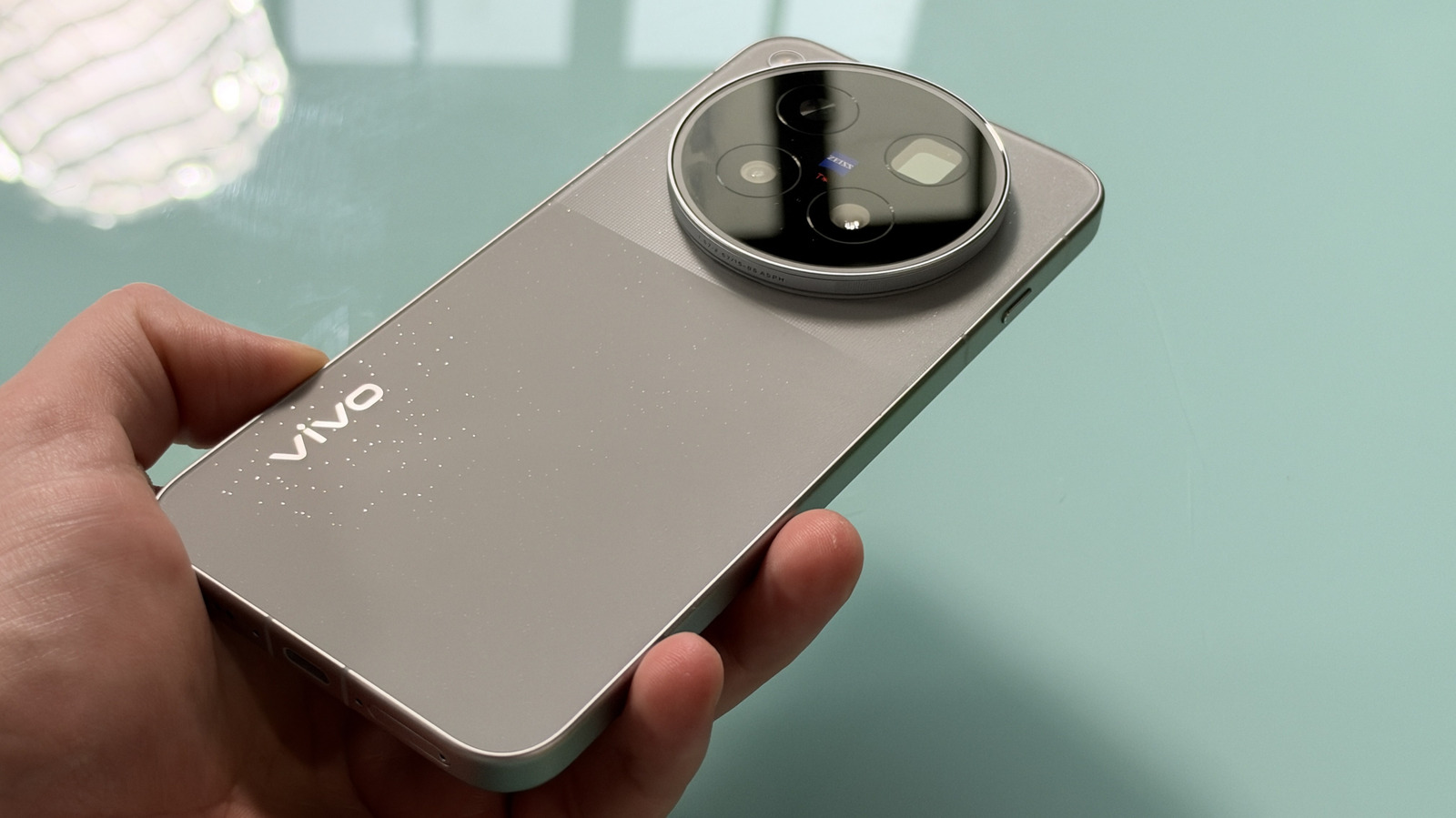
The smartphone business is separating into two distinct product philosophies. One camp keeps pushing forward with new silicon and new camera systems, while the other is discovering that a phone is only as good as the software already sitting on it. The recent run of stories on this beat - a 2nm iPhone 18e leak, Vivo's camera-first X500 Pro Max, and a massive iOS 27.2 bug fix - are not three unrelated items. They are the same story told from three angles: the upgrade is no longer a single event, and the companies that win will be the ones that manage both halves of it.
The Spec Race Has Not Stopped
Engadget's report on the iPhone 18e describes a device built around a 2nm A20 chip and a 60Hz screen, with leaks also pointing to a boost for the front camera. Read that list closely and a logic appears. The chip is the headline, the display is deliberately unremarkable, and the selfie camera gets attention. That is a company deciding where performance and cost should land in a phone positioned below its flagship. Moving to a newer process node is expensive, and pairing it with a 60Hz panel suggests the money is being spent on compute rather than on the display spec sheet.
That choice matters for the US market because it reframes what a mid-tier iPhone is for. If the A20 is genuinely a 2nm part, the practical benefit is not benchmark bragging but longevity - more headroom for the software the phone will run years from now. A 60Hz screen is the trade that makes the price work. The front-camera note is the tell that Apple's sub-flagship strategy is now about differentiated appeal rather than a stripped flagship. This is still a leak, reported by Engadget, and should be treated as one. But the shape of the rumor is consistent with where the category has been heading.
Camera Ambition Is a Different Bet
Engadget's piece on Vivo's X500 Pro Max frames it as another camera-focused smartphone with more video tricks, and notes that Vivo and Oppo are launching similar phones with different priorities. That is the other half of the hardware story. Where Apple appears to be rationing display quality to fund silicon, Vivo is loading up on imaging and video capability and accepting that the pitch will be narrower.
The significance for US readers is indirect but real. Vivo does not compete in the US carrier channel the way Apple and Samsung do, so the X500 Pro Max will not appear on American store shelves in any meaningful volume. What it does is set expectations. Camera and video features that debut on Chinese flagship phones tend to become the benchmark that US consumers see in comparison coverage, and eventually the features that US-facing brands are asked to match. The Engadget report's point that Vivo and Oppo are pursuing similar phones with different priorities is the more useful observation: even within the camera-first camp, there is no consensus on which capability deserves the investment.
The Part Buyers Actually Feel
The third story is the one that should get the most attention from anyone in the US holding an iPhone. CNET reports that an update to iOS 27.2 patches hundreds of bugs, including some that could leave an iPhone inoperable or expose sensitive data. That is not a feature story. It is a maintenance story, and it is the counterweight to everything above.
A 2nm chip and a better front camera are abstractions until the phone on the desk stops working. The CNET report describes failure modes at both ends of the severity scale: devices rendered unusable and data put at risk. Those are the outcomes that shape how consumers think about a brand, and they arrive on a schedule nobody markets. The volume implied by "hundreds of bugs" in a single point release is itself the story. Modern smartphone software is large enough that shipping it is an ongoing obligation, not a launch-day event.