Amazon and Google Are Selling Ecosystems, Not Gadgets

Photo: The Verge

Article

Amazon and Google Are Selling Ecosystems, Not Gadgets

ManishankarOctober 29, 20264 min read

This month's launches show hardware increasingly priced and designed as entry points into connected platforms, and US buyers are paying for the system rather than the device.

The recent run of device announcements is less a parade of products than a set of entry points. Amazon and Google are shipping hardware whose value depends on the services, cameras, and subscriptions behind it, and the pricing and features reflect that. For US consumers, the practical question is shifting from what a device does to which ecosystem it locks them into.

The Product Is the Platform

Amazon's October has been a sequence of access points rather than a single showcase. As The Verge reported, the company swapped its usual big fall hardware event for smaller launches spread across the month, covering new Fire TV devices, new Kindles, the Alexa Tablet Pro 12, Ring's first smart lock, hardware from AI-wearable startup Bee, and new Blink 4K cameras. That is not a catalog of unrelated gadgets; it is a portfolio organized around Alexa, Prime, and the home. Each item is a way in. The absence of a single stage event matters less than the breadth: Amazon is seeding the ecosystem at many price points and many room types at once.

Google's approach with the Xreal Aura is a variation on the same logic. The Verge reported that the 95-gram glasses, paired with a tethered Android XR compute puck and multiple virtual screens, went on sale at $1,099 through Xreal and Google. The notable detail is that the price came in below expectations before launch. A cheaper headset is still a platform play: the glasses only make sense as a window into Android XR and whatever services run on it. The hardware is the toll booth, not the destination.

Features That Assume a Subscription

The clearest evidence of the pattern is in the features themselves. Amazon's overhauled Alexa Home Map, as The Verge described it, is now an interactive 3D view of a property inside and out, using compatible Ring cameras to extend the map beyond the walls. A map is only as good as the sensors feeding it, and those sensors are sold separately. The feature is designed to make the installed base more valuable, and to make adding another camera more attractive.

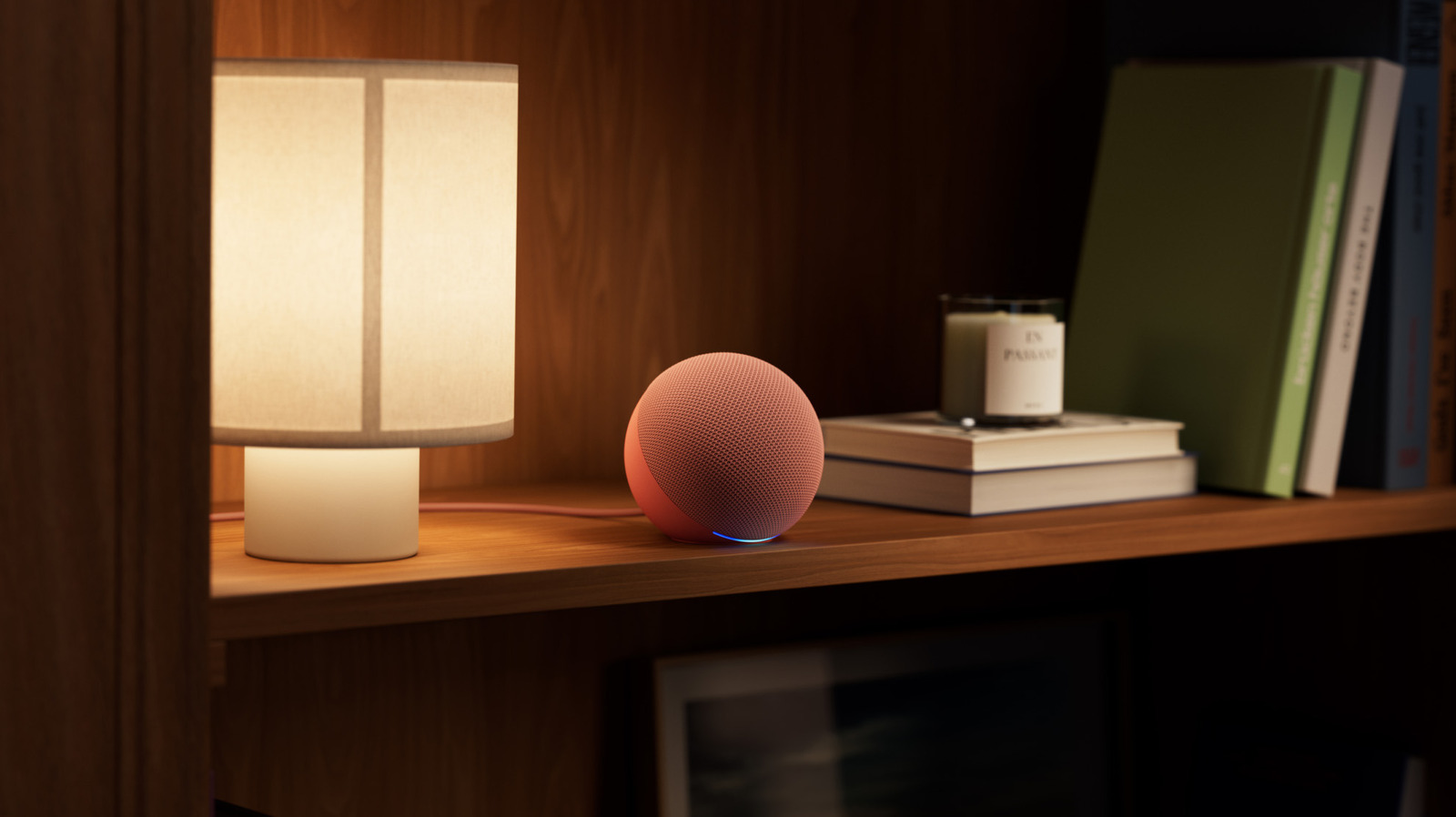
The new Echo Dot follows the same logic. Engadget reported that Amazon's updated Echo Dot works as an eero Wi-Fi extender and a smart home hub. A $50-ish speaker that also extends a mesh network and coordinates connected devices is a piece of infrastructure disguised as an impulse buy. It lowers the cost of building out an Amazon-centered home while raising the cost of leaving one.

The Price Cut as Strategy

The Aura's pre-launch price reduction is worth reading as a strategic signal rather than a discount. The Verge noted the surprise that a product got less expensive before its debut. In a category where headsets have struggled on price, coming in at $1,099 through Xreal and Google suggests both companies are prioritizing installed base over margin per unit. The competition being referenced is Meta, and the message is that Google intends to be in the XR conversation on price as well as software.

For US buyers, that is genuinely good news in the short term. It also means the purchase decision is increasingly about which company's software and services they want to live inside, because the hardware itself is being priced as a loss leader or a near-cost entry point.

What This Means for the US Market

The American market implications run in two directions. For consumers, the immediate effect is more capable hardware at more accessible prices, with the Echo Dot's networking and hub functions and the Aura's lower entry cost as examples. The less visible effect is consolidation: every device purchased makes the next purchase in the same ecosystem cheaper and the switch to a rival more expensive. A home with Ring cameras, Blink cameras, an Echo hub, and an Alexa map is not easily reassembled around a competitor.

For US technology companies, the pattern raises the stakes on interoperability and on regulatory attention. Amazon's expansion into networking through eero and into home security through Ring and Blink puts a single company at several layers of the home stack. Google's XR push with a partner like Xreal shows a willingness to share hardware risk while keeping the software layer. Both are rational strategies, and both invite the question of how much of a household's digital infrastructure should sit with one vendor.

The Missing Piece: A Single Showcase

One detail from The Verge's reporting deserves attention: Amazon chose not to hold its usual big fall hardware event, spreading announcements across October instead. That may be a scheduling choice, but it also reflects a portfolio too broad for one stage. When the story is the ecosystem rather than any single hero device, there is no need for a hero device. The launches become a drumbeat rather than a moment.

That has a cost for consumers trying to compare. A series of smaller announcements is harder to evaluate as a whole, and the interdependencies between products are exactly what a buyer needs to understand. The information is available, but it is fragmented across outlets and dates.

What to Watch

The next signals are specific. Watch whether the Alexa Home Map's 3D view and its Ring camera integration become a reason to buy additional cameras, which would confirm that software features are being used to drive hardware attach rates. Watch whether the Echo Dot's eero and hub functions appear in more Amazon devices, which would suggest networking is becoming a standard feature rather than a premium one. Watch whether the Aura's $1,099 price holds or moves after launch, which would indicate how much of the discount was strategic. And watch whether Amazon returns to a single fall hardware event next year, which would say something about whether the portfolio approach was a choice or a correction.

None of these stories is dramatic on its own. Together they describe a market where the device is the beginning of the purchase, not the end of it.

More on this beat: Gadgets on TechManNews.

#Amazon#Google#smart home#XR hardware#platform strategy#US consumers

Newsletter

Get Tech News in Your Inbox

The latest AI, gadgets, software and startup stories from TechManNews, delivered every morning - free.