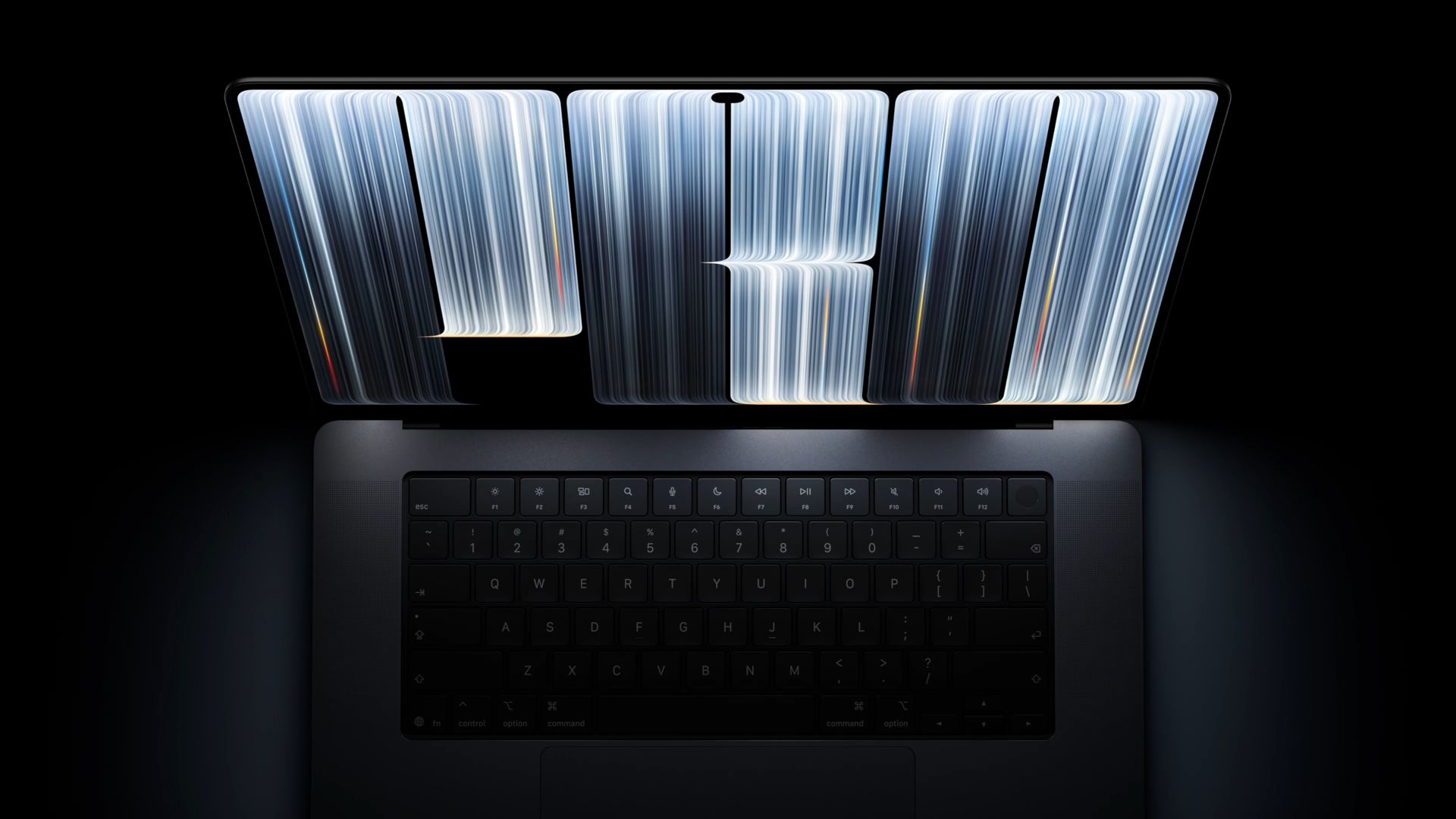
Apple's Touchscreen MacBook Is Really an OLED Story
Article

Apple's Touchscreen MacBook Is Really an OLED Story

Coverage of Apple's first touchscreen Mac has fixated on the input change, but the display technology underneath is the more consequential shift for US laptop buyers.

SuryaOctober 29, 20264 min read

Photo: Tom's Hardware

Apple's new MacBook finally brings a touch display to the Mac, and most of the coverage has treated that as the story. The more important pattern in the recent reporting is that touch is the headline while OLED is the substance: the panel change reshapes what a premium laptop is, who supplies it, and what US buyers get for a starting price of $2,899. The input method is the visible novelty; the display is the durable shift.

The Frame Everyone Reached For

Tom's Hardware reported the launch plainly: a new MacBook with a touchscreen and OLED, starting at $2,899, lighter and wearing a new look. Wired framed its exclusive early look around the same tension, describing a touchscreen MacBook Pro as "the computer Apple said would never happen." Engadget, meanwhile, made the reframing explicit, noting that with all the fuss about Apple finally releasing a touchscreen MacBook Pro, readers may have forgotten about the OLED part.

That last line is the thread. Three outlets, three angles, one gravitational center: the input change. The display technology is treated as a footnote to a interface decision. For anyone buying a laptop rather than arguing about one, the ordering is backwards.

Why Touch Is the Easier Story

Touch on a Mac is a narrative with a built-in arc. It is a reversal, and reversals are legible. Wired's framing as the computer Apple said would never happen supplies the entire story in a single clause, no specifications required. A reader can evaluate that claim without knowing anything about panel technology.

OLED is harder to sell as news because it is an upgrade rather than a conversion. It does not contradict a past statement; it simply makes the screen better. Engadget's own aside is evidence of how easily that gets lost in the shuffle. When the outlets covering a launch have to remind readers that half the announcement happened, the coverage has sorted the announcement by drama rather than by consequence.

The Display Is the Part That Changes the Machine

A touchscreen changes how a laptop is used at the margin. A new display technology changes what the laptop is good at across everything it does. Every task on the machine runs through the panel, and the panel that ships inside a $2,899 computer sets the floor for what that price buys.

There is a second signal in the same material. Engadget's piece on Apple's PROLED XDR display describes a name it calls cringy alongside specifications it calls incredible, and frames that coverage as something readers may have skipped past amid the touchscreen noise. Whatever the branding merits, the reporting puts a display product at the center of Apple's premium story. The pattern across all three pieces is that Apple's laptop ambitions are increasingly display ambitions, and the press is covering them as input ambitions.

What This Means for US Buyers and US Firms

For US consumers, the practical question about a $2,899 laptop is not whether the screen responds to a finger. It is whether the panel justifies the price of entry. Buyers evaluating the machine will be comparing display quality against Windows laptops, and the OLED specification is the comparison that matters. Coverage that leads with touch nudges those buyers toward evaluating the wrong attribute.

For US technology companies, the emphasis matters competitively. A display-led premium laptop raises the bar for what competing machines must source and ship. Firms building and selling laptops in the US market have to respond to the panel, not to the gesture. If the industry conversation stays fixed on touch, competitors may misread where the pressure is actually being applied.

There is also a supply-side implication, stated carefully. OLED panels at laptop scale are a constrained, specialized input, and a flagship machine adopting them concentrates attention on that supply base. The stories above do not give figures on capacity or sourcing, and this analysis will not supply them. The point is structural: when the headline spec is a component, the companies that make that component gain leverage over everyone assembling around it.

The Branding Distraction

Engadget's characterization of the PROLED XDR name as cringy is a fair press reaction, and it is also a preview of how the next cycle will go. Naming debates are cheap to cover and easy to have opinions about. They pull attention away from the specifications that determine whether the product is any good. The same dynamic is at work with touch: an argument about whether Apple should have done it crowds out an assessment of what Apple actually shipped.

The discipline the coverage needs is simple. Report the input change, then report the display change with equal weight, because the second one is what the buyer lives with.

What to Watch

The stories logged here point to a few concrete things to track. Watch whether subsequent coverage of this MacBook keeps OLED as a subordinate clause or promotes it to the lede, and whether Engadget's framing, that the OLED part risks being forgotten, becomes the correction or remains an aside. Watch how the PROLED XDR display story develops, since Engadget's treatment suggests display branding will be a running thread of its own. Watch the $2,899 starting price as the reference point against which US buyers judge whether the panel earns the premium. And watch how competing laptop makers in the US market respond, since a display-led flagship sets the comparison they will be measured against.

None of this makes touch irrelevant. It makes touch the entry point to a story whose payload is the screen underneath it.

More on this beat: Gadgets on TechManNews.

#Apple#MacBook#OLED displays#laptops#US consumer tech#product analysis

Newsletter

Get Tech News in Your Inbox

The latest AI, gadgets, software and startup stories from TechManNews, delivered every morning - free.