The Smartphone Becomes the Hub Again, and the Gadgets Know It

Photo: The Verge

Article

The Smartphone Becomes the Hub Again, and the Gadgets Know It

JaysuryaOctober 30, 20264 min read

The smartphone is being repositioned as the center of the personal computing ecosystem, and the gadgets around it are being redesigned to orbit it. That is the common thread in three recent stories: Apple's wide-ranging gadget experimentation, Lenovo's Googlebook laptop built around an Android phone, and the Apple Pencil turning a $2,000 folding phone into a notebook. In each case, the phone is the anchor, and the surrounding hardware is asked to justify itself as an extension of it rather than a standalone purchase.

Apple's Experimentation Is Ecosystem Work

The Verge's report on the delightfully messy state of Apple gadgets describes a company trying new things across its lineup: the iPhone has more screens, the MacBook has a touchscreen, and the HomeView runs CarPlay apps. The framing is that Apple is in a period of unabashed gadget experimentation, and that the results are not always perfect. For US smartphone buyers, the important detail is where the experimentation is aimed. More screens on the iPhone and CarPlay apps running on a home device are not isolated product moves; they are attempts to make the iPhone's software and services surface in more places. The MacBook gaining a touchscreen is a break from Apple's long-held position, but it also narrows the gap between the laptop and the phone's touch-first interface. The pattern is that Apple is willing to blur product boundaries again, and the phone sits at the center of that blurring.

The Laptop That Assumes an Android Phone

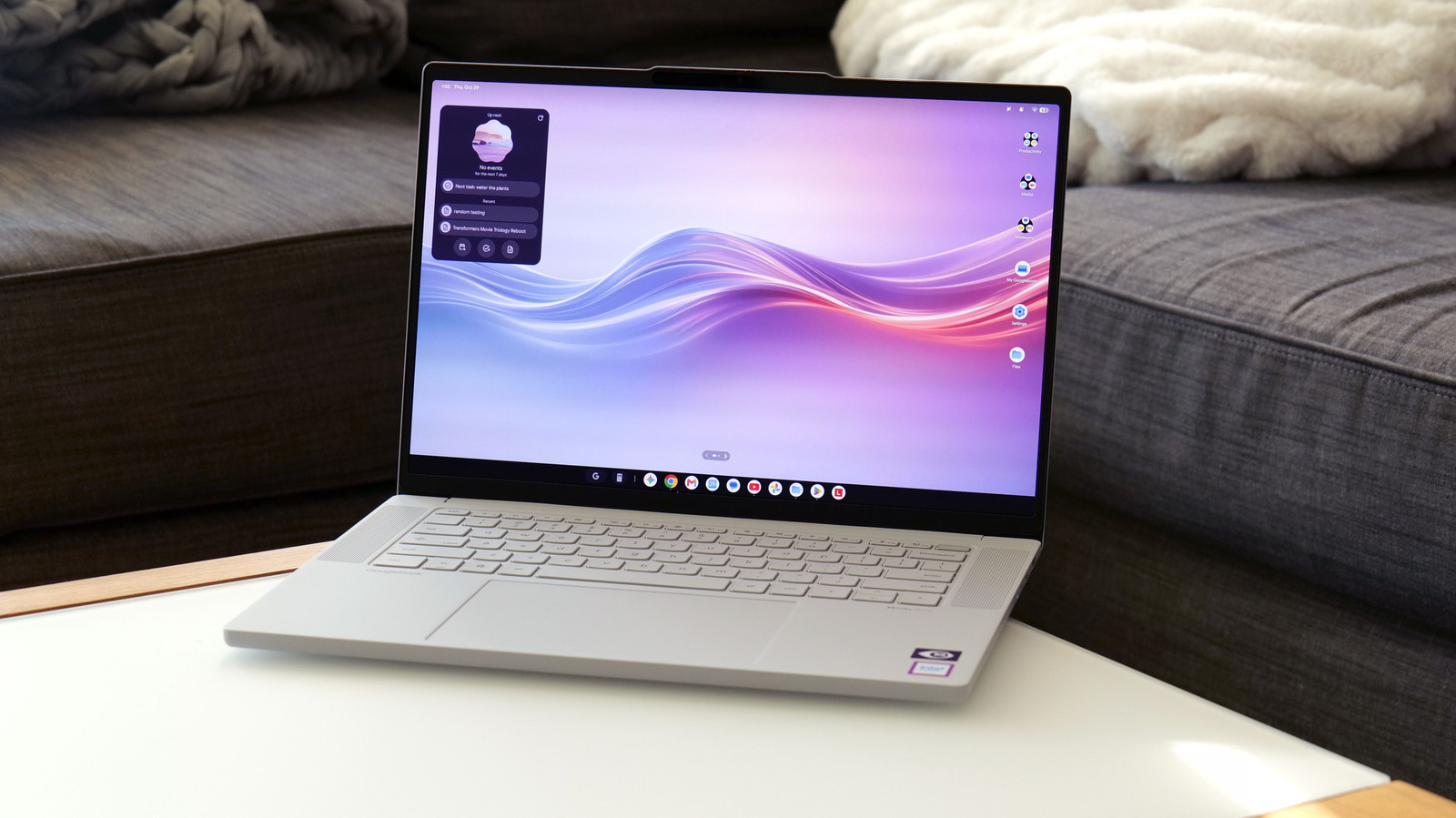
Engadget's review of the Lenovo Googlebook 15 makes the same point from the other direction. The hardware is described as excellent, but Googlebook OS is said to only impress Android die-hards. That is a direct statement about who the product is for: people who already carry an Android phone and want the laptop to extend it. The review's verdict is not that the laptop fails on hardware, but that the software platform's appeal is limited to those already inside Google's phone ecosystem. For the US market, this is a meaningful constraint. A laptop that depends on an Android phone for its best experience is asking buyers to make a platform commitment at the phone level first. That limits its reach to the installed base of Android users rather than the broader PC market, and it makes the phone the deciding purchase.

The Folding Phone as a Notebook

The Verge's piece on the Apple Pencil and the Duo makes the thread explicit. Apple's $2,000 folding phone is described as a surprisingly good stand-in for a $20 notebook. The comparison is deliberately modest, but the implication is large: the phone's value is being measured by what it can replace, and the accessory is what unlocks that use. The reviewer's enthusiasm is about the notebook habit, not about the phone's specifications. That is the same logic as the other two stories. The phone is the device that is always present, and the add-on, whether a pencil or a laptop or a home screen, is what turns presence into utility. The $2,000 price is stated plainly in the material, and it frames the trade-off: the folding phone is being asked to justify itself by absorbing tasks that used to require separate purchases.

The US Consumer Trade-Off

For US consumers, the common thread produces a specific trade-off. The phone is the hub, but the hub is expensive, and the satellites are only as good as their integration with it. Apple's experimentation, as The Verge describes it, is fun to watch but not always perfect, which means early buyers of the new screens and touchscreen MacBooks are effectively paying to test the integration. Lenovo's Googlebook 15, as Engadget reports, offers excellent hardware but a platform that only impresses Android die-hards, which means US buyers outside that group have little reason to adopt it. The folding phone plus pencil, as The Verge frames it, is a $2,000 substitute for a $20 notebook, which is a hard sell on cost even when the experience works. In all three cases, the phone-centric design raises the stakes on the phone purchase and lowers the standalone value of the surrounding gadget.

What the Pattern Means for US Technology Companies

The strategic logic is clear enough. Companies that control the phone control the entry point to the ecosystem, and the surrounding hardware becomes a way to increase the value of that entry point rather than a separate profit center. Apple's experimentation across iPhone screens, MacBook touchscreens, and HomeView CarPlay apps is consistent with defending the iPhone as the anchor. Google's Googlebook OS, as reviewed by Engadget, is consistent with extending Android's reach beyond the phone, even if the current appeal is limited to die-hards. The risk for US companies is that the strategy narrows the addressable market for each satellite device. A laptop that only impresses Android die-hards, or a folding phone that costs $2,000 to replace a notebook, does not expand the ecosystem so much as deepen it for people already inside. That is a reasonable defensive move, but it is not a broad growth story on the evidence in these stories.

What to Watch

The stories above point to a few concrete things to watch, all grounded in what they actually say. First, whether Apple's experimentation produces integration that justifies the new screens and the touchscreen MacBook, or whether the messiness The Verge describes remains a cost borne by early buyers. Second, whether Googlebook OS can move beyond Android die-hards, since Engadget's review suggests the hardware is not the constraint. Third, whether the folding phone plus Apple Pencil can make a $2,000 device feel like a reasonable substitute for a $20 notebook, which is the test The Verge's reviewer is effectively running. Each of these is a test of the same proposition: that the phone can be the hub and the gadgets around it can earn their place. The material does not settle whether that proposition holds, but it shows that the US smartphone market is now being organized around it.

More on this beat: Gadgets on TechManNews.

#smartphones#Apple#Lenovo#ecosystem#US market#foldables

Newsletter

Get Tech News in Your Inbox

The latest AI, gadgets, software and startup stories from TechManNews, delivered every morning - free.