The four stories logged on this desk share no product category and no customer segment, but they share a posture: each is about the friction beneath the surface of software people already own. A menu tweak and a recovery tool for Windows, a bug fix in Photos, status meetings replaced by no-code apps, and a security integration still resting on a nonbinding agreement. None is a launch of something new. All are about making existing systems less annoying, less fragile, or less expensive to operate - and that is where a meaningful share of enterprise and consumer software value is being decided in late 2026.
Fixing what already shipped
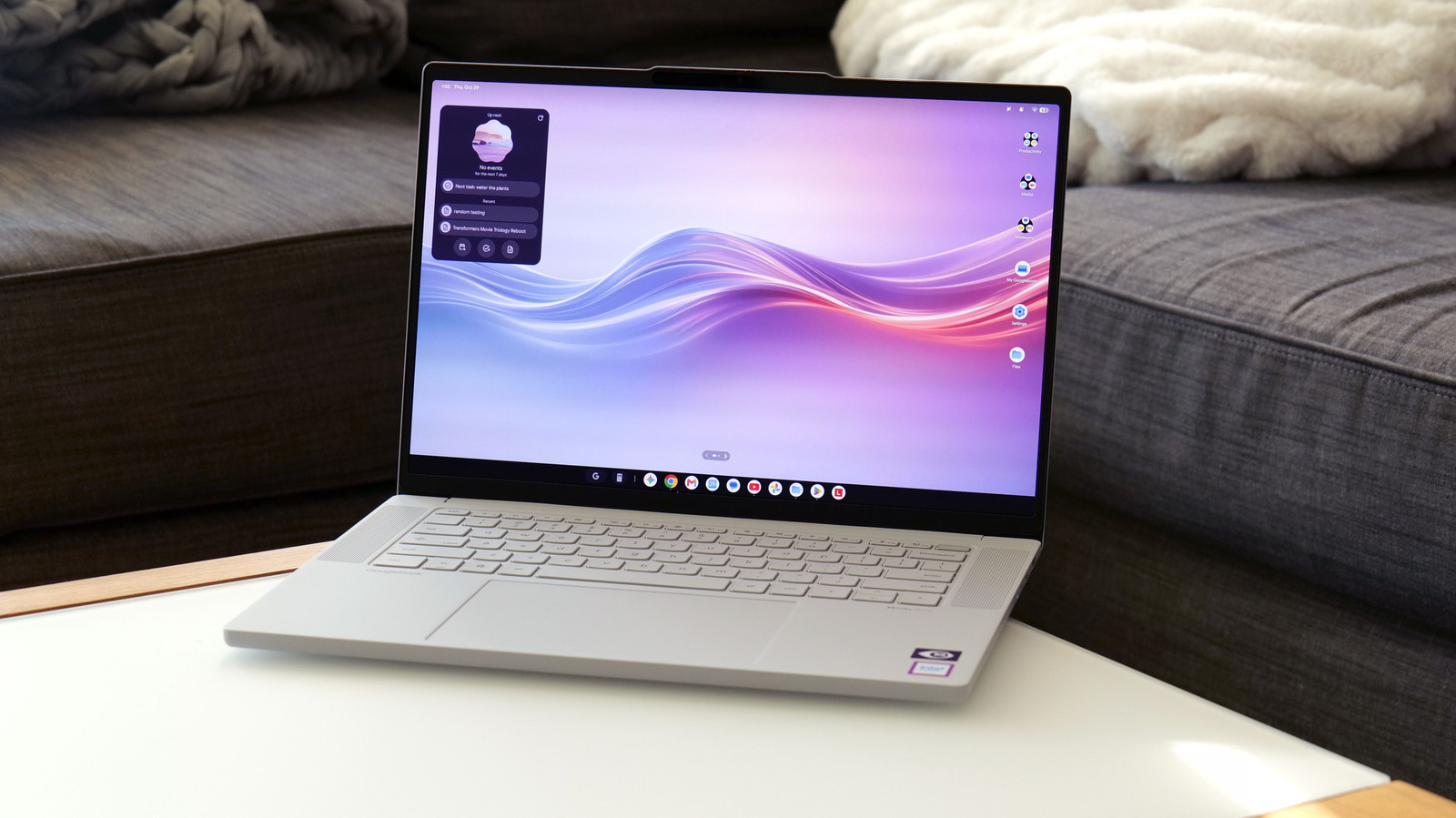
Two of the stories are pure maintenance. Ars Technica reports that the latest Windows 11 update brings right-click menu improvements alongside a cloud recovery option for PCs that will not boot. Engadget reports that Google fixed an annoying Photos bug that hid edited images from other apps. Neither item changes what the software is for. Both change whether it works the way users expect.
The pattern matters because maintenance is where trust is built or lost. A right-click menu is the most-used surface in Windows for many users, and a cloud recovery path addresses the worst moment in a PC's life. A Photos bug that hides edited images from other apps is exactly the kind of failure that makes a cloud service feel unreliable even when the underlying feature is fine. For US consumers, the practical effect is that the difference between competing platforms increasingly comes down to whether the boring parts hold up.
The cost pressure underneath
The Windows story carries its own context: Ars Technica frames the update against sliding PC revenue. That is the constraint that shapes everything else on this list. When hardware sales weaken, vendors lean harder on the software and services already installed, and the cheapest way to do that is to improve what exists rather than ship something new. Updates that polish menus and add recovery options are low-cost, high-visibility work.
That same pressure is visible on the enterprise side. SiliconANGLE reports that Hewlett Packard Enterprise cut executive status meetings by building no-code apps on monday.com. The detail worth holding onto is why: as the outlet describes it, the value of no-code apps is highest when the people closest to the work build them. A status meeting is a coordination tax, and replacing it with an app means moving coordination into software rather than conversation. For US enterprises watching software budgets, this is a familiar trade: fewer meetings, less custom development, more reliance on platforms employees can configure themselves.
Platforms as the maintenance layer
The HPE example and the F5-Oracle story point at the same structural shift. SiliconANGLE reports that F5 and Oracle plan to bring F5's web application and API protection to customers running workloads on Oracle Cloud Infrastructure, and that the arrangement for now rests on a nonbinding memorandum of understanding. Nothing has shipped under a binding contract; the two companies have agreed to try.
That is worth stating plainly because it is characteristic of how infrastructure vendors now handle security. Rather than ask customers to bolt on a separate layer, the plan is to integrate protection directly. For US companies running workloads on Oracle's cloud, the appeal is fewer moving parts and one fewer vendor relationship to manage. The caution is equally plain: a nonbinding agreement is an intention, not a product, and buyers should treat it as such until terms are signed.