AI Platforms Are Becoming the New Developer Runtime

Photo: TechCrunch

Article

AI Platforms Are Becoming the New Developer Runtime

NagiOctober 30, 20263 min read

Google, Prophecy and Altera all point to the same shift: the AI assistant is turning into the surface where developers build, run and ship their work.

The common thread in this week's developer news is not AI capability but AI as a distribution surface. Google is opening Gemini and Search so outside services can plug into its AI experiences, Prophecy is moving data workflows inside ChatGPT, Claude and Copilot, and Altera is pairing new programmable chips with an agentic software strategy for AI developers. In each case the developer's target is no longer a standalone app or a conventional API alone, but an AI assistant that mediates what gets built and who gets to use it.

The assistant becomes the runtime

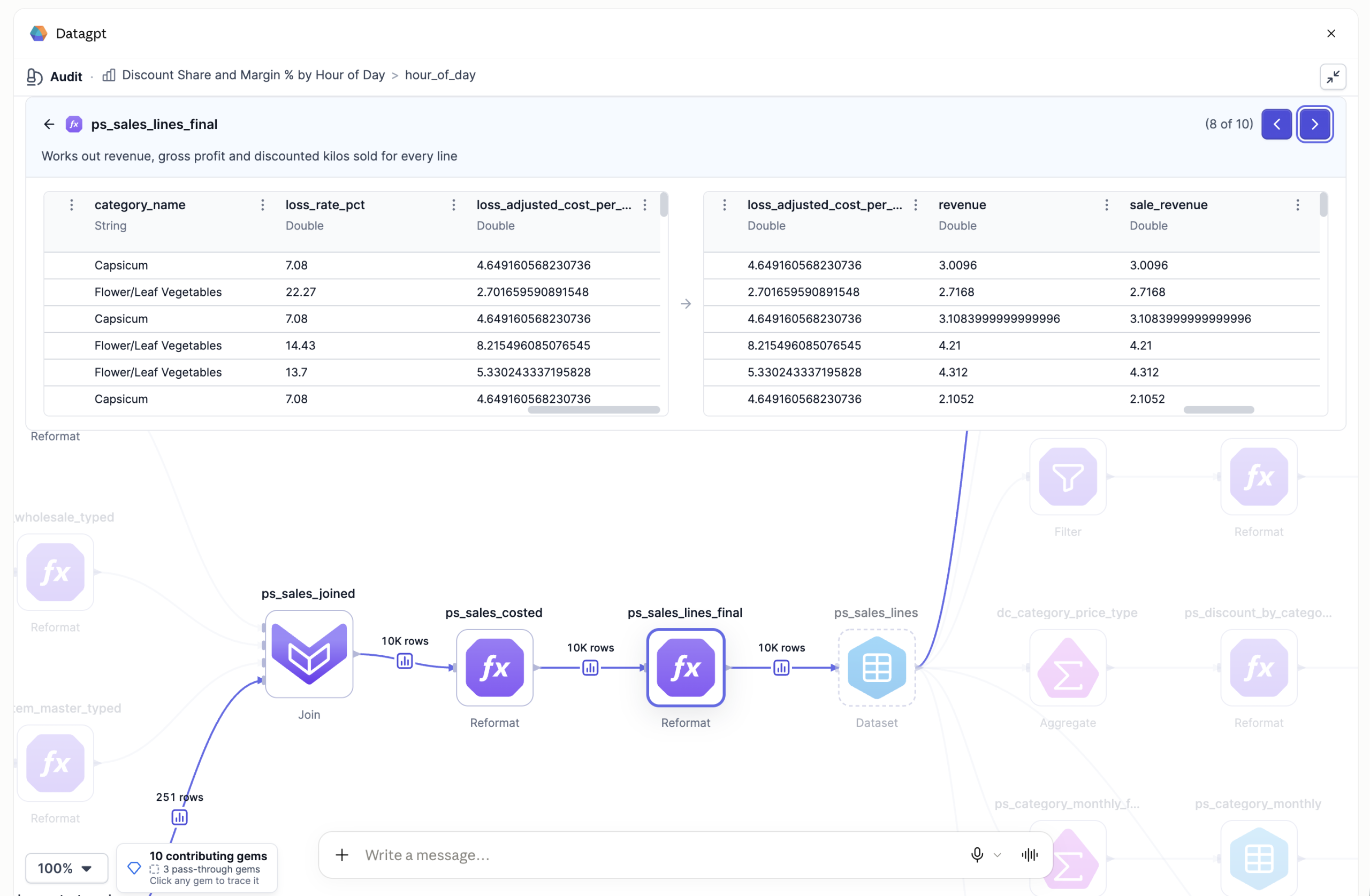
Prophecy's DataGPT, reported exclusively by SiliconANGLE, is the clearest illustration. The service lets business analysts run complete data workflows from inside ChatGPT, Claude and Copilot, with each answer arriving alongside a visual map of the steps that produced it. That traceability matters for developers and analysts who need to trust and audit automated work, and it signals where execution is moving: into the chat window rather than a separate data tool. Prophecy is explicitly going after a workaround that has become common, which is an admission that users already treat general-purpose assistants as their working environment. The developer opportunity is to build for that environment rather than beside it.

Google widens the front door

Google's move, as TechCrunch reported, is a new developer platform that lets businesses bring their services to Google's AI experiences. That is a distribution play aimed at changing how consumers discover and use apps. For US developers, it reframes the integration question: the decision is not simply whether to expose an API, but whether to be present inside the surface where users ask questions and delegate tasks. Google's scale in Search gives it unusual leverage here, and the platform's design will determine whether third-party services are partners in that experience or interchangeable answers behind it.

The data-workflow test case

Data workflows are a demanding first test for this model because they combine natural-language requests with consequential operations and a need for verifiable steps. Prophecy's step-by-step visual map is a design pattern worth watching, since it addresses the audit problem that has slowed adoption of agentic tools in regulated US enterprises. If analysts can run and inspect workflows inside an assistant they already use, the pressure shifts to traditional data platforms to justify a separate interface. The competitive question for US software companies is whether they control that workflow or rent access to it from an assistant provider.
Hardware follows the same logic

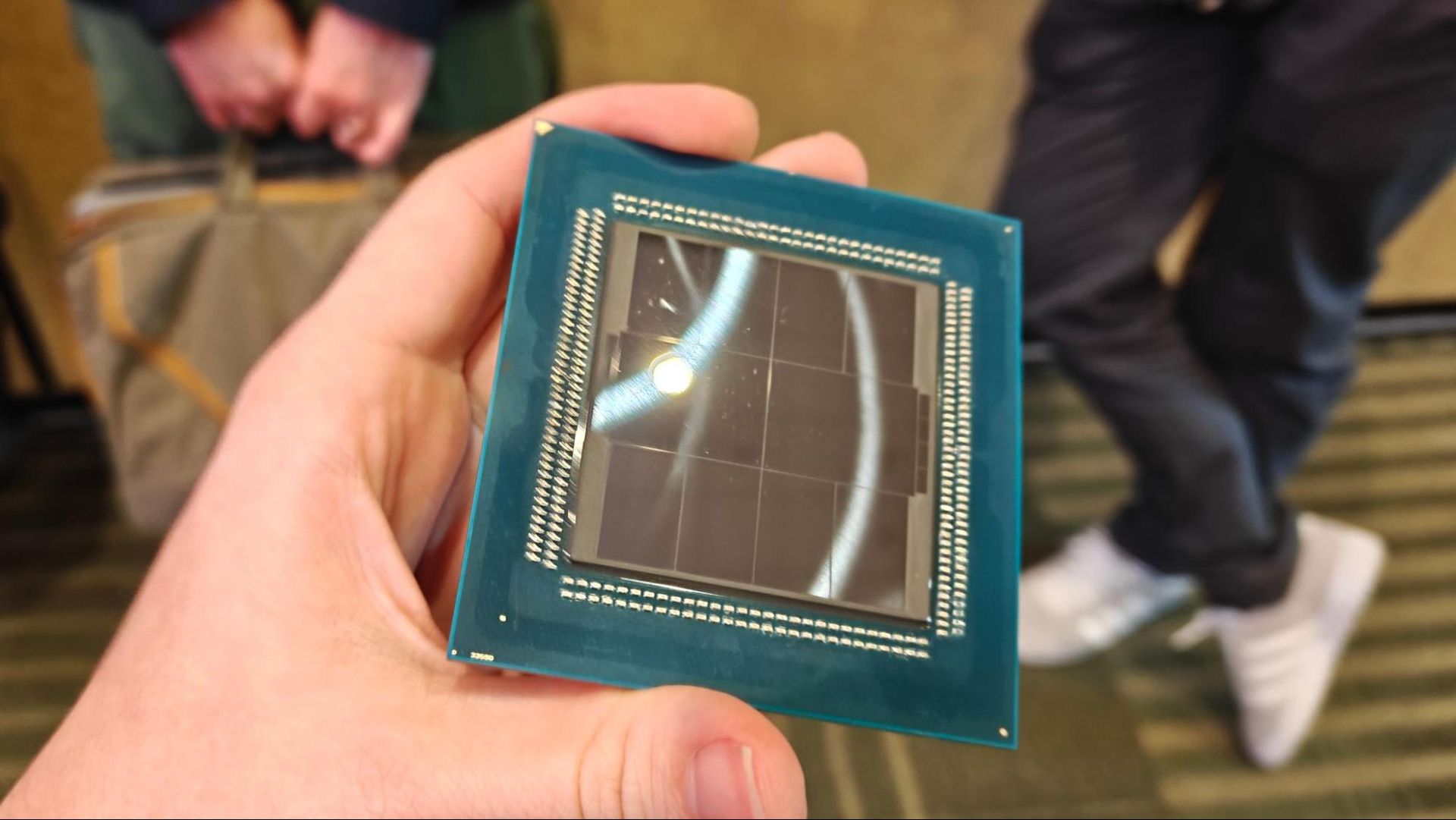
Altera's Agilex 2X announcement, via SiliconANGLE, extends the pattern down the stack. The portfolio of field-programmable gate arrays and system-on-chip devices targets AI infrastructure, robotics, communications and intelligent edge systems, with the first family, Agilex 27, aimed at applications demanding high throughput and bandwidth. What ties it to the software stories is Altera's stated agentic software strategy designed to accelerate development. Programmable hardware has long demanded specialist expertise; framing it around AI-assisted development suggests Altera expects agentic tooling to lower that barrier and widen its developer base. For US chip and systems companies, that is a bet that software experience, not just silicon specifications, will decide who wins edge and infrastructure design work.

What this means for US developers

Three practical consequences follow. First, integration work is being repriced: connecting a service to a major assistant platform may matter more than building another standalone interface. Second, portability becomes a strategic concern, since Prophecy's approach spans three competing assistants while Google's platform ties services to its own experiences. Developers serving US consumers and enterprises will need to decide how many surfaces to support and how much logic to keep outside any single assistant. Third, observability is becoming a product feature rather than an afterthought, as the visual step map in DataGPT shows. Teams that can show how an answer was produced will have an easier time selling agentic workflows into US organizations with compliance obligations.

What to watch

The next signals are concrete rather than speculative. Watch how Google's developer platform actually onboards outside services and whether it preserves room for third-party brands inside Gemini and Search. Watch whether Prophecy's DataGPT expands the range of workflows it supports inside ChatGPT, Claude and Copilot, and whether the step-map approach becomes a convention other vendors copy. Watch whether Altera's agentic software strategy produces tooling that draws developers without FPGA backgrounds into Agilex 2X, particularly for edge and robotics projects. Each of these will show whether the assistant really is becoming the developer's runtime, or remains one channel among several.

Sources: TechCrunch, SiliconANGLE.

More on this beat: Software on TechManNews.

#AI platforms#developer tools#agentic workflows#data engineering#FPGA#app distribution

Newsletter

Get Tech News in Your Inbox

The latest AI, gadgets, software and startup stories from TechManNews, delivered every morning - free.