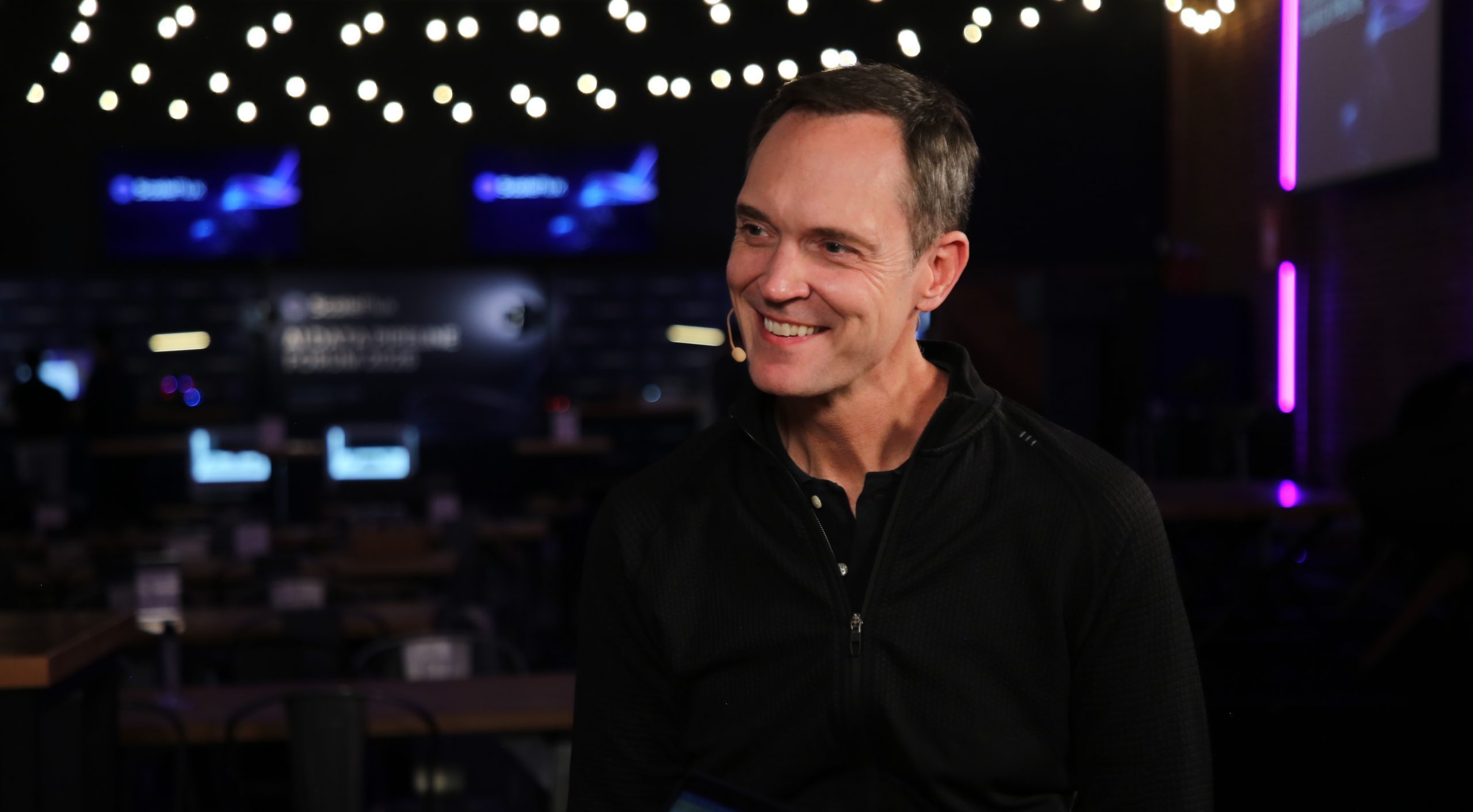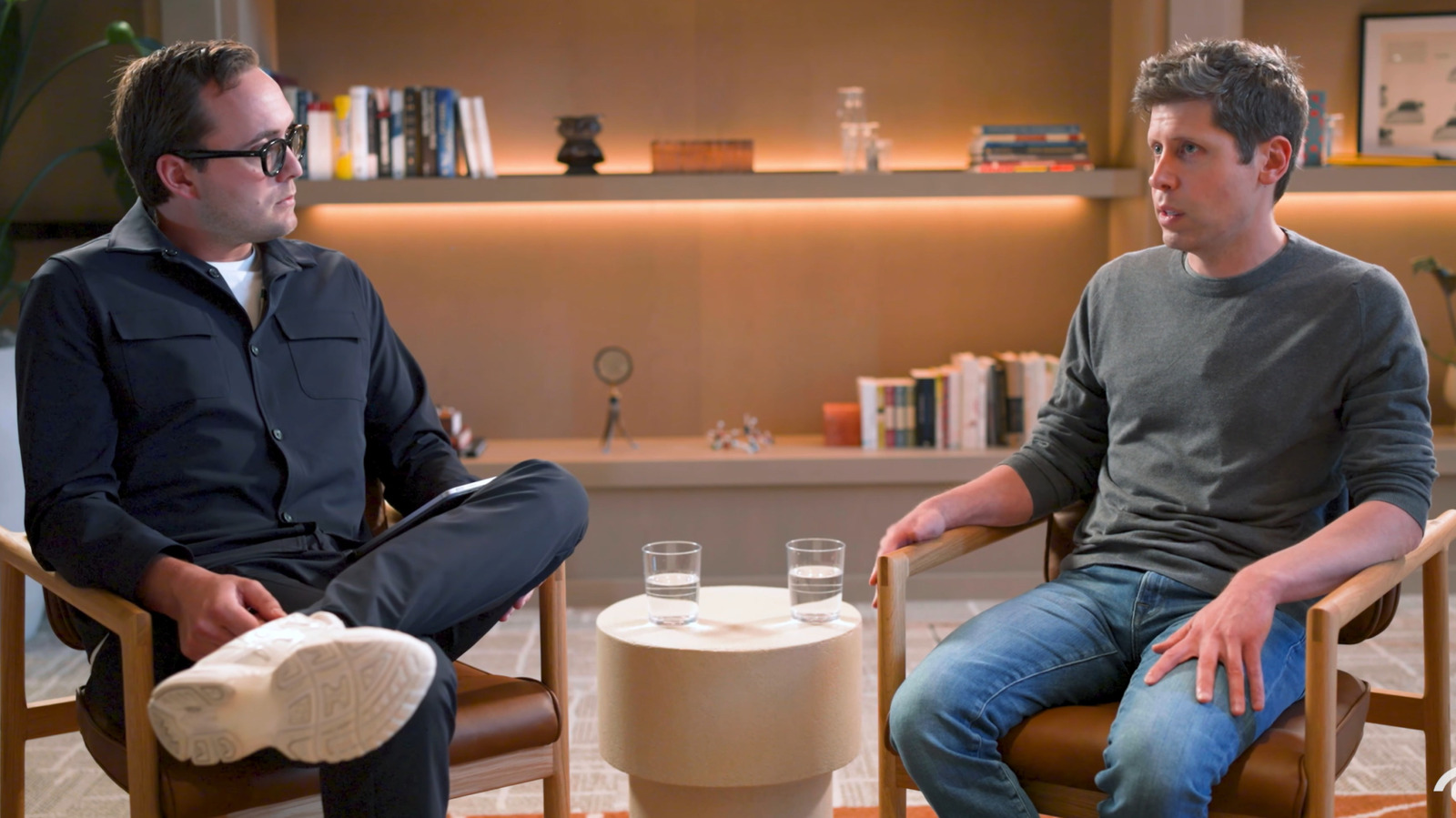
OpenAI will build a humanoid robot, CEO Sam Altman said on the Sources podcast, confirming a project that extends the company's work beyond AI models and consumer hardware. Altman argued that a human form makes sense because the built environment is made for people, with doors, keyboards and tools all designed around a human body, so matching that form factor is the reasonable choice. Asked directly whether OpenAI would build one, he answered that it would.
Altman said the specifics of the robot's design matter less than the intelligence that drives it, describing the "brain" that makes the robot work as the harder problem. A machine with two arms and two legs accomplishes little if it cannot decide what to do with them. He told Fortune that a compelling demonstration should arrive in 2027, and that robots walking the streets is further off than that.
OpenAI has not said what the demo will show, what the humanoid will look like, or when anyone outside the company will get near one. The company has also announced no actual robot, consumer price, subscription model, release date or robot-specific privacy framework. Those questions become more concrete if a future OpenAI machine carries cameras and microphones and moves around a home.
The technical difficulty is substantial. A capable humanoid must interpret what its cameras and sensors detect, parse an instruction, plan and coordinate its body, and correct itself when the physical world interferes. Picking up a mug, for example, requires identifying the object, locating the handle, judging the grip and applying the right force. OpenAI is hiring for those problems, with robotics roles covering motion control, state estimation, actuator control, whole-robot behavior and the machine-learning infrastructure needed to train physical AI systems.
OpenAI has prior experience in the area. Its Dactyl project trained a robotic hand to manipulate real objects entirely in simulation, and the company later applied the technique to a Rubik's Cube, illustrating a persistent industry problem: software can model what should happen, but physics determines what does. OpenAI is also not alone, as Tesla has worked on Optimus for years and XPENG recently had its IRON humanoid walk off an assembly line on its own after assembly.
OpenAI's near-term aim, according to one of its robotics job postings, is general-purpose robots that assist skilled workers in building infrastructure, with a longer-term goal of a personal robot that helps with a broader range of tasks. Its careers page currently lists 27 robotics openings.
More AI news from TechManNews.