The iPhone and Android Tax Nobody Budgeted For

Photo: Engadget

Article

The iPhone and Android Tax Nobody Budgeted For

Apple Intelligence work, Verizon's $10 Handoff fee and Android's storage squeeze show smartphone ownership is becoming a bill paid in time, money and maintenance.

NagiOctober 17, 20265 min read

The newest costs of owning a smartphone have less to do with the handset and more to do with what happens after purchase. Three recent stories on this beat point the same direction: whether it is Apple Intelligence work on an iPhone, Verizon's $10-a-month charge for iPhone Handoff, or the storage squeeze on an Android phone, the burden lands on the owner. The pattern matters for US consumers and for the companies selling to them, because it shifts where value is captured and where friction accumulates.

Features Become Projects

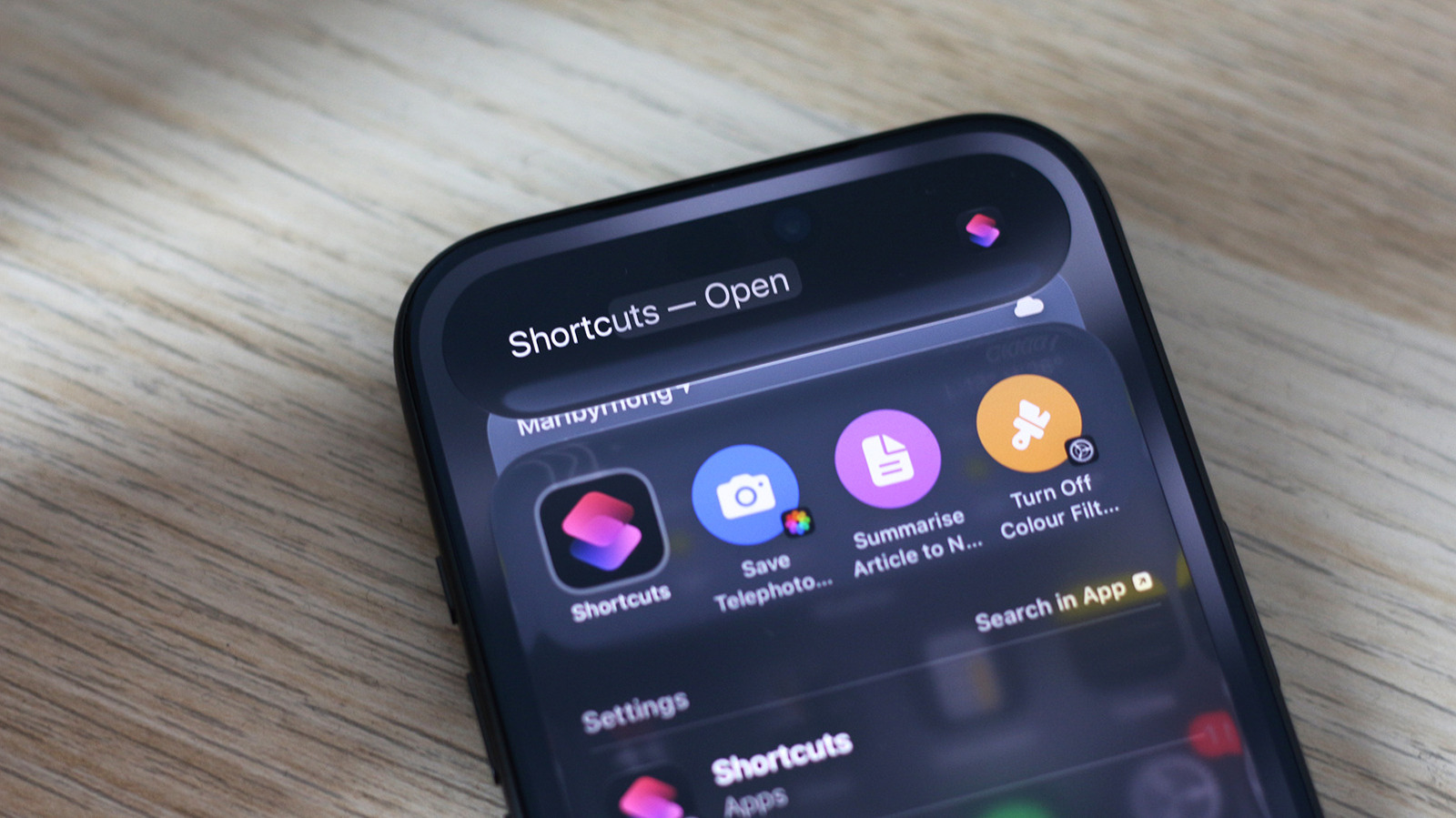
Engadget's recent guide to creating iPhone Shortcuts with Apple Intelligence carries an unusually honest subtitle: when it works, it works. That is not a dismissal of the feature so much as a description of its current state. Building a Shortcut is not a tap-and-go transaction. It is a project, one that requires deciding what the automation should do, assembling it, testing it, and troubleshooting it when it does not behave. The payoff is real, but the cost is paid in time and attention rather than dollars.

That is a meaningful change in the smartphone bargain. Apple has long sold iPhones on the premise that complex tasks are handled for the user. Apple Intelligence arrives with the same marketing logic, but the practical experience described by Engadget is closer to a toolkit than a service. A toolkit is valuable, and a capable user can build genuinely useful shortcuts with it. But the value has to be extracted through work. For US consumers accustomed to features that simply function out of the box, that is a different kind of ownership. For Apple, it also means the feature's reputation will rest on whether users are willing to invest that effort, not just on whether the underlying capability is impressive.

The Subscription Creeps Into the SIM

Verizon's plan to charge $10 a month for iPhone Handoff, as Engadget reported, is a cleaner example of the same shift. Handoff lets a customer share the same number across two devices. It is a convenience feature, not a new phone and not a new line of service in the traditional sense. Verizon has decided it is worth a recurring charge.

The sum is small enough that many subscribers will absorb it rather than fight it. That is precisely what makes it notable. US carriers have spent years converting one-time hardware purchases into recurring revenue streams, and this is the same logic applied to a software-level capability. The consumer gets a genuinely useful thing: one number, two devices, less friction. The carrier gets a monthly line item. The question for the US market is not whether $10 is a fair price in isolation. It is how many of these small charges a household will tolerate before the phone bill stops resembling a phone bill and starts resembling a stack of subscriptions.

There is a competitive angle as well. Features like Handoff are the kind of thing that can differentiate a carrier, but only if rivals do not offer it free or bundled. If they do, Verizon's charge becomes a retention risk rather than a revenue stream. US carriers will be watching subscriber reaction closely, because the price is small enough to test tolerance and visible enough to generate complaints.

Storage Is the Quiet Recurring Cost

Engadget's look at what is actually eating storage space on an Android phone rounds out the pattern from the other direction. The piece starts from a familiar predicament: the phone is running out of space, and the owner needs to figure out why and get rid of old files. The answer is rarely a single villain. It is accumulation, and dealing with it is maintenance work.

This is the least glamorous of the three stories and arguably the most representative. Storage pressure is a structural feature of modern smartphone ownership, not a bug. Photos, apps, cached data and downloads build up, and the owner is the one who has to audit and clean. The alternative, buying more storage or a cloud plan, is another recurring cost. Either way, the squeeze is resolved by the consumer paying, in money or in time.

For US consumers, the practical consequence is that the advertised sticker price of a phone understates what ownership actually costs. For Android handset makers and cloud providers, it is a reminder that storage is a lever: generous local storage reduces friction, and stingy storage pushes users toward paid plans. The Engadget piece does not argue for either approach, but it documents the work that falls to the user when the balance is wrong.

The Same Bill, Three Currencies

Put together, the three stories describe one shift. The smartphone is becoming a platform that asks for ongoing investment, and the investment is denominated in three currencies: time, subscription dollars and maintenance effort. Apple Intelligence Shortcuts cost time. Verizon Handoff costs dollars. Android storage cleanup costs effort. None of these is unreasonable on its own. The pattern is what deserves attention.

This has a specific implication for US technology companies. Features that require user effort do not scale the way features that just work do. If Apple Intelligence is to justify its place in the iPhone story, the company needs the shortcut-building experience to become simpler, not just more powerful. If carriers continue to meter conveniences, they need to be confident that subscribers see the value clearly enough not to churn. And platform owners on both sides have an interest in making storage management less of a chore, because a phone that constantly nags about space is a phone that generates dissatisfaction with the platform, not just with the files.

For US consumers, the implication is budgeting. The handset price is the entry fee. The recurring costs, whether a carrier feature charge or a storage subscription, and the recurring time costs, whether building automations or cleaning up files, are part of the real total. That total is not hidden, but it is spread across enough small moments that it rarely gets added up.

What to Watch

Three things are worth tracking against these stories. First, whether Apple Intelligence shortcuttery gets simpler over time, since Engadget's account suggests the current experience depends heavily on user persistence. Second, how Verizon's $10 Handoff charge is received and whether competing carriers respond with included or bundled versions, which would tell us how much of a convenience premium the US market will bear. Third, whether Android storage guidance shifts from user cleanup toward better default management, because the current arrangement puts the audit on the owner.

None of these stories is dramatic. That is the point. The pattern is the slow conversion of the smartphone from a product you buy into a relationship you maintain, and the maintenance is billed in whatever currency the company finds most convenient.

More on this beat: Gadgets on TechManNews.

#smartphones#apple intelligence#verizon#android#consumer costs#carriers

Newsletter

Get Tech News in Your Inbox

The latest AI, gadgets, software and startup stories from TechManNews, delivered every morning - free.