The gadget business is sorting itself into two piles. On one side are products that do one familiar thing well and ask little of the buyer; on the other are ambitious, expensive devices whose demand outruns supply and whose timelines slip. The four stories on this desk this week look unrelated, but they map onto that split with unusual clarity, and they suggest where US hardware companies are most likely to find durable buyers.
The Return of the Deliberately Simple
The Verge's report on Bose's new wired earbuds is the clearest signal. The story notes that after Apple removed the headphone jack from the iPhone in 2016, most buyers moved to Bluetooth earbuds and never looked back. That is the conventional history, and it is still mostly true. But the same report observes that wired earbud sales rose in 2026 after five years of decline, and that part of the resurgence is tied to the category being seen as cool.
That is a meaningful data point for the US market, because it is not a story about technology improving. Wired earbuds have not gained new capabilities. They have gained cultural permission. A product that was written off as obsolete has found buyers again because it is simple, legible and free of the small anxieties that accompany wireless gear - pairing, charging, battery degradation. The Verge's framing is worth taking seriously: simple in the best way is a selling proposition, not an apology.
Demand That Outruns the Calendar
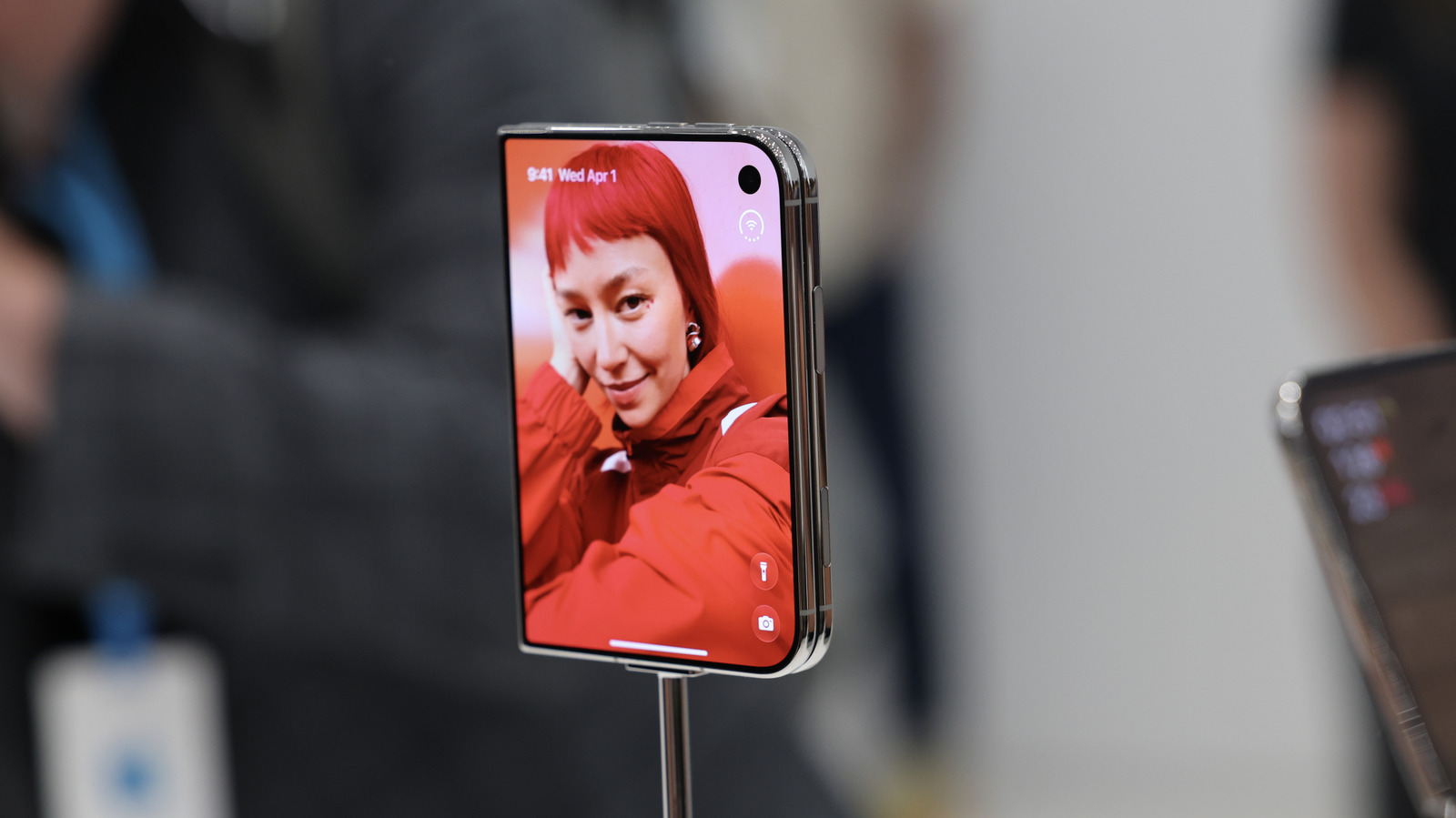
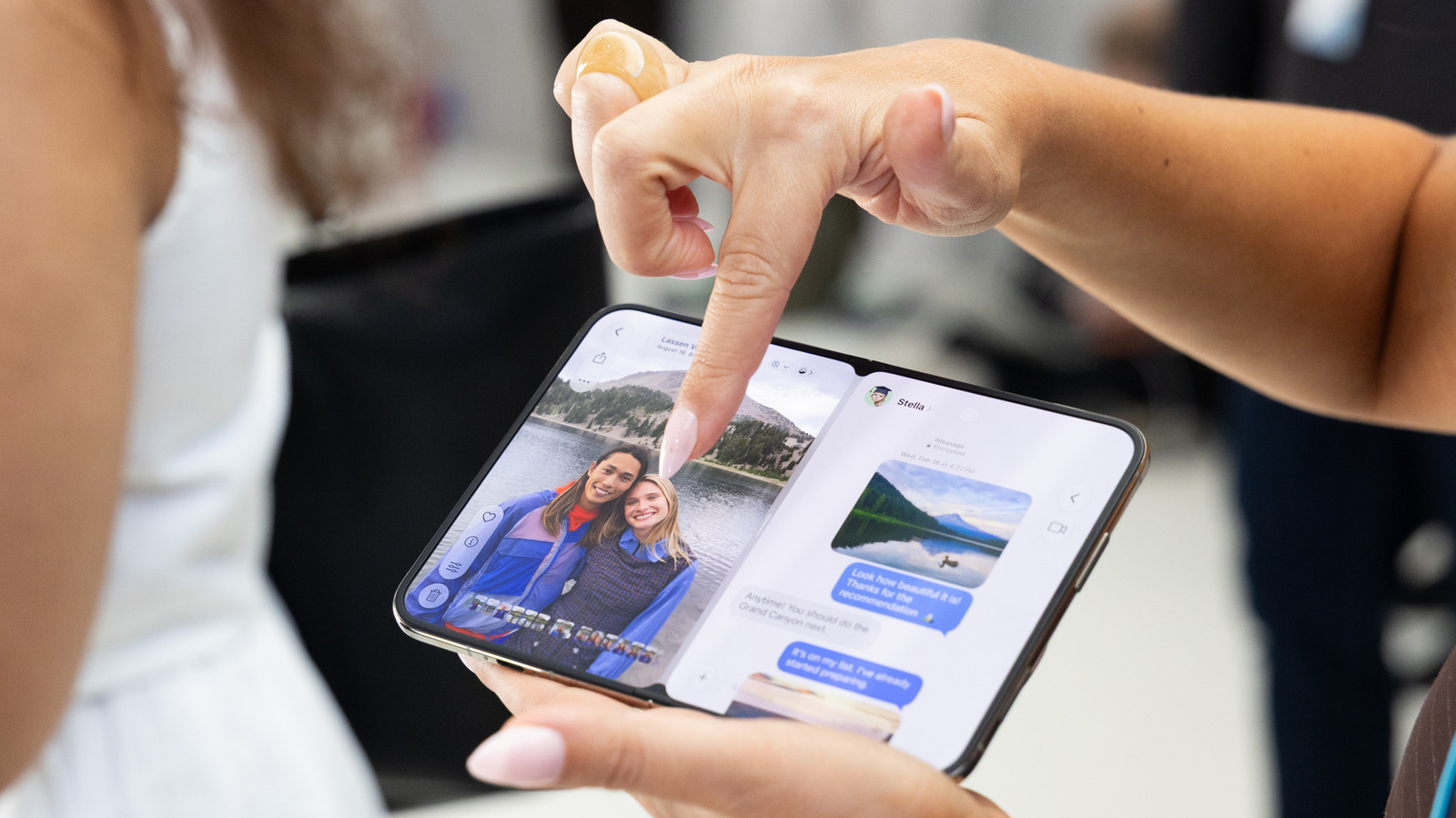
At the opposite end, Engadget reports that shipping estimates for the iPhone Duo have already been pushed back to 2027, with Apple calling early demand nothing short of extraordinary. The word extraordinary is doing a lot of work in that sentence. A shipping estimate that reaches into next year is not a supply-chain footnote; it is a statement about how much demand the company chose not to, or could not, plan for.
For US consumers, the practical result is a decision made in the abstract. A buyer who wants the device now is really buying a promise with a date attached, and that date sits in a different calendar year. For US technology companies, the lesson cuts both ways. Scarcity can function as marketing, signalling that a product is desirable enough to be unavailable. But it also hands the intervening months to competitors and to the second thoughts of people who were merely curious.
Nostalgia as a Product Category
Engadget also reports on leaked gameplay that purports to show a canceled Assassin's Creed game set in ancient China, noting that Assassin's Creed Jade is still something to look forward to. The leak is a fragment, and the canceled project exists only as footage someone else obtained. What matters for this analysis is the appetite it reveals. A game that was never released is generating attention years after it stopped existing, which tells you something about how much of the audience is anchored to the series' past rather than its present.
That is the same current running through the wired earbud story. Both are cases of consumers assigning value to things that are older, simpler or unfinished, in preference to whatever is newest. In the US market, where upgrade cycles have lengthened and subscription fatigue is real, familiarity is a feature. It is cheaper to sell someone a recognizable pleasure than to teach them a new one.