Apple and its Android competitors are diverging at a moment when the smartphone market itself is contracting, and the week's pre-order news makes that split concrete. Apple is opening iPhone Duo pre-orders on Friday, October 16, and is already letting buyers set up their orders through its Get Ready tool, as Engadget reported. At the same time, Apple's share of a shrinking smartphone market rose even as shipments fell, with Samsung and Apple posting decent quarters while Xiaomi, Oppo and Vivo had a terrible Q3, according to Engadget. The thread running through these stories is that execution at the point of sale has become the deciding advantage in smartphones, and the companies that treat the purchase itself as a product are pulling ahead of those that do not.
The Pre-Order Window As a Product
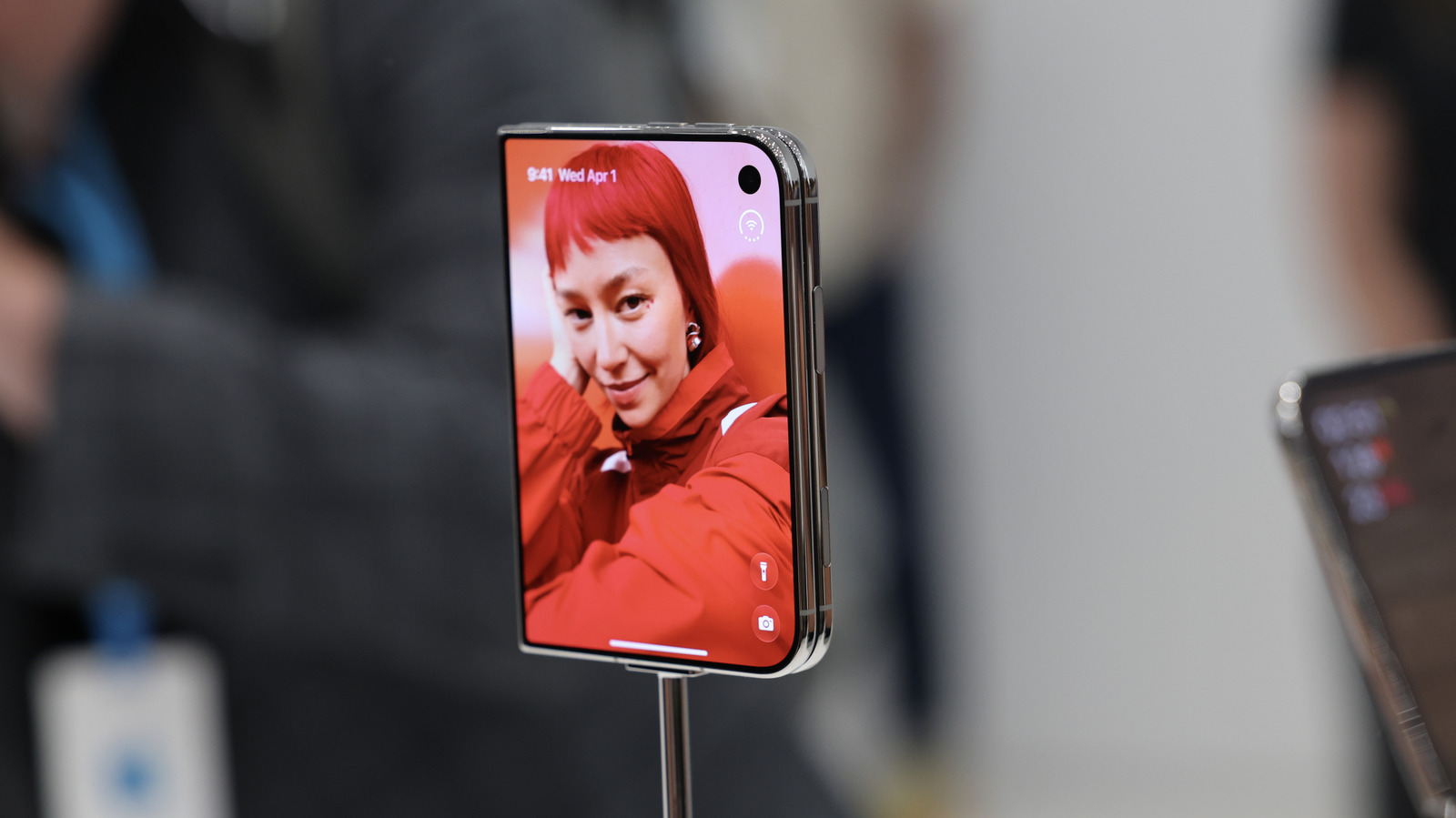
Apple's Get Ready tool is easy to dismiss as a convenience feature, but it represents something more consequential for the US market. Pre-orders for the iPhone Duo open on Friday, October 16, and Apple is allowing customers to configure and stage their orders before the window opens, as Engadget reported. That transforms a high-traffic, high-anxiety event into a scheduled transaction. For consumers, it reduces the chance that a launch-day rush ends in a missed delivery window or a sold-out configuration. For Apple, it converts demand into committed orders earlier, giving it a cleaner read on which models and storage tiers to prioritize.
This matters specifically in the United States because the premium smartphone market here is heavily carrier-financed and trade-in driven. The purchase decision is not a single click but a sequence: choose a device, value a trade-in, select a financing plan, confirm a carrier. Anything that shortens that sequence reduces drop-off. Apple is treating the pre-order pipeline as part of the product experience, and the effect is that its launch weekends are more predictable than those of rivals who still rely on a scramble.
Share Gains in a Contracting Market
The second signal is starker. Apple's iPhone market share rose despite a downturn in smartphone shipments, as Engadget reported. Samsung and Apple had decent quarters, while Xiaomi, Oppo and Vivo had a terrible Q3. That combination is unusual and instructive. When overall shipments fall but a premium vendor's share climbs, the market is not simply shrinking evenly. It is shifting toward the upper end, and the vendors most exposed to the middle and lower tiers are absorbing the damage.
For US technology companies, the implication is that the domestic market rewards pricing power and brand durability more than unit volume. Apple is not growing because more phones are being sold. It is growing because it is capturing a larger slice of a smaller pie, and because its customers are willing to transact at higher price points even when the broader category is soft. That is a defensible position in a downturn, but it is also a warning: the growth is share-based, not market-based, which means it can only continue as long as competitors keep losing ground.
That is precisely what the Q3 results suggest. Xiaomi, Oppo and Vivo do not have a deep foothold in the US carrier channel, so their weakness registers mostly as a global signal. But it feeds back into the US market by shaping which vendors can afford to invest in the software, support and retail relationships that American buyers expect. A vendor losing share in a down quarter has less room to fund those things.
Google's Timing Problem in Phones
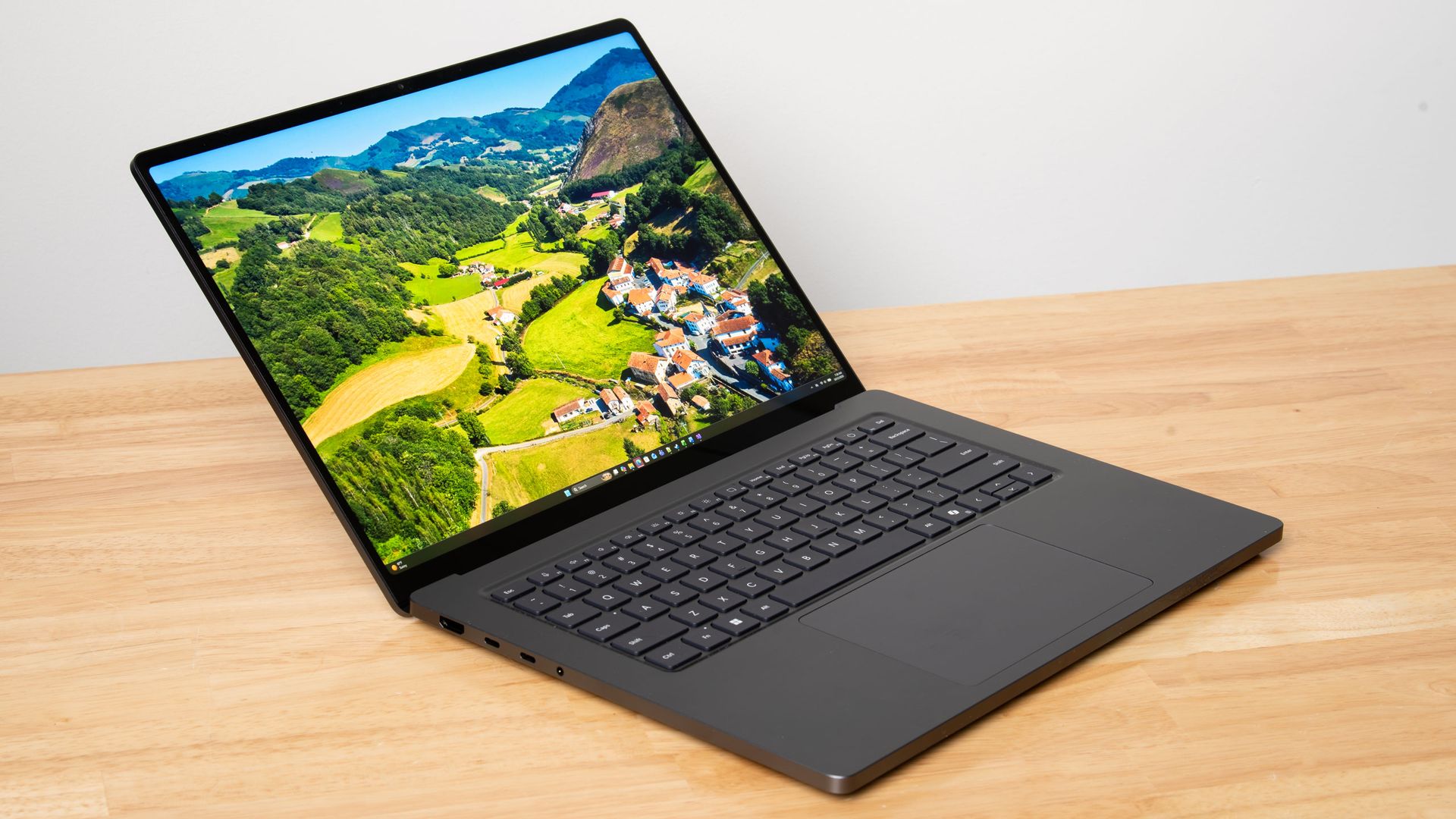
The third story points at a different kind of failure. Google attempted to take its Chromebook platform upscale with Googlebooks, but the timing could not have been worse, as Tom's Hardware reported. Phone support at launch is extremely limited, and most people use Android phones and Chromebooks because they are cheap. This is a smartphone-beat story because it is fundamentally about how Google's phone ecosystem is positioned. The company is trying to move a value-oriented platform upmarket at a moment when the premium tier is consolidating around Apple and Samsung. The result is a product line whose phone integration is thin at launch, aimed at buyers who were attracted to the platform for its low cost in the first place.