The recent run of gadget news points to a single thread: the premium tier is widening, and companies are betting that a meaningful slice of US buyers will pay substantially more for hardware that does something their current device cannot. A touchscreen MacBook, a $5,900 Windows laptop, a streaming box priced near twice its predecessor at launch, and a magnetic pouch that expands a phone's storage all assume the same thing - that capability, not price, is now the selling point. That is a departure from the past several years, when the dominant story in consumer hardware was downward pressure on prices and the race to the bottom of the midrange.
Microsoft Tests the Ceiling
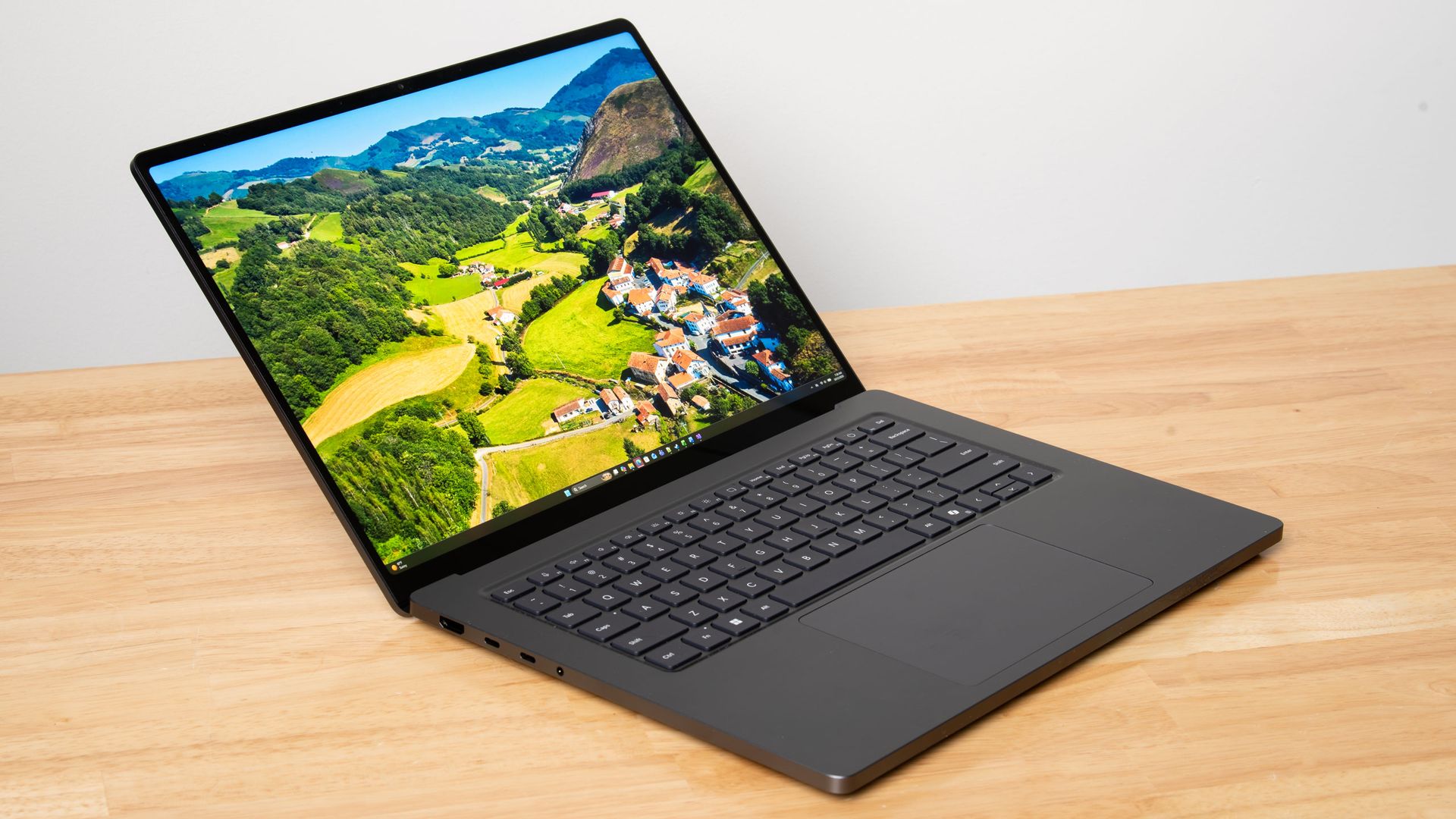
The clearest example comes from The Verge's review of the Surface Laptop Ultra, which opens with the reviewer staring at the machine and trying to work out what he would actually do with a $5,900 laptop. That uncertainty is the point. The Verge describes the device as resembling a MacBook Pro in design, with a bright display, and notes that Microsoft has teamed up with another party to build it. This is not a mass-market machine. It is a statement product aimed at buyers who need performance or capability that a standard Windows laptop cannot deliver, and who are willing to pay a price that would once have been reserved for workstation-class hardware. For US consumers, the practical effect is that the ceiling on laptop pricing keeps rising, while the floor stays roughly where it was. The midrange does not disappear; it simply stops being where the interesting engineering happens.
The MacBook Gets a New Input
Apple's forthcoming touchscreen MacBook, which ZDNET reports is days away from an unveiling, fits the same pattern. A touchscreen on a Mac has been resisted for years, and adding one is not a cost-reduction move. It is an expansion of what the product can do, and it will presumably sit at the top of the lineup rather than replace the cheapest model. The report also hints at another OLED surprise, which suggests display technology is being used as a differentiator in the same way. The pattern here is that Apple is adding capability to its most expensive portable rather than making its least expensive portable more capable. For US buyers, that means the entry point to the Mac experience is unlikely to change much, while the top of the range becomes more distinct from it.
Streaming Boxes Join the Top Tier
The Apple TV 4K is the least expensive product in this set, and it still illustrates the trend. As The Verge reported, the new model was announced earlier this week and costs nearly twice as much as the 2022 model did at launch. Amazon has already offered the first discount on the forthcoming box, which arrives on November 13th, just days after it discounted Apple's new smart display for the first time. Two things are worth separating here. First, the launch price itself moved up sharply, which is the premium-tier story in miniature. Second, the discount arrived almost immediately, which is the countervailing force. Apple can set an ambitious price, but US retail is competitive enough that the effective price consumers pay may settle well below it. The Verge frames the discount as very small, which is itself informative: retailers are testing how much room they have, not slashing to clear inventory.