The chip industry's center of gravity has moved away from the process node. Three recent stories on this beat point to the same pattern: the constraints shaping semiconductors in 2026 are commercial leverage over memory pricing, export controls enforced with criminal penalties, and software that shortens design and simulation work. None of them is about a smaller transistor.
Memory Pricing Becomes a Political Fight
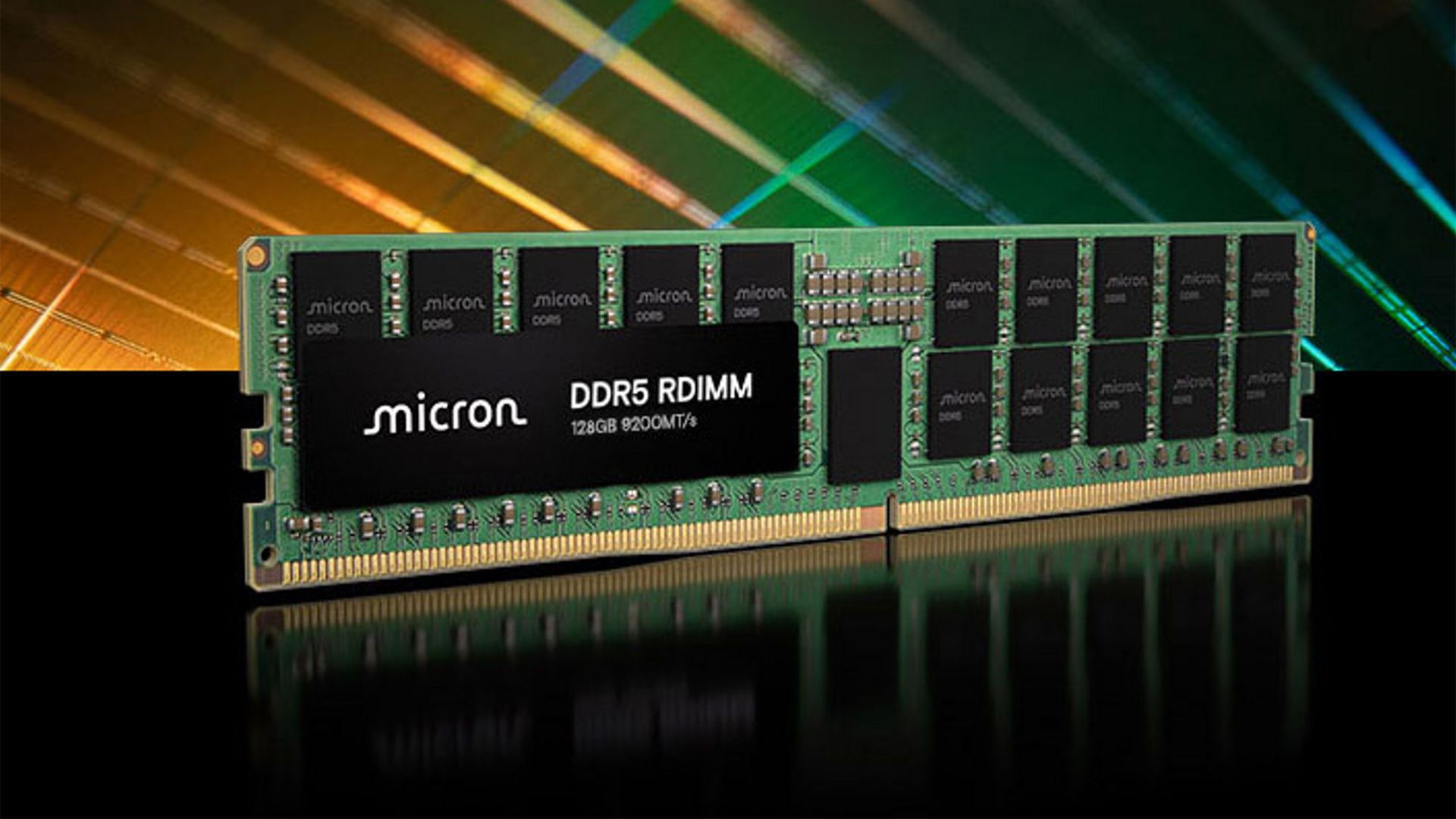
Elon Musk's public criticism of memory makers over what he called "extortionate" chip pricing, reported by Tom's Hardware, is notable less for the complaint than for the exception he carved out. Musk singled out Micron as playing smart for long-term loyalty, according to Tom's Hardware. That is an unusual thing for a major buyer to say in public: it splits memory suppliers into those seen as extracting short-term rent and those seen as building durable relationships.
For US technology companies, the significance is that memory pricing has become a subject of public commentary from one of the largest consumers of chips rather than a quiet line item in procurement negotiations. Buyers of memory for AI systems, servers and consumer devices have an interest in suppliers being treated as partners rather than toll collectors, and Musk's remarks put that preference on the record. The framing also carries weight because Micron is the most prominent US-based memory manufacturer, which gives the distinction a domestic dimension beyond the usual supplier-versus-customer haggling.
The pattern matters because memory has repeatedly been the most volatile part of the semiconductor supply chain. When a prominent buyer publicly praises one supplier's approach, it signals that allocation and pricing behavior are being watched, and that reputation may carry commercial consequences in future purchasing decisions.
Export Controls Grow Teeth
Taiwan's move to expand the Foreign Trade Act so that AI servers and semiconductors fall under its controlled exports, with prison terms of up to five years for illicit shipments to China, as Tom's Hardware reported, shows how enforcement is being ratcheted up rather than softened. The headline number is the penalty; the structural change is that a broader category of hardware is now formally caught by the controls.
This matters directly for US technology companies. Taiwan is a central node in the production and distribution of AI hardware, and controls administered there complement the restrictions the United States has imposed. Export compliance is no longer a matter of checking a list of specific chips; it now reaches entire systems built around them. Companies that ship through Taiwanese partners, or that rely on Taiwanese manufacturing and distribution, face a compliance environment where the consequences of misjudging a shipment are criminal rather than merely administrative.
For the US market, stricter enforcement in Taiwan can reduce leakage of advanced AI hardware to China, which is the stated policy goal. The trade-off is friction: more documentation, more scrutiny of end customers, and longer timelines for legitimate sales. Firms that treat export control as a legal formality rather than an operational discipline are the ones most exposed.
Design Tools Compete on Time
On the design side, Vinci4D's emergence from stealth and its work on physics-driven AI for chip design and simulation, as SiliconANGLE reported, illustrates the third part of the pattern. Simulation is described as a hardware engineer's best friend, adept at finding issues in product designs and avoiding a disastrous deployment, but orchestrating it has required specialized skills and a lot of time.