The thread: novelty versus the practical upgrade
The three stories on this beat point in one direction. A first-generation Android laptop arrives unfinished, while a 100W four-port GaN charger and a 27-inch WOLED gaming monitor both sell on deep discounts. The pattern is that the laptop and PC market in late 2026 is rewarding incremental, price-driven improvements in the hardware people already own far more than it rewards a new software platform trying to redefine the category. For US buyers, that means the safest money is still going into accessories and displays, not into a new class of machine.
Android on a laptop is not a new category yet
Ars Technica's Googlebook review makes the central point plainly: Android on a laptop is still Android, and Google has a lot of work ahead to make it good. That is not a throwaway line. It is a warning that the first wave of Android laptops is arriving before the software has been reshaped for keyboard, trackpad and windowed work. A desktop operating system earns its place through file management, multitasking, peripheral support and the boring reliability of sleep and wake. A mobile operating system ported to a clamshell does not automatically clear that bar, no matter how good the hardware underneath is.
That matters for US technology companies because the laptop is where productivity software, developer tools and enterprise management live. Any platform that wants to compete there has to satisfy IT departments, not just consumers browsing the web. Ars Technica's assessment suggests Google has not yet closed that gap. For US consumers, the practical consequence is that an Android laptop in 2026 is a bet on future updates rather than a machine that is ready today.
The discount story is the real demand signal
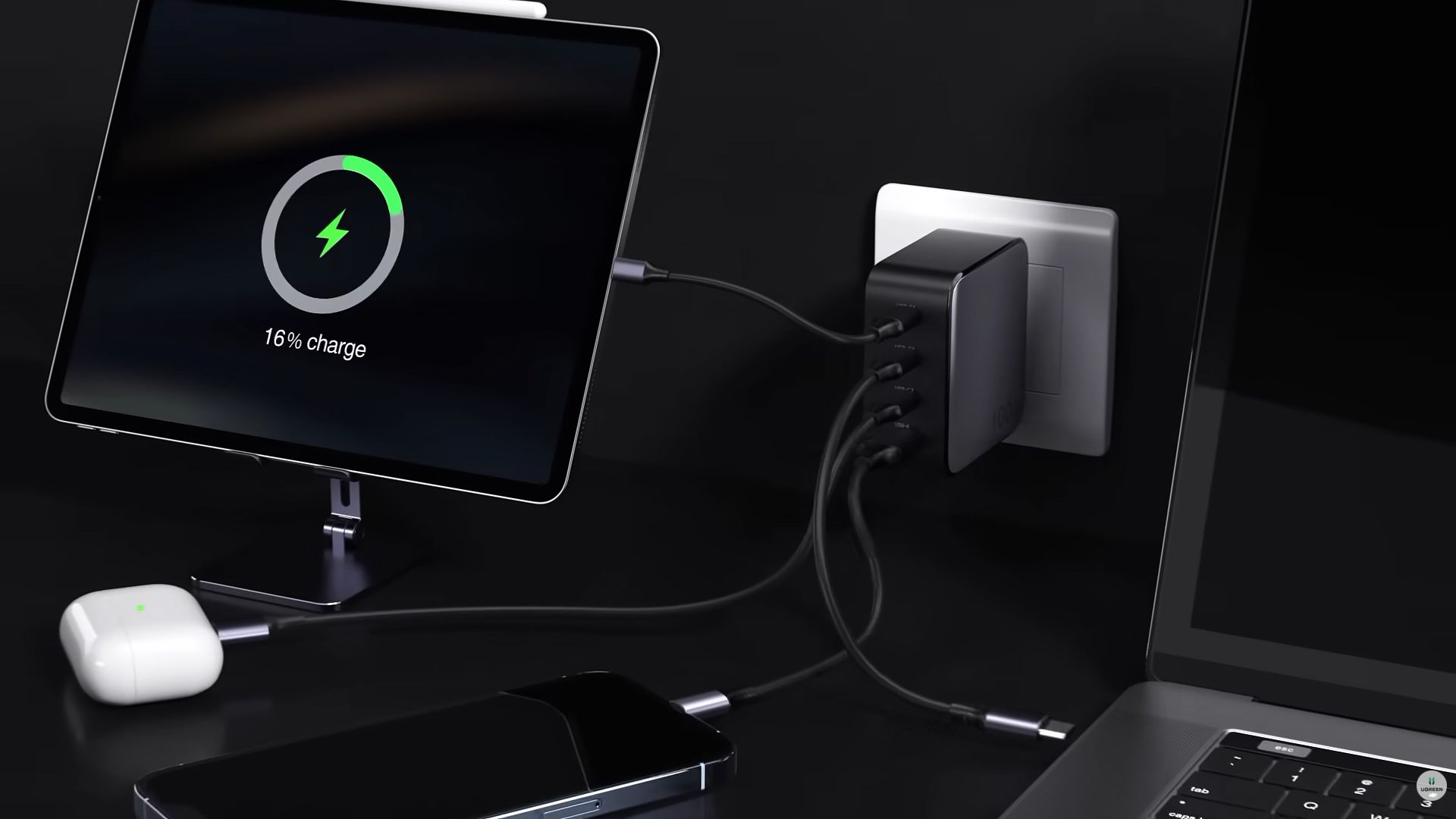
Against that backdrop, the other two stories are telling. Tom's Hardware reports that Ugreen's 100W four-port GaN charger has dropped 27 percent, making it $15 cheaper on Amazon, with up to 100W delivered over USB Type-C. The same outlet reports that Asus' 27-inch Republic of Gamers WOLED gaming monitor is down to $384, a 36 percent saving. Two very different products, one shared characteristic: both are mature categories where competition and manufacturing scale have pushed prices down far enough to trigger genuine buying interest.
A 100W charger that can refill a laptop, a phone and a tablet is not exotic technology in 2026. GaN has been mainstream for years. What the discount shows is that the accessory layer around the PC has become a commodity market, and that is good news for US households running several devices. The WOLED monitor tells a similar story at a higher price point. WOLED panels were a premium proposition not long ago; a 27-inch gaming display at $384, per Tom's Hardware, indicates that the display supply chain has moved down the cost curve. For US consumers building or refreshing a desk setup, that is where the tangible value sits this month.
Where the money is actually going
Put the three stories together and a hierarchy appears. The new platform is unproven. The accessories and peripherals are cheap and useful. In a market like that, discretionary spending flows to the things that improve an existing machine rather than to a machine that requires a new software ecosystem to justify itself.