Performance used to be a spec sheet argument. In the logged stories this week, it is something closer to a design constraint: silicon is being positioned around how fast it can move real work, not how high it can spike on a benchmark. The OnePlus 16, Analogue's refreshed retro consoles, and Cerebras' inference pitch have almost nothing in common as products, yet each sells a processor story about sustained throughput under a particular kind of load.
The Phone That Sells Silicon
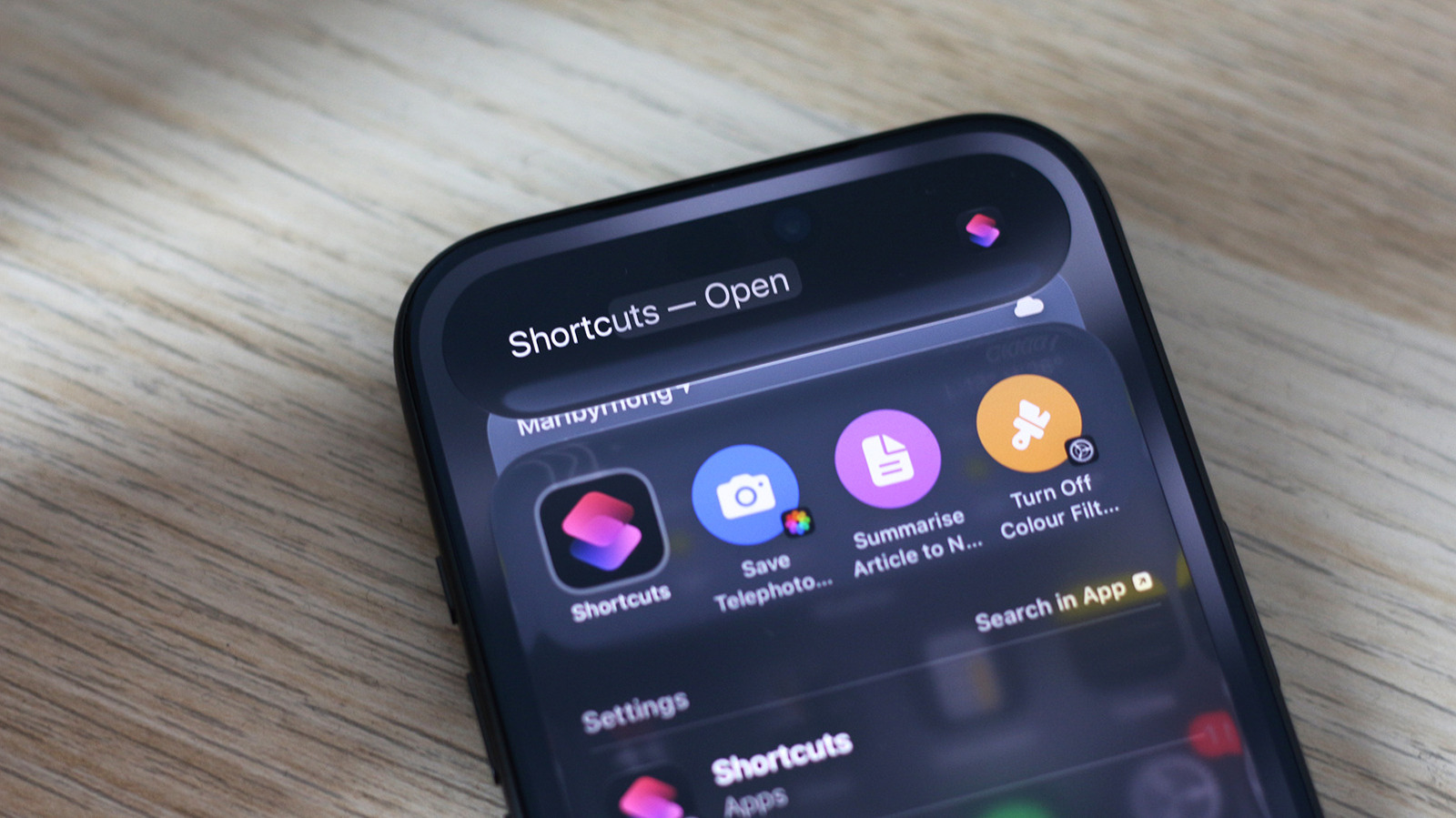
The OnePlus 16 launched in China today, the company's first flagship since it quit the US and European markets this summer, as The Verge reported. The outlet's framing is instructive: the phone is positioned around performance, built on a Snapdragon 8 Elite Extreme Gen part, and The Verge calls it the company's most interesting phone in years. For US readers, the immediate relevance is indirect but real. OnePlus is no longer selling flagships into the US market, so the Snapdragon part in this device is a showcase for Qualcomm's platform that American consumers will mostly encounter in other vendors' handsets.
The deeper point is what OnePlus is choosing to emphasize. A flagship phone is a thermal and power budget problem before it is anything else. The chip has to deliver responsiveness across long sessions, not a single burst. Positioning a phone around performance is a claim about sustained behavior, which is why these launches are increasingly a referendum on the silicon inside rather than on the software around it.
Retro Consoles as Processor Arguments
The second story is easy to read as nostalgia. Analogue announced new versions of its Super Nt and Mega Sg retro consoles today, with a reworked industrial design and built-in wireless connectivity for controllers and accessories, as The Verge reported. The new Super Nt Plus and Mega Sg Plus play Nintendo and Sega Genesis cartridges using an FPGA processor.
That detail matters more than the design language. An FPGA implementation is a processor strategy: rather than emulating hardware in software on a general-purpose chip, the logic itself is reproduced in reconfigurable silicon. The performance claim is fidelity under real cartridge workloads, sustained across a library rather than tuned to a demo. Analogue is a small player, but the product line is a useful reminder that processor differentiation does not only come from chasing clock speeds. It also comes from matching the silicon's structure to the job.
Cerebras Makes Speed the Product
Cerebras Systems, which raised $5.5 billion in its May 2026 initial public offering, built its business on making processors much faster, according to Andy Hock in SiliconANGLE's report. The company is now highlighting an inference speed advantage in agentic workflows. The reported argument is that agentic workflows are making speed a condition for whole classes of AI applications to exist, and that the fastest tokens will determine which platforms win the next phase of AI.
That is a processor thesis, stated plainly. In agentic systems, a model is called repeatedly in sequence, so latency compounds. A platform that is marginally faster per step can enable applications that are not viable at all on slower silicon. Cerebras is taking a public company's capital and using it to argue that sustained token throughput, not peak training performance, is the metric that matters next.