The laptop and PC market in 2026 is being pulled in three directions at once: prices are climbing, the software running underneath the user's work is more opaque, and the identity of the platform itself is loosening. Each of the three stories logged on this beat recently looks separate. Together they describe a machine that costs more, hides more, and is defined less by the operating system that ships on it. That combination has direct consequences for US buyers and for the American companies that build and sell these devices.
The price side
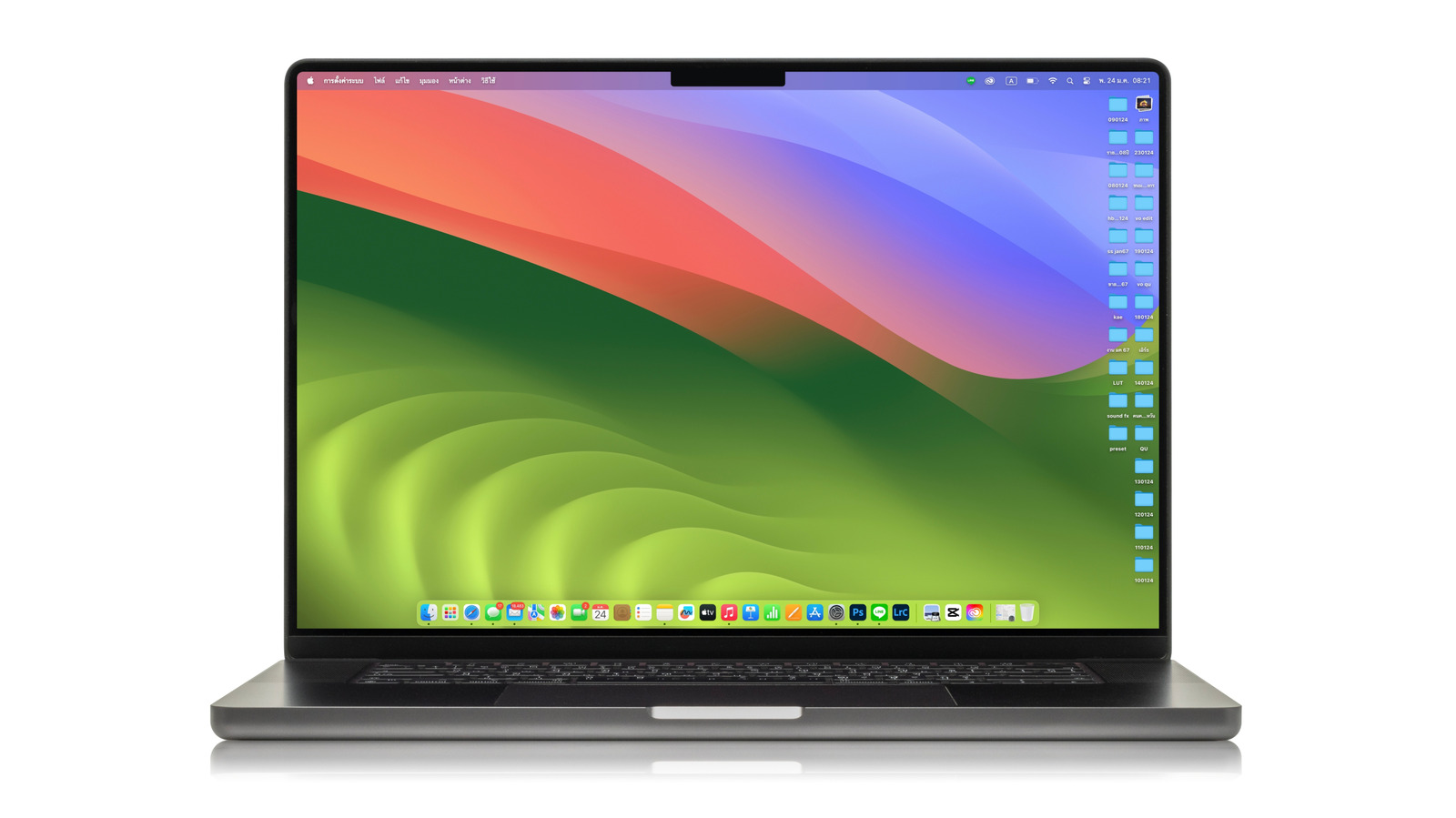
Engadget's comparison of MacBook Pro pricing in 2021 versus 2026 lands on a blunt conclusion: things are getting a lot more expensive. That is the clearest signal in the material, and it is worth taking seriously as a pattern rather than a single product's price change. When the benchmark premium laptop gets materially costlier over a five-year stretch, it resets expectations across the whole category. US consumers who were already stretching for a high-end machine now face a higher entry point, and the pressure does not stay confined to one brand. Rivals price against that benchmark, and the whole top of the market drifts upward with it.
For US technology companies, the dynamic cuts both ways. Higher prices protect margins on premium hardware, which matters for firms whose laptop businesses depend on premium buyers rather than volume. But they also narrow the pool of buyers willing to pay for the top tier, and they make every other compromise in the device more visible. A machine that costs notably more than it did in 2021 invites harder questions about what the buyer is getting for the difference. That is where the other two stories become relevant.
What's running underneath
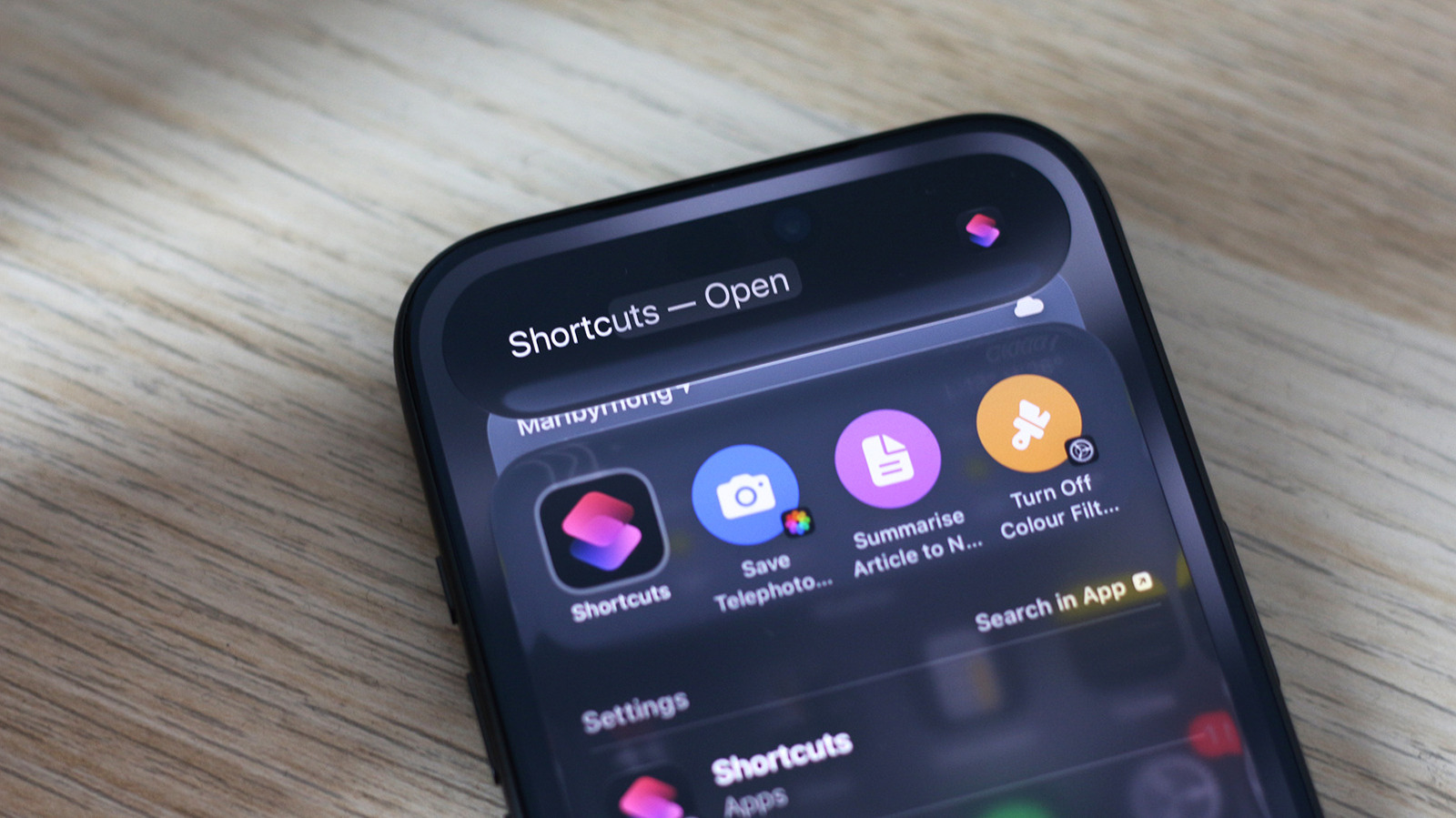
Engadget's piece on monitoring background processes makes a simple case: what a PC does in the background does not need to be a mystery, and users should know how to spot when something looks wrong. Framed alone, this is practical advice. Framed next to rising prices, it becomes an argument about value. If a buyer is paying more, the expectation of understanding what the machine is actually doing rises with the bill. Background activity is where performance, battery life and perceived reliability are quietly decided, and it is also where users have the least visibility by default.
This matters most for the Windows side of the US market, where the long tail of preinstalled software and background services has been a persistent complaint. The Engadget guidance implicitly acknowledges that the default state of a PC is not fully legible to its owner. That is an uncomfortable position for an industry asking consumers to spend more. Every dollar added to the price of a laptop raises the cost of the opacity the user is being asked to tolerate.
The platform stops being the point
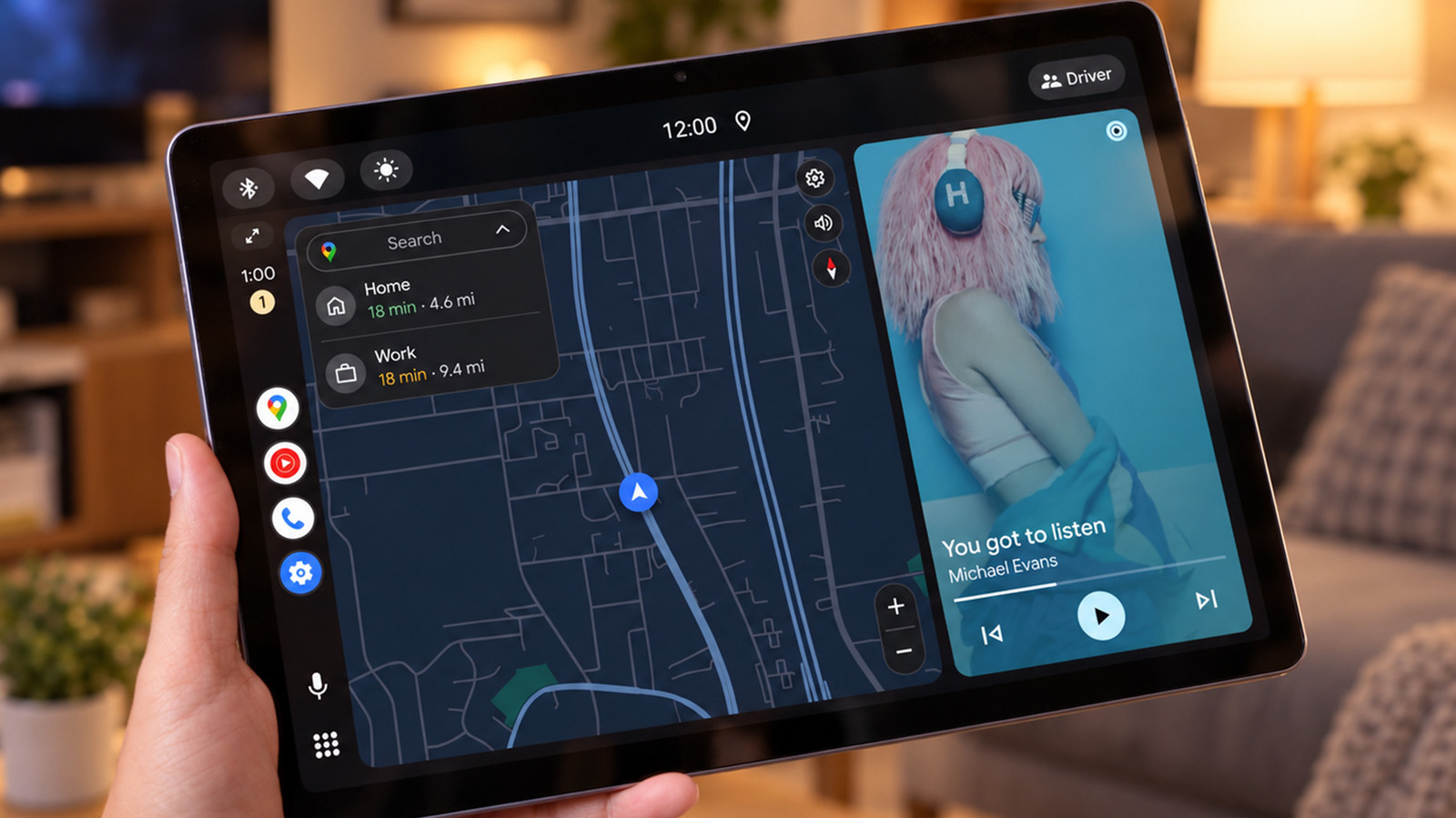
The Verge's first-week account of new Android-powered laptops is the most consequential thread of the three. The reviewer describes the experience as rocky, and the affection as slow to arrive: like, not love. Crucially, the verdict is that every moment that impressed came thanks to Android, whether through a native version of a useful app or a quick check of something else. That is a striking reframing. The operating system is no longer the wallpaper on a PC; on these machines it is the reason to consider them at all.
This is where the three stories connect. If the defining advantage of a new class of laptop is access to a native version of a useful app rather than the desktop platform itself, then the competition for US buyers shifts from the operating system to the software that runs on top of it. That is a meaningful change for the American companies that have built their PC businesses around a platform relationship. It also complicates the pitch for premium hardware: a machine can be expensive and still be judged on whether it runs the right apps well.