The stories logged on this desk share one thread: the hard part of technology in 2026 is no longer acquiring capacity, content, or even capable hardware. It is the operational software skill to run any of it well. Peacock's redesign, a breadboard 486, and a shakeout among AI-focused cloud providers look unrelated, but each shows the same gap opening between what can be built or bought and what can be run.
Content Is Cheap, Attention Software Is Not
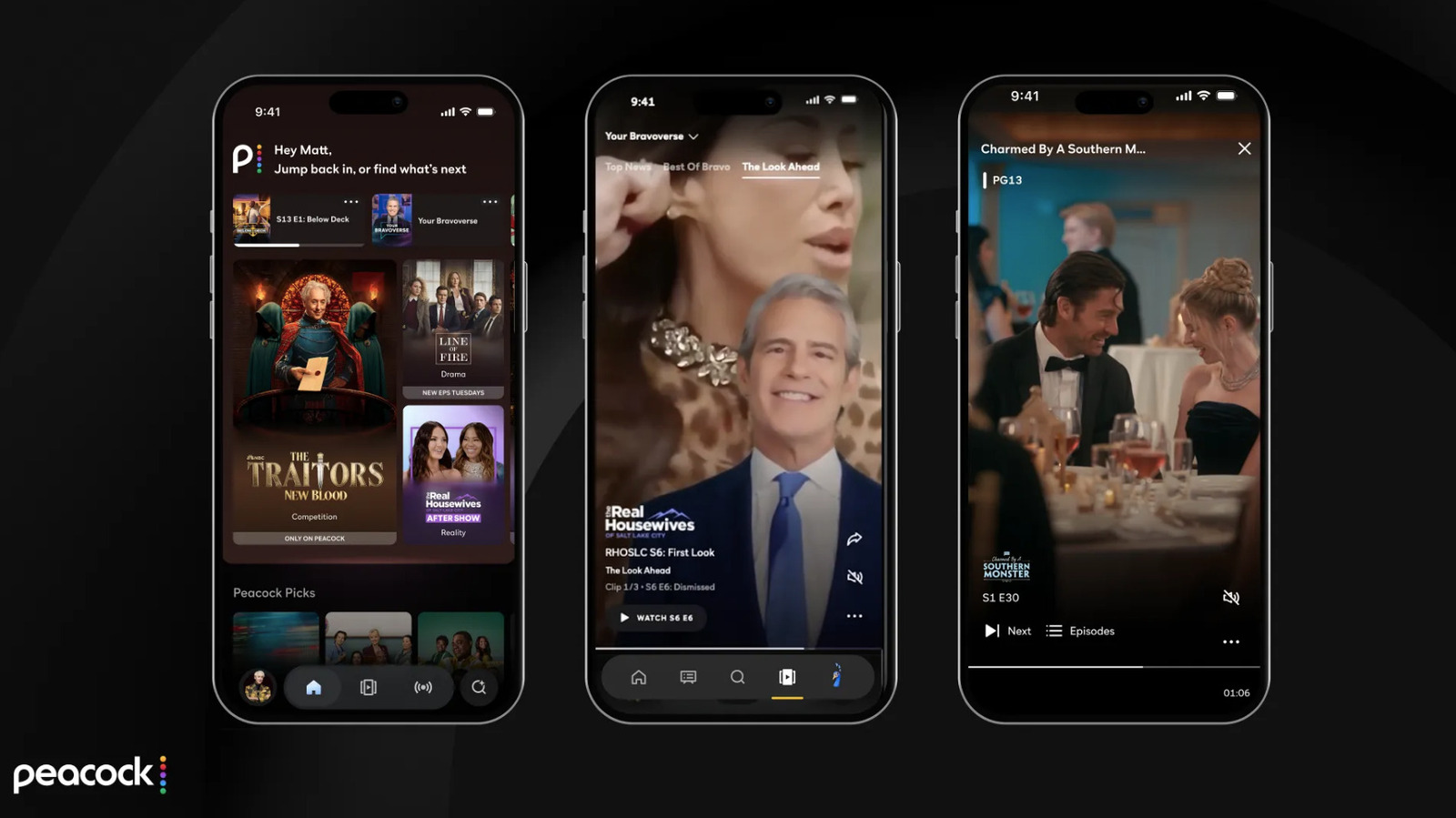
Peacock is redesigning its mobile app around vertical videos, according to Engadget, as an attempt to "win another hour per user, per month." That phrase is revealing. The streaming market is saturated with content that consumers can already reach; the scarce resource is the software surface that captures and holds attention. A redesign is not a content investment. It is an admission that the interface layer, not the library, is where incremental engagement is won. For US streaming subscribers, this likely means more short-form video crowding the app experience. For US media companies, it means the mobile product team is now as central to the business as the acquisitions team. Peacock is not alone in this logic, but its stated metric makes the shift explicit: the hour is the product.
Operational Skill as the Cloud Moat
SiliconANGLE's report on neoclouds makes the same point at infrastructure scale. AI infrastructure clouds have multiplied as GPU capital pours into new data centers, but standing up capacity is proving easier than running it at scale. Kubernetes has hardened into the operating layer for AI factories, and the cloud-native community holds expertise that many new providers lack. The KubeCon shift toward AI is a signal of where that expertise is being redirected. In plain terms: GPU capital is abundant, and the software discipline to operate fleets at scale is not. For US cloud buyers, this predicts a period of vendor consolidation and reliability differentiation rather than pure capacity competition. For US investors, the shakeout risk sits with providers whose business case was hardware and whose operational bench is thin. The winners are likely to be the ones treating Kubernetes and adjacent tooling as core competency rather than overhead.
The Retro Build as a Skills Signal
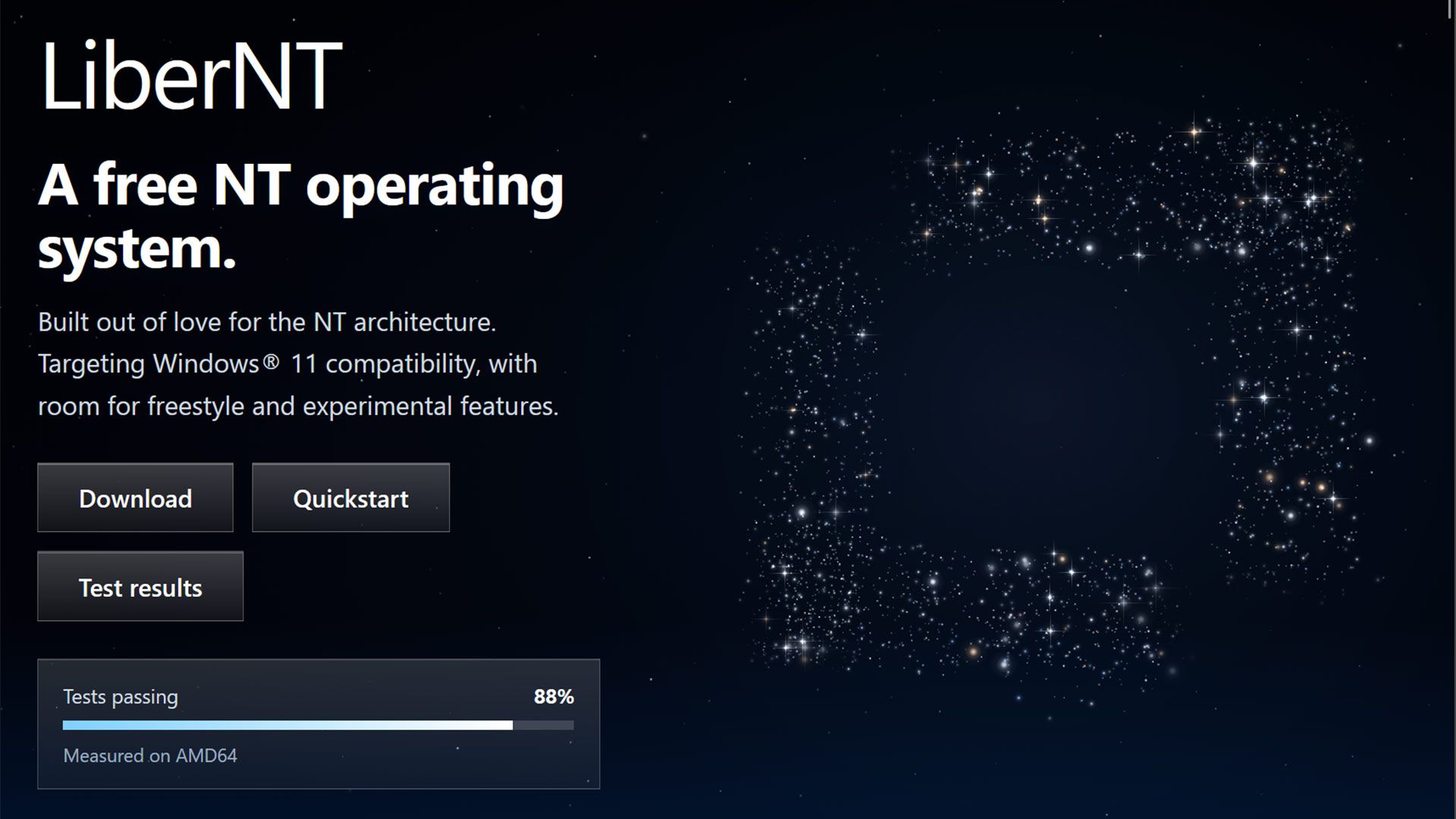
Tom's Hardware reports that an app engineer built a working 486 DX2 retro PC on a breadboard in just 16 days and immediately ran Doom. On its face this is enthusiast hobbyism. In context, it is a data point about the durability and portability of low-level systems knowledge. The engineer is identified as an app engineer, which matters: the skills to bring up a vintage PC on breadboard hardware sit at a different layer from application development. The story resonates because that layer is not disappearing; it is being revalued. As US companies push AI into every product, the people who understand what sits beneath the abstraction become disproportionately valuable. The breadboard 486 is not a business trend, but it is a cultural indicator that systems literacy is a prestige skill again.