The operating system is no longer just the layer that runs the hardware. Across three recent stories on this beat, it is increasingly the layer that decides what a device can do, what can be installed on it, and where the user's software actually lives. The pattern is not about any one vendor; it is about control migrating back toward the platform, and about how much that control is shaped by where the user happens to be.
Two Directions of Travel
The clearest counterpoint comes from sideloading. Engadget's guide to installing apps on an iPhone outside the App Store is framed around a specific problem: it promises to explain how to sideload "even if you're in the US." That framing is the story. Sideloading is presented not as a universal capability but as something that varies by jurisdiction, and the US is treated as the restrictive case rather than the default. For American consumers, the App Store remains the practical and intended route for software, and anything outside it is an exception that requires tools and effort. That is an operating-system decision expressed as a policy outcome, and it lands directly on US users.
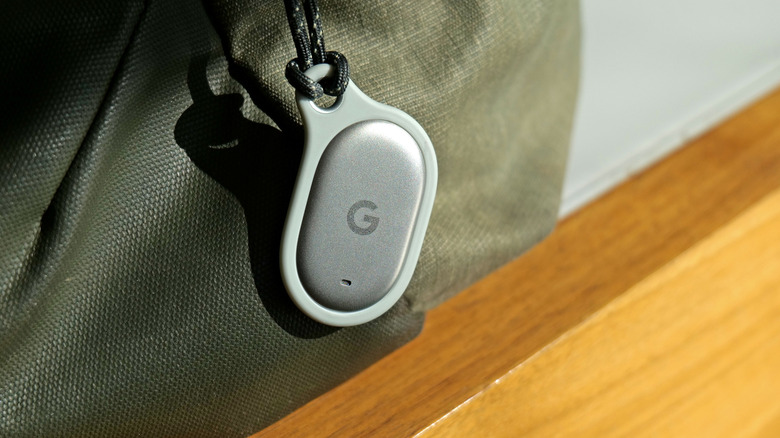
Google's Pixel Tag points the other way. Engadget's review describes a simple but effective accessory, Google's take on Apple's AirTag, and calls it a basic but still valuable tool for Android users. The significance is not the tracker itself but the pairing. The value accrues to people already inside Android, because the accessory is built to work with that platform's ecosystem rather than to be neutral across devices. The operating system is the gate through which the hardware becomes useful.
Hardware Designed Around the Platform
The Xreal Aura review sharpens the point. Tom's Hardware describes the device as lightweight glasses combined with a battery-powered Computing Puck, and characterises the combination of Android XR with the glasses as delivering a true next-gen spatial computing experience. Read on this beat, the interesting fact is not the glasses. It is that the computing model is anchored to Android XR, with a puck supplying the power and processing that the glasses alone cannot. The form factor is new; the dependency is familiar. The hardware is designed around the operating system, not the other way around.
Why This Matters in the US
For US technology companies, the three stories describe a market in which the platform holder sets the terms of participation. An accessory vendor builds for Android or for Apple's ecosystem, and its addressable audience is defined by that choice. A software developer weighing distribution outside official channels faces a US environment that Engadget's framing treats as the harder case. A hardware maker building spatial computing must pick an operating system before it can ship. In each instance, the leverage sits with whoever controls the platform, and US consumers experience that leverage as the shape of their choices: which tracker pairs with their phone, whether sideloading is a realistic option at home, and which headset ecosystem they are buying into.
There is a second-order effect that matters for the US market specifically. When capability is mediated by jurisdiction, as the sideloading story implies, American users and American developers are not operating under the same rules as their counterparts elsewhere. That divergence is an operating-system question before it is a legal one, because the platform is what enforces the boundary. Companies building for US users have to assume the official channel is the channel, and plan their products and support accordingly.