The Thread
Behind the week's seemingly unrelated hardware stories is a single, defining condition of 2026: access to advanced hardware has become the primary lever of power in the technology industry. From Nvidia's decision to sell flagship GPUs only in person at a gaming convention, to Microsoft's email outage exposing the fragility of centralized cloud services, to Taiwan's criminal enforcement against Chinese-owned semiconductor firms, the pattern is not about individual products or policies. It is about who gets to touch the physical machines that underpin modern computing, and on what terms. For US technology companies, the implication is stark: every layer of the hardware stack - from a graphics card in a gamer's PC to the server racks running corporate email - is now a site of contested control.
The Scarcity That Sells Itself
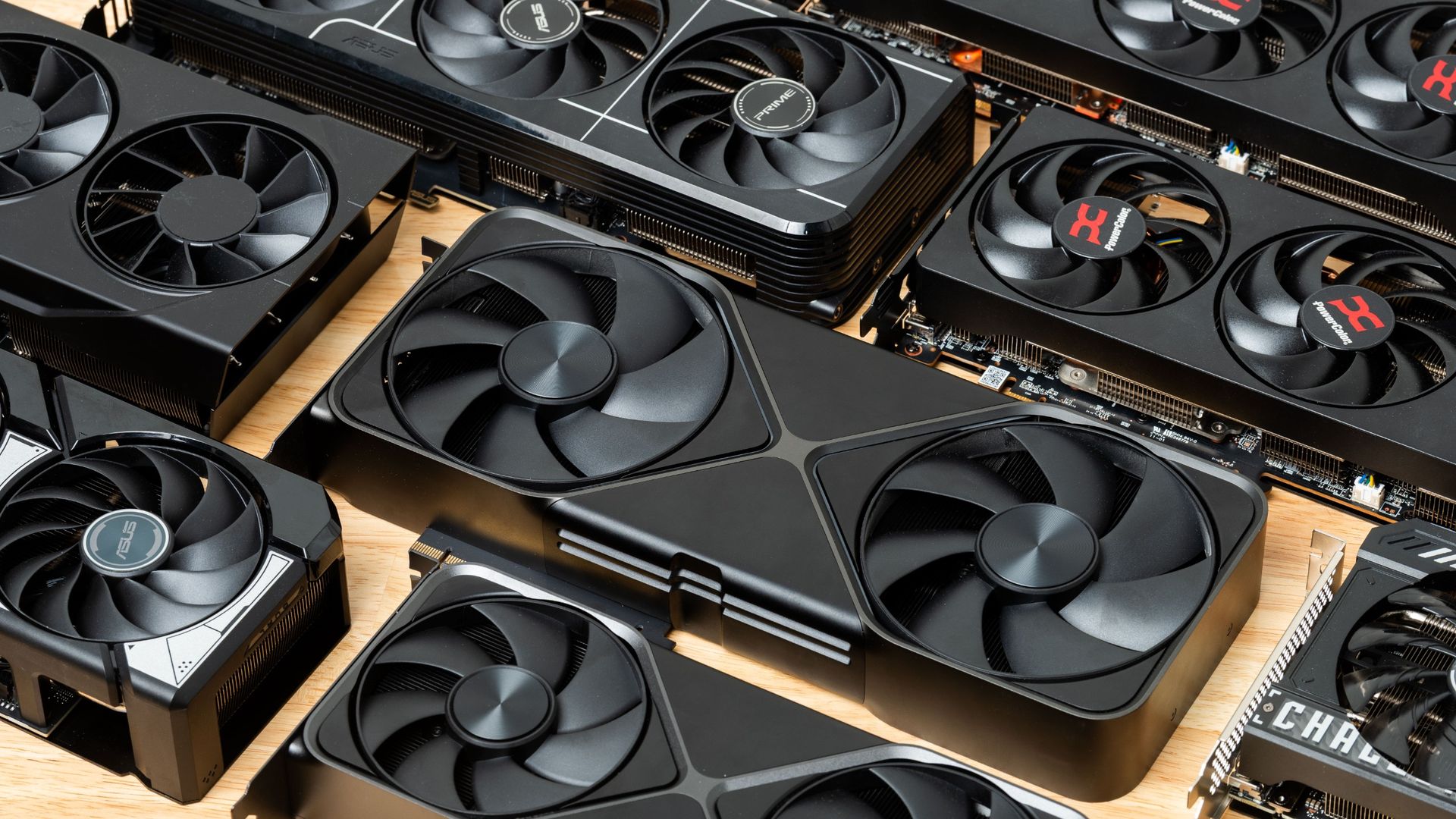
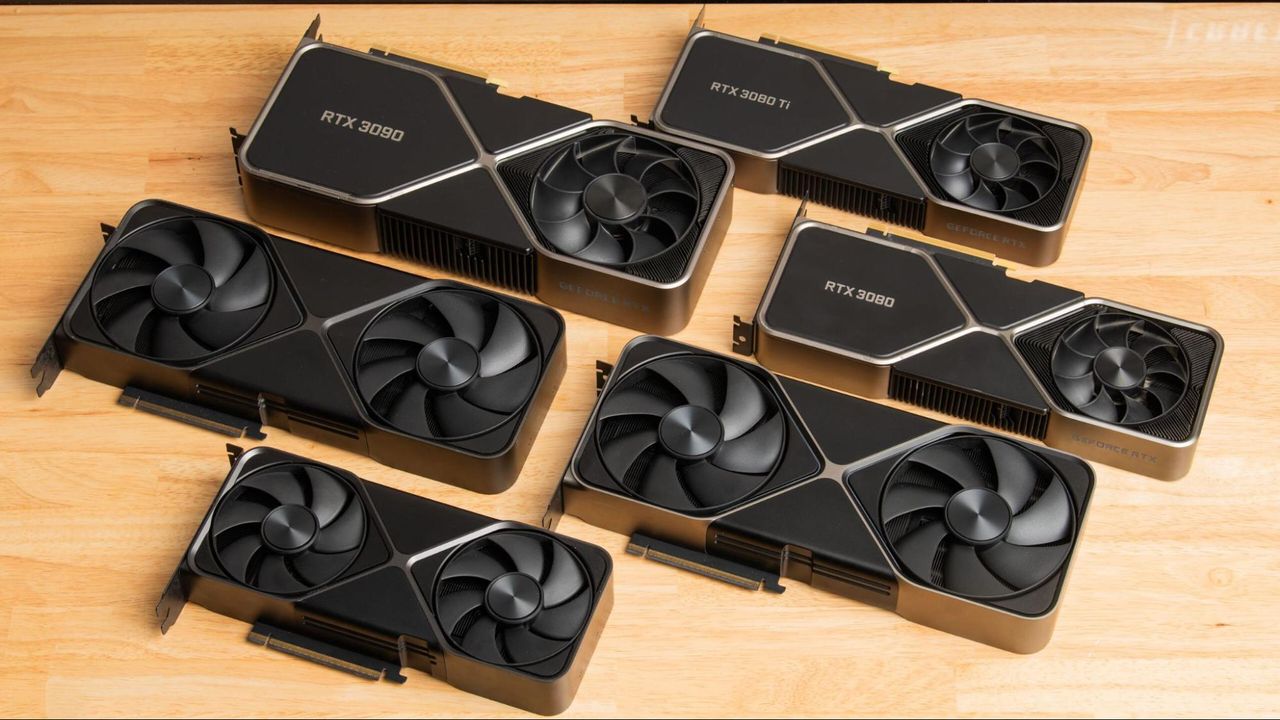
Nvidia's Verified Priority Access program at PAX West, as reported by Tom's Hardware, is a revealing anomaly. The company is offering its RTX 5090, RTX 5080, and RTX 5070 Founder's Edition models at list price, but only to attendees who physically show up at the Seattle convention. This is not a launch event; it is a rationing mechanism. At a time when scalpers and bots have made online GPU purchases a lottery, Nvidia has chosen the most friction-heavy distribution channel possible: a conference floor in one city, on one weekend.
Why does this matter beyond gaming? Because the RTX 50-series is not merely entertainment hardware. These are also the most accessible high-performance compute devices a US consumer can legally buy. Artificial intelligence inference, local model training, and even scientific computing increasingly run on consumer GPUs. By controlling physical availability, Nvidia is signaling that demand still outstrips supply for critical silicon - not because of gaming hype, but because these devices have become infrastructure. The decision to cap supply at MSRP for a few hundred attendees does not solve scarcity; it theatricalizes it. For US consumers, the lesson is that the most powerful chips will not be a click away, but a travel itinerary away.
The Server Behind the Screen
Meanwhile, Microsoft's Exchange Online outage, reported by BleepingComputer, delayed email to and from external domains and threw up "Server busy" errors. The immediate cause may be a software defect or a configuration error, but the structural cause is consolidation. When a single cloud provider handles a dominant share of corporate mail, any hardware failure, network partition, or power hiccup becomes a national productivity event. The outage is not about email per se; it is about the fact that the physical servers running Exchange Online are concentrated in data centers that most IT departments never see.
For US companies, this is the other side of the hardware-access coin. The cloud is marketed as the elimination of hardware ownership, but it actually creates a new dependency on remote hardware that no one can touch, repair, or audit. When that hardware misbehaves, the options are narrow: wait for Microsoft to fix it, or switch providers - a migration that itself takes months. The outage is a reminder that American businesses have outsourced their most basic communications to physical machines in places they do not control, and that resilience is not a software feature but a hardware reality.
Chips as a Sovereign Boundary
Taiwan's crackdown on Chinese-owned tech businesses, also reported by Tom's Hardware, is the clearest expression of the pattern. Since 2020, Taiwan's top investigative agency has conducted 166 investigations and secured at least 36 convictions against Chinese companies operating on the island without authorization. These firms were not opening restaurants or trading firms; they were hiring Taiwanese experts to support semiconductor research and development. The Taiwanese state has decided that access to its hardware expertise is a national-security matter, and it is prosecuting individuals and entities that try to leak that access across the strait.