๐Ÿ“ฃ

Advertisement

Google Ad - 970ร—90 Leaderboard ย TOP_LEADERBOARD_4

The Surveillance and Hardware Lines Converge on Apple

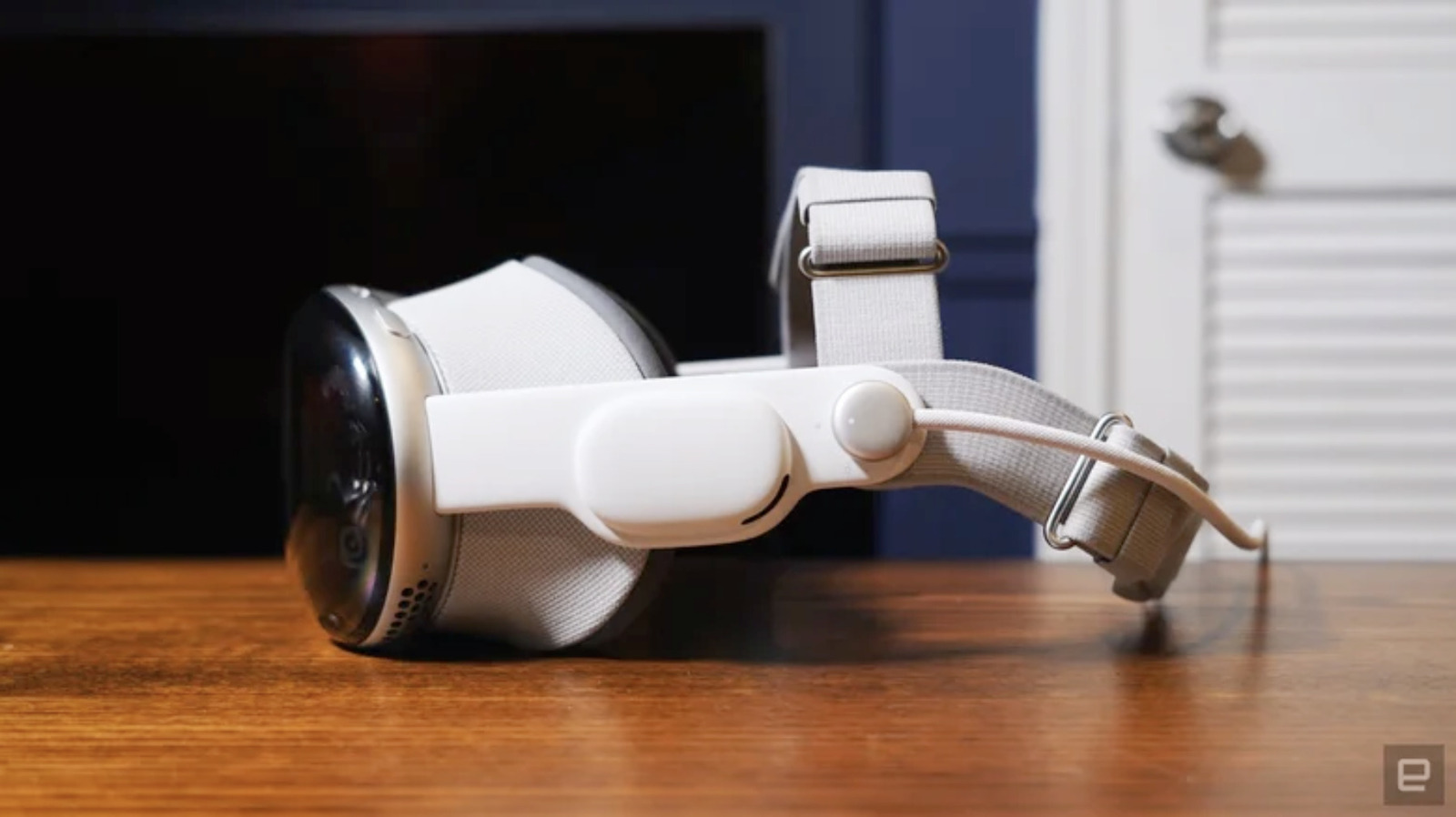
Photo: Engadget

Article

The Surveillance and Hardware Lines Converge on Apple

Flock bans, Vision Pro surgery, and an uncertain iPhone cycle reveal a single pattern: hardware makers are absorbing the regulatory and medical spotlight once reserved for software.

Arjun NairSeptember 5, 20266 min read
๐Ÿ“ฃ

Advertisement

Google Ad - 970ร—90 Leaderboard ย TOP_LEADERBOARD_4

The Thread

A license plate reader ban, a medical-grade headset, and an iPhone cycle that may not arrive on schedule look like unrelated gadget beats. They are not. Together they show that hardware has become the primary front where American technology companies now confront public trust, regulatory pressure, and the limits of annual refresh cycles. The stories logged on this desk in the last two days are not random; they trace a line from surveillance backlash to Apple's post-Tim Cook identity, and the line runs straight through the physical device.

From License Plates to Local Trust

Florida's official ban on Flock cameras on state roads, as Engadget reported, is the latest step in a growing movement of cities and states responding to license plate reader backlash. The key word is "hardware." Flock's system is not a piece of software floating in the cloud; it is a fixed, visible, pole-mounted device that photographs every passing plate. That physical presence makes the surveillance tangible in a way a database never could. Residents see the camera, not the algorithm. The backlash is not about a codebase - it is about a box on a stick that never blinks.

For US technology companies, this is a warning that the physical form factor carries political weight. A company that sells a device to law enforcement is no longer a neutral software vendor; it becomes a visible agent of state power. The Florida decision, and the similar actions elsewhere, suggest that hardware makers can no longer hide behind terms of service or privacy policies. The device itself is the policy. This pattern will only intensify as more companies push cameras, sensors, and readers into public spaces under the banner of safety or efficiency.

The Medical Headset as a New Regulatory Model

Stryker's use of the Apple Vision Pro for a successful hip surgery, as Engadget also reported, points to a different kind of hardware trust. The FDA's De Novo authorization for Stryker's SportSuite Vision software in July is not a routine clearance. De Novo status is reserved for novel devices that have no existing regulatory pathway. That means the Vision Pro - a consumer gadget - has crossed into a regulated medical context. The headset is no longer just a display; it is a surgical instrument.

This is a profound shift for Apple and for the US market. The Vision Pro was launched as a mixed-reality headset for entertainment, productivity, and social use. Now it is inside an operating room, guided by software that has federal approval. That changes the risk calculus. Medical device regulation imposes obligations on the hardware manufacturer even when the software is made by a third party like Stryker. Apple cannot ignore how its device is used in the OR, any more than Flock can ignore how its cameras are used on the road.

The pattern is that hardware becomes accountable for its use cases. A phone is not just a phone when it runs medical software. A camera is not just a camera when it records every plate. The American regulatory system is responding to hardware with new rules - state bans for surveillance, De Novo authorizations for surgical headsets - and that dual movement is creating a new terrain for hardware makers. The companies that thrive will be those that treat their physical products as things that can be governed, not just sold.

The Unthinkable: No iPhone 18 This Year

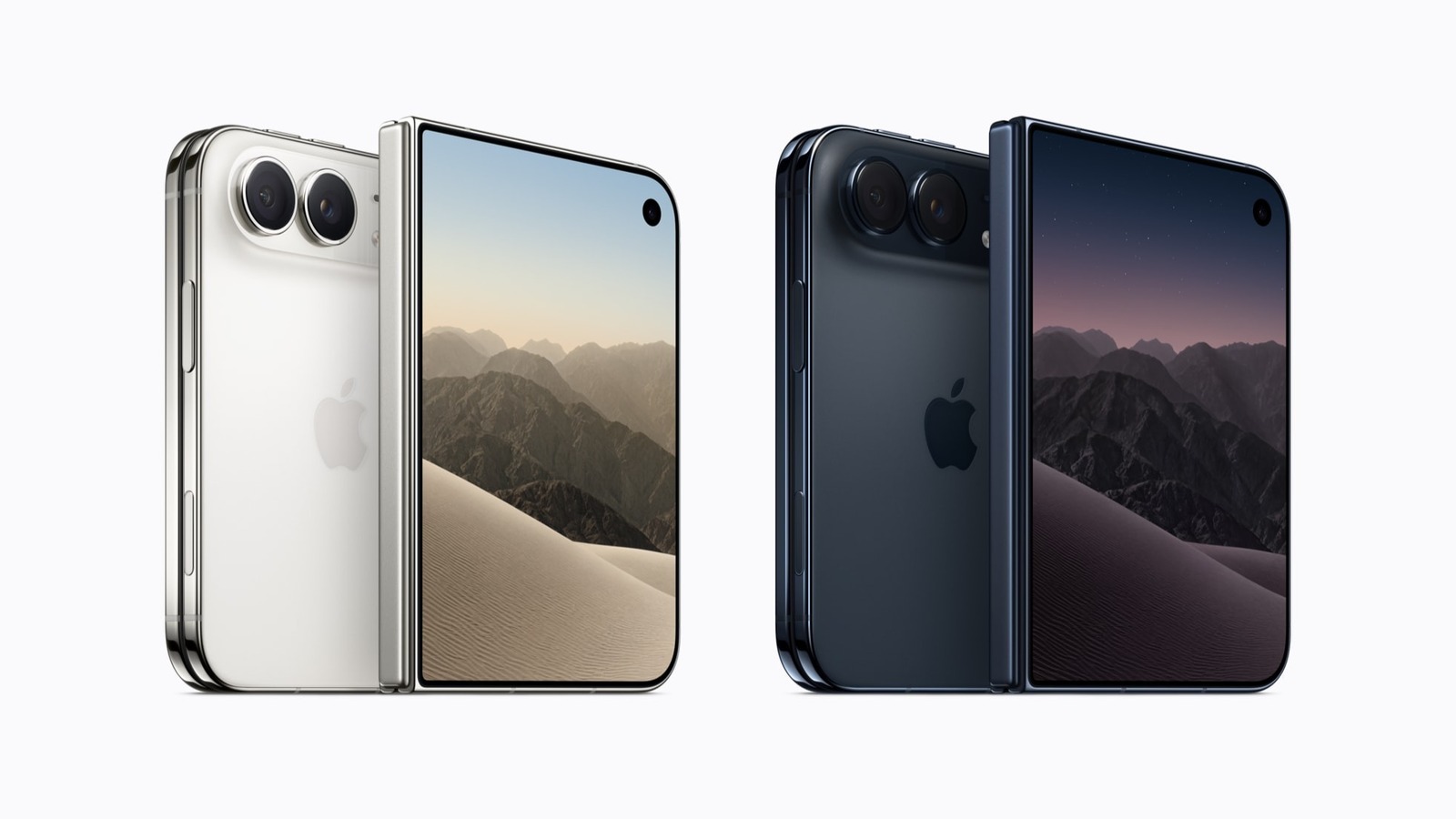
Wired's report that there may not be an iPhone 18 this year is the most striking piece of this pattern. For a company that has released a new iPhone every year since 2007, skipping a cycle would be a first. The context is Apple's September event next week, where the company is expected to announce several products - including a folding phone - but perhaps not the iPhone 18. This is not a supply chain hiccup; it is a deliberate recalibration of what a flagship device means.

The Verge, in its own preview of the same September 9th event, notes this will be Apple's first event since John Ternus took over as CEO on September 1st, stepping in for Tim Cook. The Verge also says that event "will likely feature the first models in Apple's iPhone 18 lineup," including the long-rumored foldable "iPhone Ultra." The two outlets disagree on the phone, which is exactly the point. The confusion is not a journalistic failure; it is the market smelling real uncertainty.

Advertisement

๐Ÿ“ฃ

728x90

MID_CONTENT_2

Ternus inherits a company where the annual iPhone cadence is no longer sacred. The folding iPhone Ultra, if it comes, is a new form factor - a major hardware shift. That is the kind of change that might justify breaking a release tradition. But the absence of an iPhone 18 would also signal that the numbered upgrade treadmill has become less important than the physical leap to a folding device, or that Apple is willing to let a year pass to refine a product. For US consumers, an iPhone cycle that skips a number is a psychological break as much as a retail one. The yearly upgrade habit, which drives much of the smartphone market, depends on the promise that the next number is always coming. Remove that promise, and the buying rhythm changes.

For US technology companies, this matters because Apple is the template. If the world's most valuable hardware maker can skip a flagship cycle, every other vendor can too. The annual refresh is not a law of physics; it is a business convention. Under new leadership, Apple is showing that the physical product - not the calendar - defines the release.

Hardware as the New Software

The three stories share a deeper current: hardware has become the locus of innovation, fear, and regulation in ways that software used to be. A decade ago, the public debate was about app stores, data brokers, and online privacy. Now the flashpoints are cameras on highways, headsets in operating rooms, and foldable phones in pockets. The device is the message.

Consider the trajectory in each case. Flock's readers are physical infrastructure; the backlash is aimed at their placement, not their code. Apple's Vision Pro is a physical object that won surgical approval because of what it does to a patient's body, not because of its user interface. And the iPhone 18 question is fundamentally about hardware design - whether a folding mechanism, a new display, or a different body can justify a new number. In all three, the software is secondary to the silicon, the lens, and the hinge.

That shift has consequences for US companies. Regulation of hardware is more visible and more binary than regulation of software. A software fix can be patched overnight; a camera ban or a De Novo denial is a discrete, public, and costly event. Hardware also carries higher reputational risk because failures are literal: a flawed camera, a mis-aligned headset, a weak fold. Consumers in the United States have shown - through the Flock backlash and through their resistance to paying $3,499 for the Vision Pro - that they will judge hardware on physical and ethical terms, not just on specs.

What to Watch on September 9th and Beyond

The September 9th event will be a test of how Apple, under new leadership, handles the hardware-first reality. If the folding iPhone Ultra appears, the story is not just about a new phone; it is about a company committing to a physical redesign that could define its next decade. If the iPhone 18 is absent, the story is about breaking a ritual - and about admitting that yearly upgrades are not mandatory.

Watch also for how Flock's ban plays out in other states. Florida is not the first, and based on the Engadget report, it will not be the last. The license plate reader industry will have to adapt to a world where hardware is subject to local veto. And in healthcare, the Vision Pro's De Novo authorization opens a door that other headset makers will walk through, whether Apple wants them to or not. Apple cannot control Stryker's software, but it can control the hardware that runs it - and that responsibility now has federal backing.

None of this is predicted; it is already underway. The thread is simple: hardware is no longer a neutral object. It is a political statement, a medical tool, and a corporate promise. The companies that understand that will lead the US market. The ones that do not will find their products banned, their launches skipped, and their names attached to lawsuits - not because of what their software does, but because of what their hardware is.

More on this beat: Gadgets on TechManNews.

Advertisement

๐Ÿ“ฃ

728x90

IN_ARTICLE_5

#iphone#apple#models#launch#feature#software

Newsletter

Get Tech News in Your Inbox

The latest AI, gadgets, software and startup stories from TechManNews, delivered every morning - free.