The operating system's most important failures in 2026 are the ones nobody sees happen. Three recent incidents logged on this beat - an Android Auto autoplay setting users cannot easily escape, Google Home speakers downloading hundreds of gigabytes in the background, and missing Copilot buttons in classic Outlook on Windows - share no code, no vendor, and no form factor. What they share is a failure mode: background services and update mechanisms that operate below the user's line of sight, and that degrade the experience in ways the user is left to notice, diagnose, and report.
The pattern is invisible failure, not visible breakage
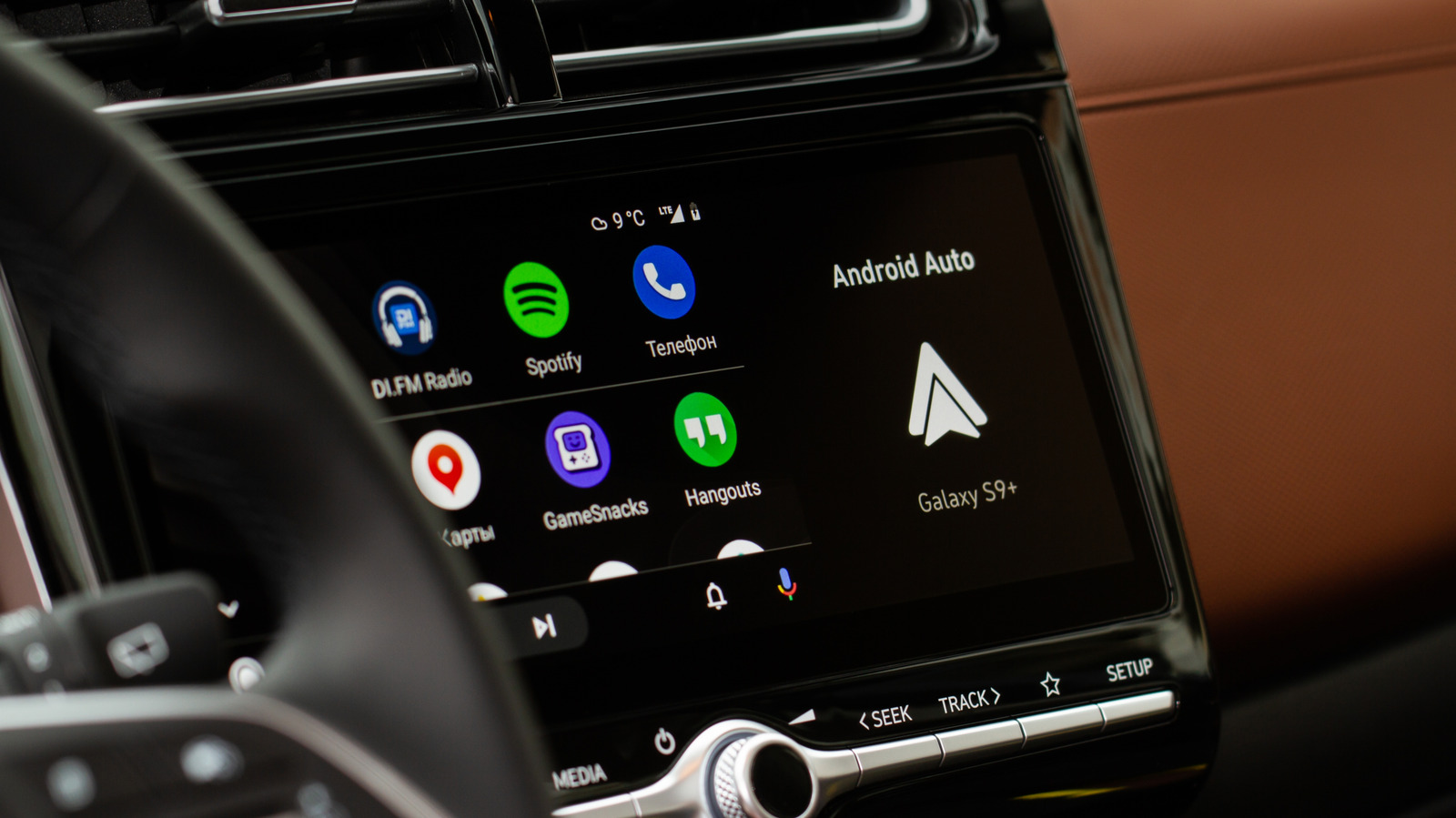
None of these stories describe a crash, a blue screen, or an app that refuses to launch. The Google Home issue, reported by 9to5Google and several Reddit users over the last week and covered by The Verge, is the purest example: speakers continuously downloading hundreds of gigabytes of data in the background, possibly because they fail to correctly download and install a firmware update. From the owner's chair, the speaker still plays music and answers questions. The damage shows up somewhere else - on a network bill, a router, or a broadband cap. The Outlook bug, fixed by Microsoft and reported by BleepingComputer, similarly removed the Copilot Chat and Copilot buttons in the classic desktop client for some Windows users without any error state. The interface simply became less than it was. And the Android Auto autoplay behavior, documented by Engadget, is autoplay working as designed, which is precisely the problem for users who want it off: the convenience is imposed, and undoing it requires effort proportional to how hidden the setting is.
Update machinery is the new single point of failure
The common thread runs through the update and background-service layer, which has quietly become the most consequential part of any operating system. Android Auto is not an operating system in the classic sense, but it is a system layer that mediates between phones and dashboards, and its behavior is governed by settings and background logic most users never inspect. Google Home speakers are small computers whose primary job now includes maintaining their own firmware; when The Verge reports that the downloads may stem from a failed firmware update installation, it describes a repair loop that consumes resources while looking, externally, like normal operation. Classic Outlook on Windows is a desktop application inside an OS ecosystem where Microsoft pushes client and service updates, and the missing Copilot buttons show that a push can subtract as well as add. In each case, the mechanism designed to keep software current and consistent is the mechanism that produced the fault.
The cost lands on users and support desks
For US consumers, the practical consequence is that troubleshooting has moved out of reach. A user cannot easily audit what an Android Auto head unit is doing with audio focus, cannot open a Google Home speaker and inspect a firmware download queue, and cannot restore a button the Outlook client no longer renders. The Reddit reports cited by The Verge are the tell: when the only diagnostic channel is a public forum thread, the vendor has effectively outsourced detection to its customers. That is a support burden shifted onto households and small businesses, and it arrives as bandwidth consumption that may not be visible until a bill or a throttled connection forces the question. The Outlook case adds a second cost, more subtle: when a feature disappears and returns after a fix, users lose confidence that the client they depend on for mail will stay stable between updates. Reliability, for an operating system or anything that lives inside one, is as much about what stays put as about what ships.