The smartphone story is increasingly a software story. Three recent items logged on this beat - Apple limiting iPhone Duo purchases, a Ugreen NAS that leans on a phone as its remote, and an orange dot on the Samsung Galaxy Watch - share a common thread: the useful parts of the mobile experience are being defined by software rules, companion apps, and cross-device dependencies rather than by the handset alone. For US consumers and US technology companies, that shifts where value is created and where friction is felt.
Purchase Limits as Software Policy
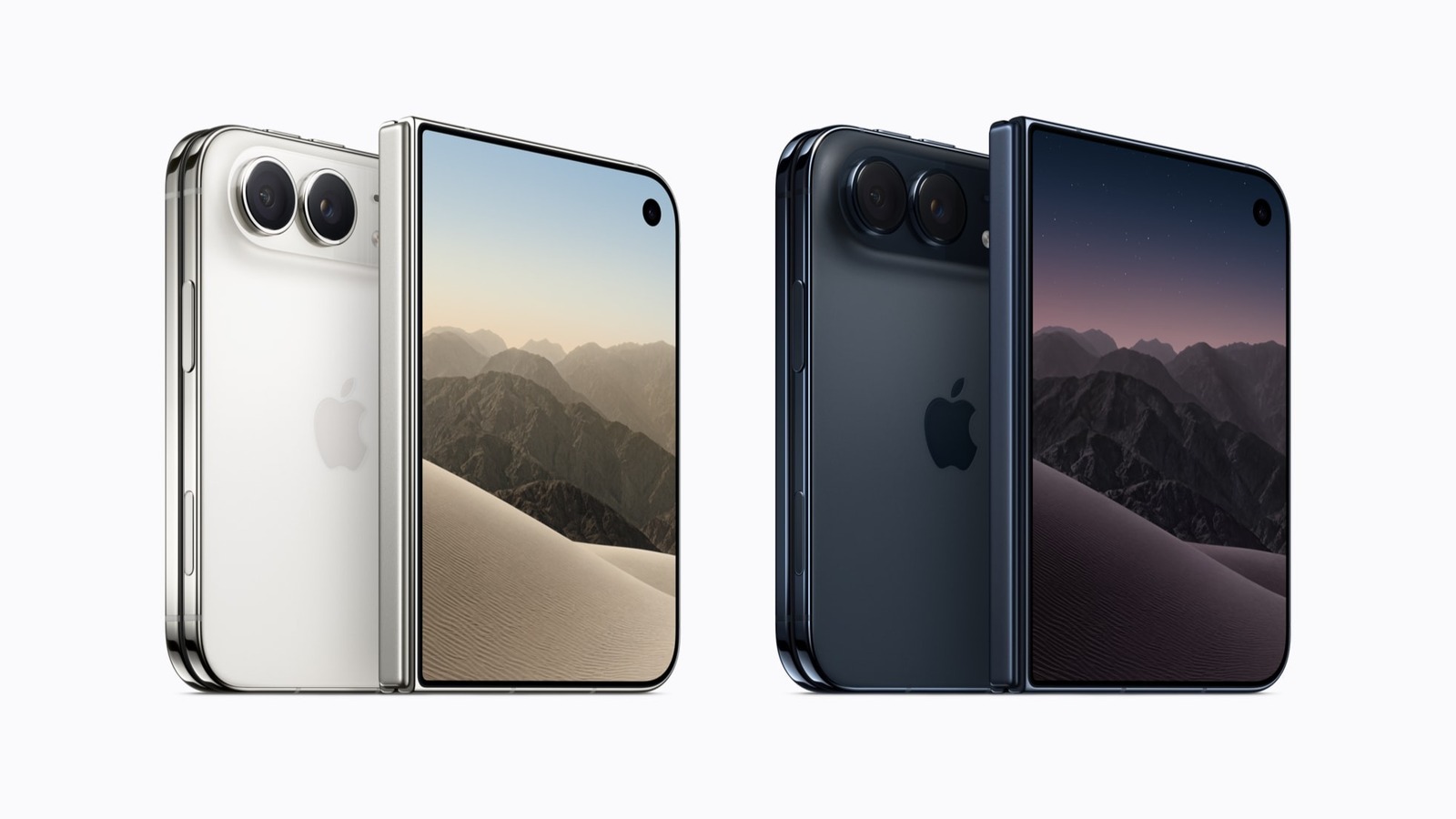
Engadget reported that the Apple Store will only let customers check out two iPhone Duos, with Apple limiting iPhone Duo purchases to two per customer around the world. On its face this is a retail rule, but it is also a software-enforced policy decision. Purchase limits are set and applied through the same account and store infrastructure that governs device activation, warranty status, and app access. That makes the limit less a shelf-stocking tactic and more a statement about how Apple wants the device to enter the market.
For US buyers, the practical effect is that the iPhone Duo is not being treated as an ordinary commodity handset. A two-per-customer cap signals that Apple sees demand management, resale control, or launch allocation as something best handled at the account level. US technology companies have increasingly used account-linked purchase rules to shape how new hardware reaches customers, and this is another example. The lesson for the US market is that the terms of a phone purchase are now part of the product experience, not a footnote to it.
The Phone as the Remote Control
Engadget also examined what the HDMI port on a Ugreen NAS is for: watching media files stored on the device, with the phone used as the remote. That is a small detail with a large implication. The NAS is not a phone, but the workflow it enables runs through one. The phone becomes the control surface for a device that sits elsewhere in the home.
For US consumers, this is familiar territory: the handset is the hub through which other hardware is configured and operated. The Ugreen example makes the dependency explicit. Without the phone, the HDMI output is far less useful, because the phone supplies the interface. That has consequences for how US technology companies design accessories and companion hardware. A device that lacks a strong companion app or a clean phone-based control path is harder to use, regardless of its hardware specifications.
It also raises questions about longevity and interoperability. When a phone serves as the remote, the phone's software update cycle becomes part of the other device's support story. US buyers who keep a NAS or similar device for years may find that its usability depends on an app that is updated on a different schedule. That is a software dependency, not a hardware one, and it is becoming more common in the US market.
Small Indicators, Large Dependencies
Engadget's explanation of the orange dot on the Samsung Galaxy Watch is another case in point. The dot appears on the left side of the watch's screen, and its meaning is conveyed through software. A small status indicator like this is only useful if the user understands it, and that understanding is delivered through documentation, companion apps, or on-device explanations.