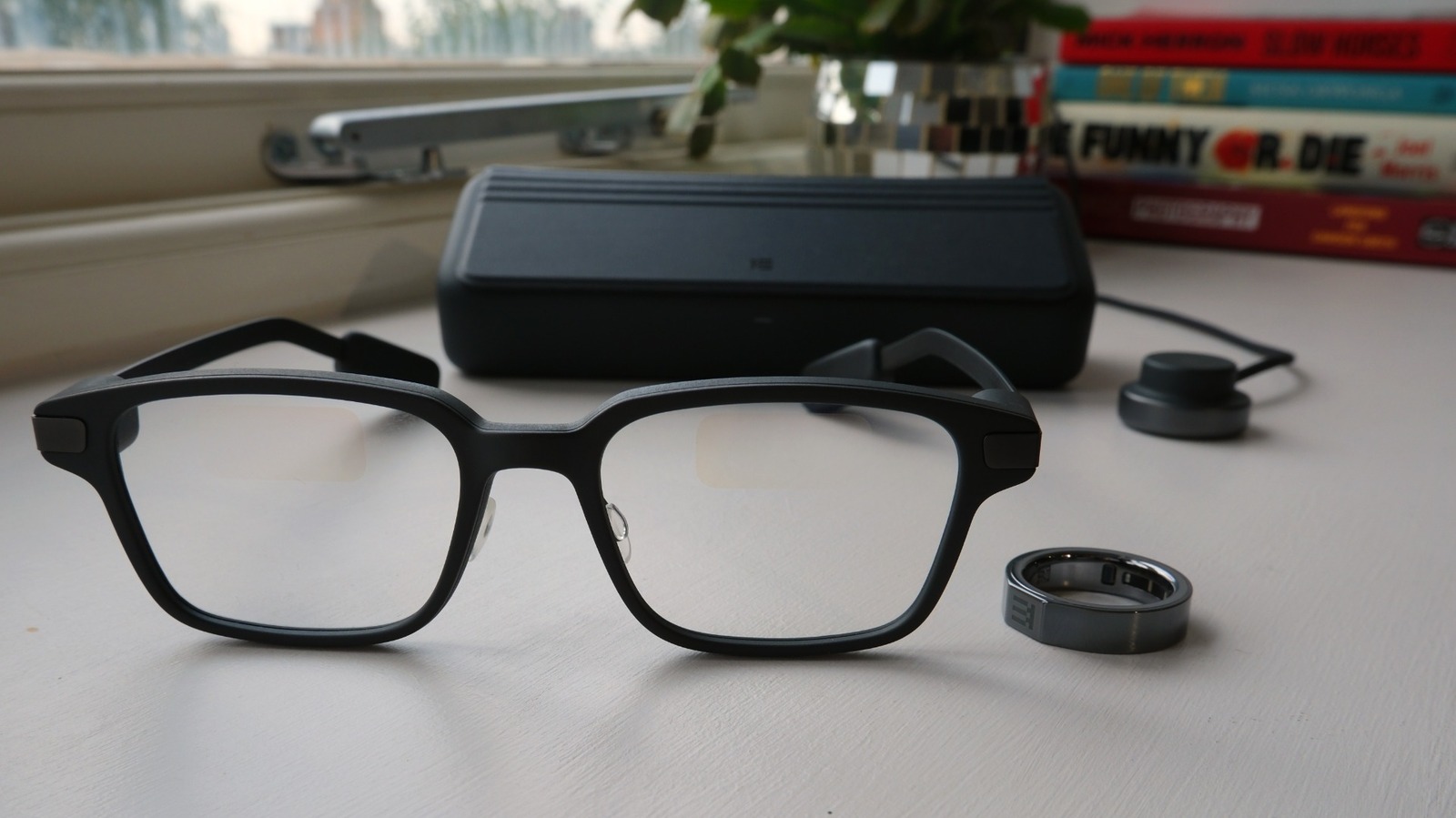
The latest wearable stories share a single thread: the hardware keeps getting better, but the software, service and control layers around it keep getting in the way. A smart display borrowed from watch design, a protection plan that may not pay off, and smart glasses with clumsy controls all point to the same gap. For US consumers and the companies selling to them, the next phase of the wearable market will be decided less by what the devices can do than by how easily and affordably people can actually use them.
The hardware is no longer the hard part
Wired's look at the Apple HomeView makes the point neatly. The device is a 7-inch smart display with customizable “faces,” and Wired describes it as a unique hybrid between an iPhone and an Apple Watch. That framing is telling. The watch, after all, is the most personal screen Apple sells, and the HomeView borrows its logic for the home. The industrial and interface concept is settled enough that a major outlet can treat it as a distinct product category rather than a curiosity. Even Realities receives similar treatment from Engadget, which calls its G2 one of the best smart glasses on the market. Whatever else is true of these products, the physical design and core capability are being taken seriously. That is a shift from the era when wearables were judged mostly on whether they worked at all.
Controls are the weak link
Engadget's review of the Even Realities G2 carries the clearest warning. The glasses are praised as one of the best smart glasses available, yet the verdict is that controlling the growing feature set is harder than it should be. That is a software and interaction problem, not a hardware one. A device can be well made and still fail the basic test of letting someone use it without friction, and the G2 review says the controls fall short of the hardware's quality. The same concern hovers over the HomeView's customizable faces: personalization is only as good as the interface that manages it. When a product's feature list grows faster than its control scheme, buyers end up paying for capability they cannot comfortably reach.
The cost question moves to services
Engadget's examination of AppleCare for the Apple Watch SE raises a parallel issue on the service side. The piece notes that AppleCare+ makes repairs or replacements easier, but argues that even at a low cost it might not be a good value. That is a meaningful shift in how US buyers will judge wearables. The purchase price is no longer the whole story; the protection plan, repair path and replacement economics are part of the real cost of ownership. A watch that is easy to buy but expensive or awkward to keep running is a harder sell, particularly for the budget-conscious buyers the SE line targets. The article does not claim the plan is worthless, only that the value is not automatic, which is exactly the kind of scrutiny a maturing category attracts.