The Laptop Becomes the Front Line in America's Hardware Trust War

Photo: BleepingComputer

Article

The Laptop Becomes the Front Line in America's Hardware Trust War

BhavyaOctober 20, 20265 min read

The laptop is no longer just a tool for getting work done; it has become a contested piece of infrastructure. Three recent stories on this beat - a DoJ operation against North Korean IT worker schemes, Nvidia's Windows on Arm silicon arriving in a Microsoft Surface, and a $99 OBD-II plug aimed at teen drivers - all point to the same underlying pattern: the personal computer is being redefined by who can be trusted to build it, run it, and connect it. For US technology companies and consumers, that shift changes what a PC purchase actually means.

The Laptop as a Supply Chain Problem

The most striking of the three stories is the FBI raid on DPRK IT worker laptop farms in Texas, as BleepingComputer reported. The Department of Justice disrupted the Famous Chollima threat group by arresting two suspects, charging 14 individuals, and seizing nearly 187 laptops used in North Korean remote IT worker schemes. The details matter less than the shape of the operation: laptops, physically located in the United States, were the means by which a foreign state inserted workers into the US technology labor market.

For US technology companies, this is a hiring and procurement problem as much as a law enforcement one. The machines in question were ordinary laptops, the kind any US firm might ship to a remote contractor. The lesson is that identity verification and device provenance are now part of the laptop stack, not an afterthought handled by HR. Companies that treat a remote worker's machine as a neutral endpoint are exposed. The seizure of nearly 187 laptops suggests the scale at which ordinary consumer and business hardware can be repurposed into a channel for state-linked activity.

For US consumers, the implications are more indirect but real. The same remote-work infrastructure that enables flexible employment also enables fraud against US employers and, potentially, the clients those workers touch. Trust in the laptop as a work device now depends on trust in the chain of people and devices behind it.

Silicon Sovereignty Comes to the Surface

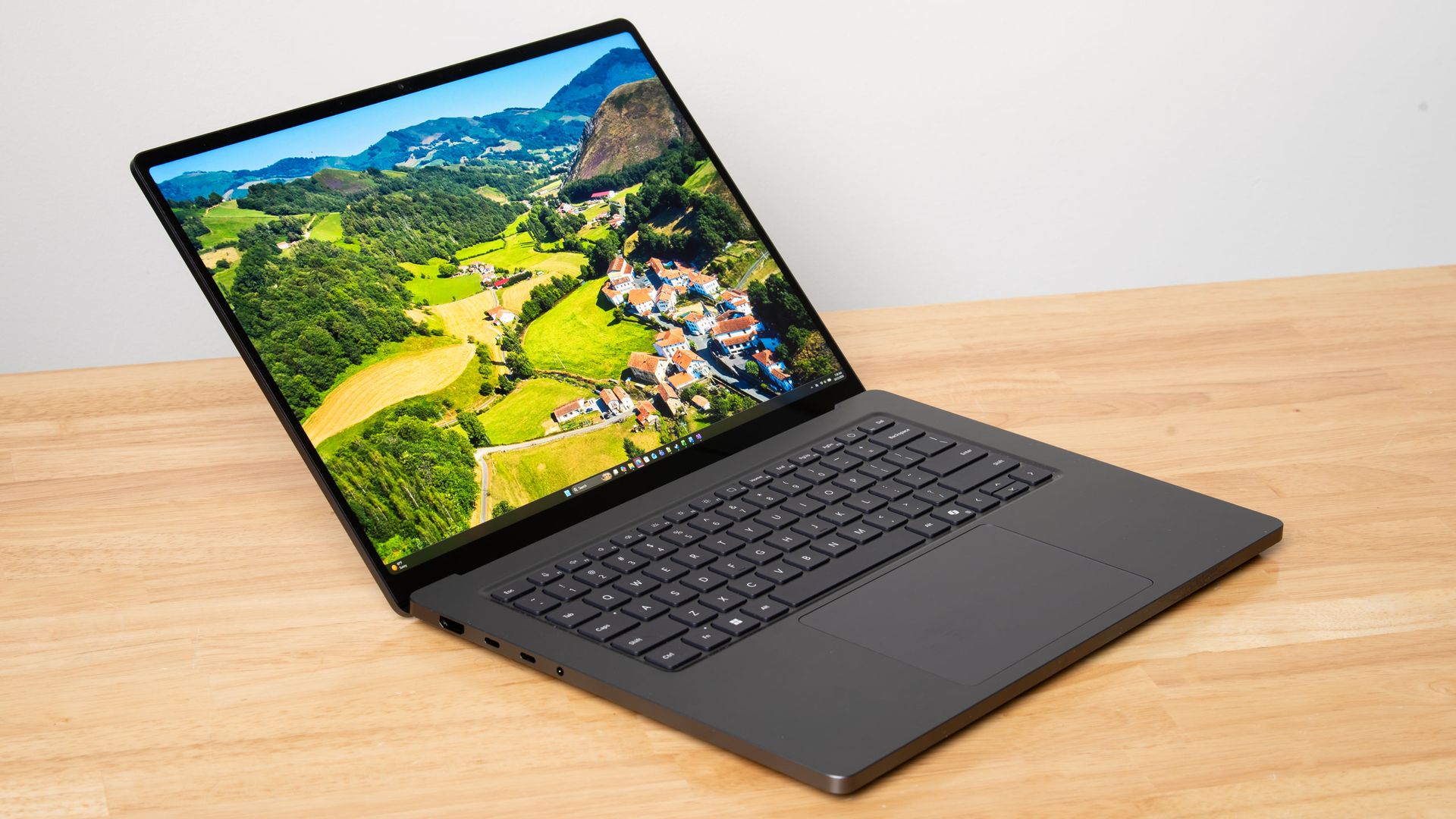
The second story, from Tom's Hardware, is the test of the RTX Spark Superchip in Microsoft's Surface Laptop Ultra. Nvidia's Windows on Arm platform impressed in local AI but was not strong at gaming. The framing in that coverage is telling: it is described as laying the foundation for the reinvention of the PC in the agentic AI era.

That is a hardware story, but it is also a trust story. Running AI workloads locally means data does not have to leave the device. For US consumers and enterprises, local AI is attractive precisely because it reduces dependence on cloud services and the jurisdictional and security questions that come with them. Nvidia and Microsoft are positioning the Windows on Arm laptop as a machine that can do meaningful AI work on its own. That is a different value proposition from raw gaming performance, and the test results suggest the trade-offs are real.

The pattern here is that the PC's defining capability is shifting from generic compute to trusted local compute. If the laptop is where sensitive work happens, then the silicon and the operating system stack determine how much of that work can stay on the machine. US vendors are betting that buyers will pay for that assurance, even where the device is not the best gaming machine.
The Endpoint Expands Beyond the Desk

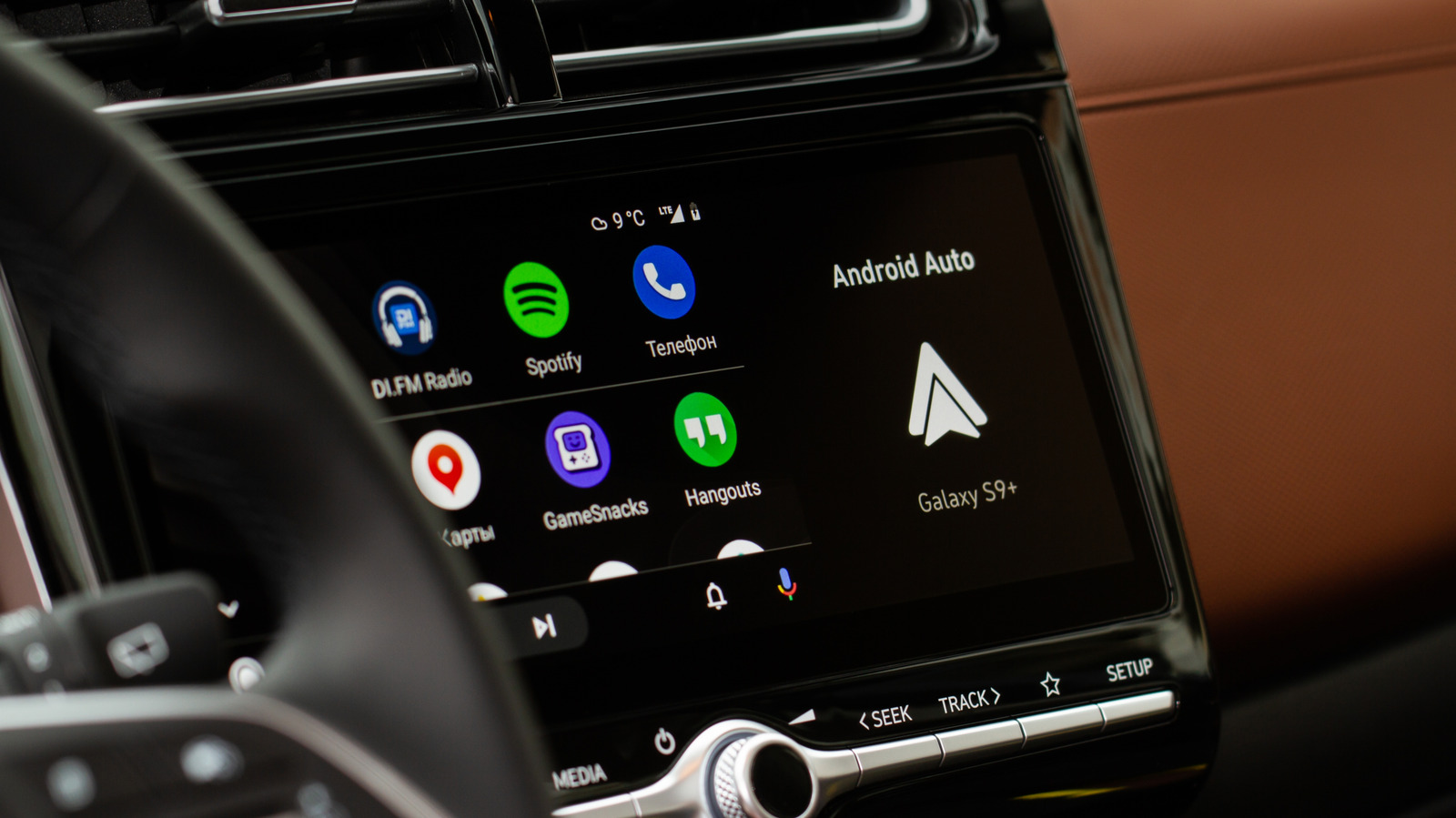
The third story, from The Verge, concerns a $99 plug that tracks a car and sends help when needed without selling data. The writer's motivation was a 15-year-old daughter with a learner's permit. The Miles Plug connects to a car's OBD-II port and monitors location, driving habits, and vehicle health, with emergency accident response and roadside assistance.

On its face this is an automotive gadget, not a laptop story. But it belongs on this beat because it shows the same logic spreading outward: the endpoint is no longer the desk. The laptop is increasingly the hub through which US consumers manage a constellation of connected devices, and the trust questions that used to attach to the PC now attach to everything the PC touches. A device that promises not to sell your data is making a claim about the same trust economy that the DoJ operation and the Surface test are operating in.

The $99 price point matters too. It suggests that privacy-respecting connected hardware is being pushed toward mainstream US consumers, not just enterprises. That raises the bar for laptop makers, because the PC becomes the place where these devices are configured, monitored, and trusted.

What US Buyers Are Actually Paying For

Put the three stories together and a coherent thesis emerges. The laptop is being pulled in two directions at once. On one side, it is a vector for state-linked labor fraud and supply chain risk, as the Texas raids show. On the other, it is the platform on which local AI and privacy-preserving connected services are supposed to run, as the Nvidia-Microsoft test and the Miles Plug suggest.

For US technology companies, that means the competitive ground is shifting from specs to assurance. A laptop that runs AI locally, verifies the identity of its user, and anchors a set of trusted peripherals is a different product from one that simply has a faster chip. The Surface Laptop Ultra test is a data point on whether that proposition holds up in practice.

For US consumers, the practical effect is that buying a PC increasingly means buying into an ecosystem of trust claims. The question is no longer only whether the machine is fast enough, but whether the vendor can vouch for what runs on it and what it connects to.

What to Watch

Three things are worth tracking on this beat. First, whether the DoJ's disruption of the Famous Chollima scheme, as reported by BleepingComputer, leads US employers to tighten device and identity verification for remote workers, and whether laptop vendors respond with features aimed at that market. Second, whether Nvidia's Windows on Arm platform matures beyond the mixed results in Tom's Hardware's Surface Laptop Ultra test, particularly on the local AI workloads that are its stated rationale. Third, whether privacy-forward connected devices like the $99 Miles Plug covered by The Verge become a standard part of the US laptop ecosystem or remain niche. Each is a test of the same underlying question: whether the PC can be trusted as the center of a connected, AI-driven, and increasingly scrutinized personal computing stack.

More on this beat: Gadgets on TechManNews.

#laptops#PC security#Windows on Arm#supply chain#privacy#AI PCs

Newsletter

Get Tech News in Your Inbox

The latest AI, gadgets, software and startup stories from TechManNews, delivered every morning - free.