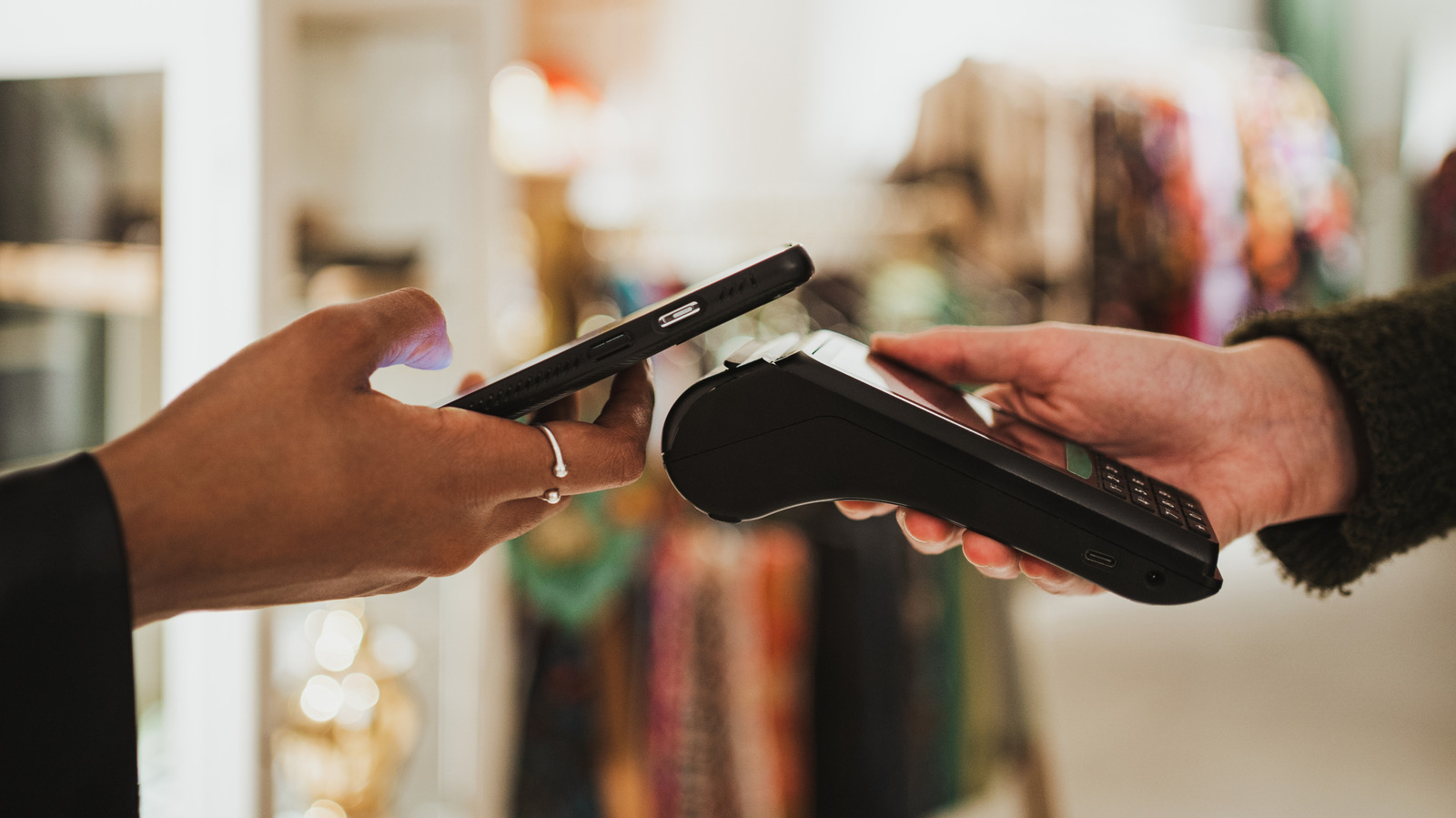
UK regulators are moving to compel Apple to open its iPhone NFC payment technology to outside wallet providers, setting up a potential clash over how third-party access works in the country. The Competition and Markets Authority said Apple's current rules and fees limit competition in contactless payments, where Apple Wallet is the most popular choice. The regulator's concerns center on whether rival fintech firms can build wallet products that work with the iPhone's tap-to-pay hardware.
The CMA noted that 39 percent of all UK payments now rely on contactless technology, and it described the UK as a leading fintech hub supporting more than 360,000 jobs. It argued that Apple's fee structure and access terms, which it called onerous, put the country's fintech sector's ability to innovate and grow at risk. The regulator also pointed out that, unlike in the EU, not a single firm has launched a wallet-type product to compete with Apple's in the UK.
The regulator's push mirrors a settlement Apple reached in Europe in 2024, when the company committed to giving developers access to NFC technology for tap-and-go payments along with iOS features including Face ID authentication and double-click to pay. That agreement spared Apple an antitrust fine of up to 10 percent of its worldwide annual turnover. Apple later extended third-party access to those functions in other regions beginning with iOS 18.1.
UK developers can use some of those features, but they remain inside Apple's ecosystem and must pay fees, the CMA said. The regulator is proposing that Apple open Wallet access to the main contactless standards used internationally so UK firms can roll out payment services already offered in the EU. It said its evidence shows neither technology raises inherent security concerns.
The CMA also wants access to Apple's services to be commercially viable. Rather than setting prices itself, the regulator would propose principles for determining rates, with the expectation that charges would be substantially lower than Apple's current fees.
The consultation closes on November 17, 2026, and a final decision will follow after responses are assessed. Apple has already pushed back, telling Reuters it does not believe the CMA should require the company to adopt an approach with lower privacy and security protections. Apple said it will continue to engage constructively toward an outcome in the best interest of its users.
The case could carry weight for US developers and payment providers that offer wallet products elsewhere, since the CMA is measuring the UK market against the access Apple granted in Europe. For American readers, the dispute highlights how Apple's NFC terms are being tested market by market, with the UK regulator seeking rates and access it expects to be substantially lower than what Apple currently charges.
More company and startup news from TechManNews.