The processor is moving back to the center of the AI hardware story. Across three recent items on this beat, the interesting variable is not raw accelerator throughput but the CPU, the memory hanging off it, and the power and space needed to keep adding more of both. That thread runs through an unconfirmed AMD engineering sample, Dell's pitch for server consolidation, and a Chinese vendor's compact AI machine.
An AMD Sample Points at Handheld Ambition
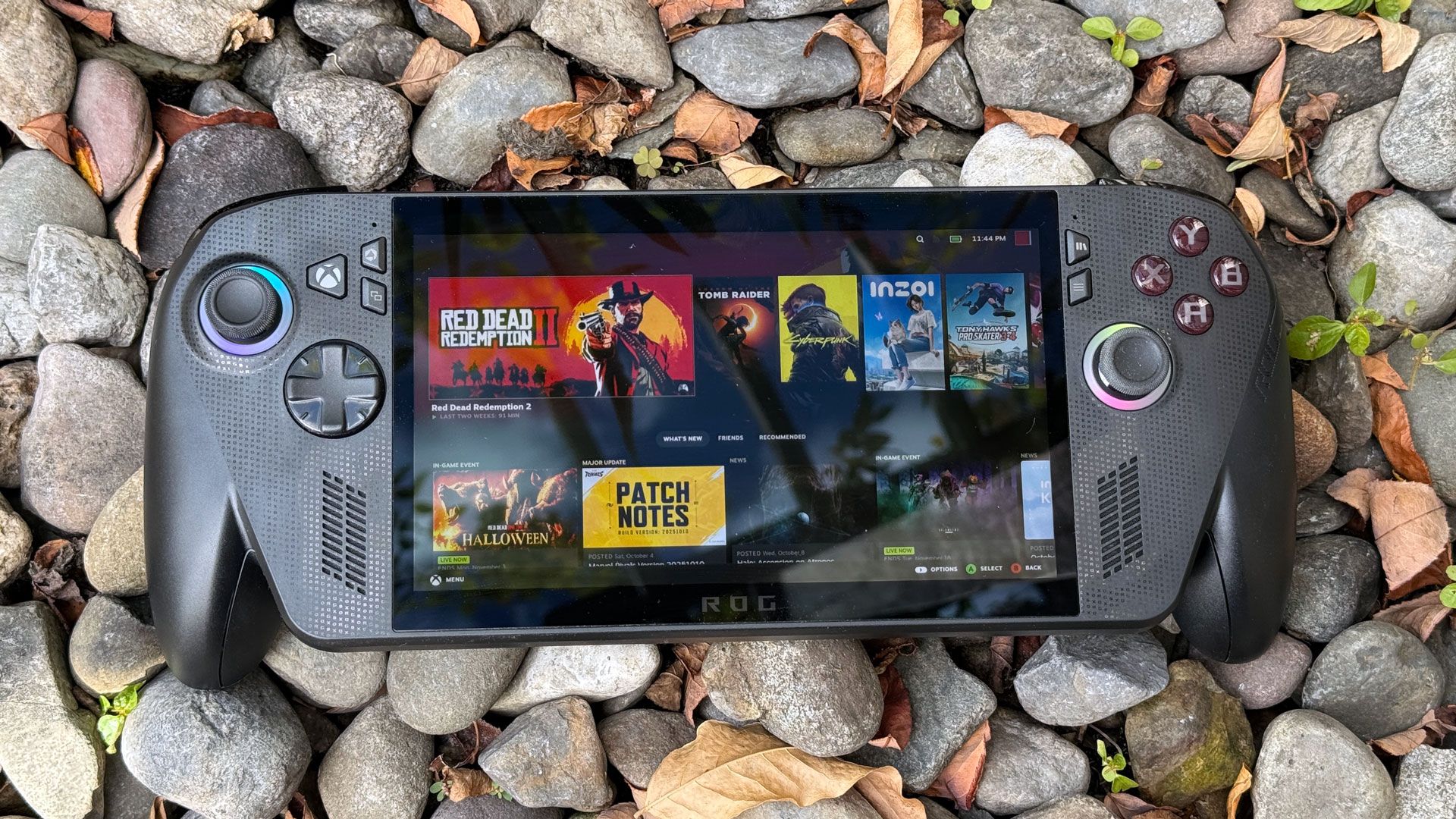
The most concrete data point is a benchmark appearance of a mysterious AMD Zen 6 APU, as reported by Tom's Hardware. The engineering sample carries six CPU cores, 24GB of LPDDR5 memory running at 9,600 MT/s, and an integrated GPU clocked at 2.4 GHz. Its connection to a future Steam Deck remains unconfirmed.
Read that specification list as a statement about priorities. A handheld or compact gaming device is defined less by peak graphics than by how much memory bandwidth and capacity can be packaged next to a modest CPU. The 24GB figure and the 9,600 MT/s memory speed matter more than the six cores, because they determine whether a device can hold large assets, run an operating system and still leave headroom for graphics. The CPU is the host for that memory, and the APU form factor makes the CPU the packaging decision.
For US consumers, this is the segment where processor choices are most visible. Handheld gaming PCs and any successor to the Steam Deck are priced and specified around APUs, and a memory configuration of this size would reset expectations for what a portable machine can run. For US chip companies, it is a reminder that the handheld category is a CPU design problem as much as a graphics one, and that AMD's roadmap in this corner of the market is worth tracking even before any device is announced.
Dell Argues the CPU Back Into the Server
The second signal comes from the data center. As SiliconANGLE reported, Dell is pitching 13-to-1 server refreshes on the argument that agentic AI is driving demand for general-purpose compute. Graphics processing units dominate the AI infrastructure conversation, but the agents running on those systems lean heavily on central processing units, and data centers are short on the power and space to keep adding servers.
This is the most important claim in the set, because it reframes consolidation as a processor argument. If agents spend meaningful time on orchestration, tool calls and general-purpose work, then the CPU stops being a head node bolted to an accelerator and becomes a capacity constraint in its own right. The 13-to-1 figure is a vendor pitch, not an independent measurement, and should be treated as such. But the logic behind it is about physical limits: power and floor space, not chip supply, are what stop data centers from simply adding more boxes.
For US technology companies, that changes the refresh calculation. A server estate that was rationalized around accelerators may now be re-examined for CPU density and per-server capability. For US enterprises buying that capacity, the practical question becomes whether a smaller number of better-provisioned servers can carry agent workloads that previously sprawled across many machines. Dell's framing puts the CPU at the center of that decision, which is a notable shift in a market that has spent several years treating the processor as a supporting part.