The semiconductor industry's competitive fault lines no longer run solely through process nodes. Three recent stories logged on this beat point to a wider pattern: the fight for advantage is now being waged in advanced packaging, in the safety and reliability of physical plants, and in the pursuit of sovereign chip designs. For US technology companies, the lesson is that leadership in chips depends on execution across all three fronts at once.
Packaging Is the New Battleground
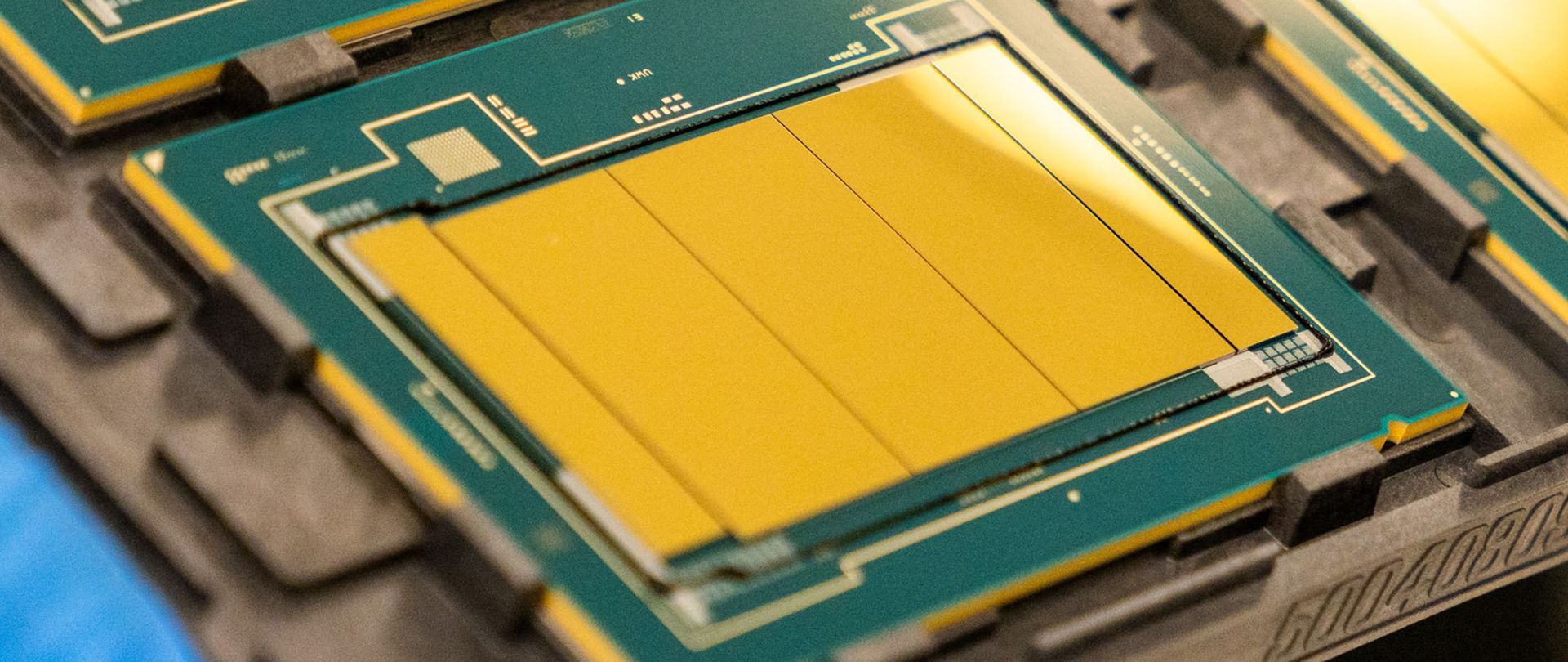
Intel was the first large chipmaker to start using advanced packaging methods, doing so between 2017 and 2019, as Tom's Hardware reported. The question now is where Intel's EMIB and Foveros technologies stand and where they are heading. That framing is telling. Advanced packaging was once a supporting capability; it has become a strategic one. For US companies designing chips that must compete on performance and power, packaging determines how quickly designs reach the market and how much performance can be extracted from silicon that is increasingly costly to shrink.
Intel's early lead in EMIB and Foveros gave it a head start, but the roadmap question implies the advantage is not assured. Packaging leadership is a moving target, and the companies that can turn packaging techniques into reliable, high-volume production will set the terms for the next generation of US-designed processors. That matters well beyond Intel's own balance sheet: American chip designers depend on domestic packaging capacity to keep their products competitive against overseas rivals.
The Human Cost of Fabrication
The second story is a reminder that chipmaking is a physical industrial business, not just a design exercise. Two workers died and one was seriously hurt in an explosion at Intel's Kiryat Gat chip plant in Israel, with police suspecting a gas cylinder malfunction, as Tom's Hardware reported. The human cost is the first and most important fact here. The secondary fact is that a single incident at one plant can ripple through supply chains and investor confidence.
For US technology companies, the incident underlines a risk that is easy to overlook when attention is fixed on roadmaps. Fabrication depends on hazardous materials, complex facilities and trained workforces, and safety failures carry consequences that reach beyond any one site. Companies that source from or operate plants across geographies inherit that exposure. Plant safety is not a peripheral compliance matter; it is part of the operational foundation on which packaging and process ambitions rest.
Sovereignty and the Homegrown Push
The third story shows the same competitive logic from a different angle. Russian semiconductor players demonstrated homegrown RISC-V and Arm silicon running retro games, showing off bespoke CPU and SoC designs across Arm and Elbrus architectures, as Tom's Hardware reported. The demonstration may be modest in scale, but the intent is clear: building indigenous chip capability that reduces reliance on foreign suppliers.