GPU Pricing Pressure Pushes Buyers Toward the Secondhand Market
Article

GPU Pricing Pressure Pushes Buyers Toward the Secondhand Market

Rising prices for new GPUs in Japan and a growing culture of reuse show the upgrade cycle is stalling, with consequences for US buyers and vendors.

SuryaOctober 19, 20265 min read

Photo: Tom's Hardware

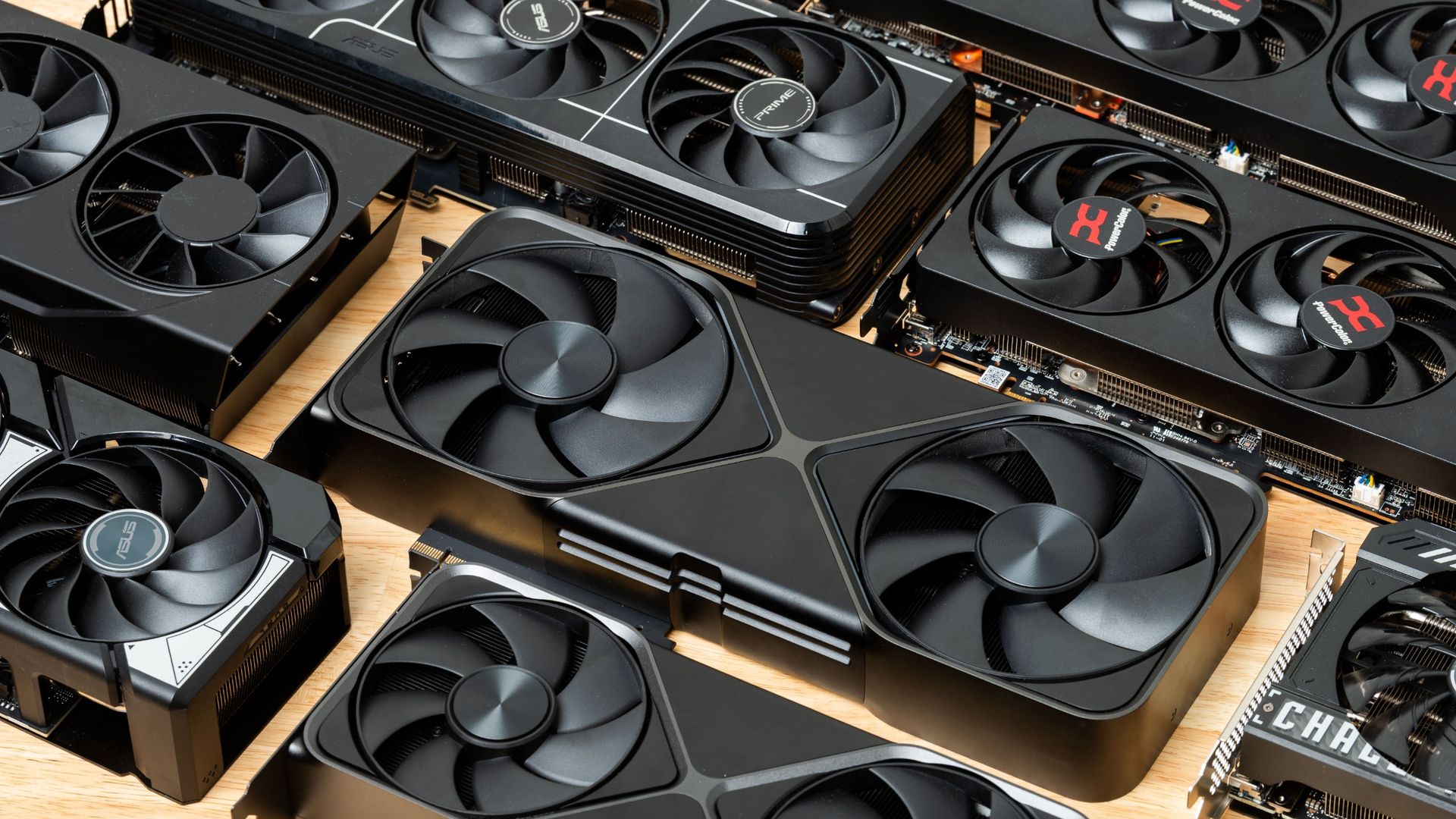
The GPU market is splitting into two tiers: a new-hardware tier where prices are climbing, and an installed-base tier where owners are being told to squeeze more from what they already own. The recent stories logged on this beat point in the same direction - the economics of buying a new graphics card are getting worse, and the value of keeping an old one is getting better.

The New-Card Premium Is Real

Tom's Hardware reports that a Japanese retailer has raised prices on RTX 50-series GPUs by between 12.71% and 41.10%, with mainstream models absorbing the largest increases. The same report notes that Japanese prices now sit up to 41% above Amazon US listings. That gap matters beyond Japan. When a mainstream card costs meaningfully more in one major market than in the US, it signals that regional pricing is being set by supply conditions rather than by any uniform global launch price. US buyers reading the story should draw the obvious inference: the American price is not necessarily a floor, and it is not guaranteed to hold.

The pattern is also regressive within the product stack. The report specifically identifies mainstream models as bearing the brunt of the increases. That is the segment most dependent on volume sales and the segment where a double-digit percentage increase translates most directly into a deferred purchase. Enthusiasts buying halo cards are less price-sensitive; buyers shopping mainstream cards are exactly the people for whom a 40% swing changes the decision. The price pressure is landing where it does the most damage to unit demand.

The Upgrade Math Is Changing

Against that backdrop, Engadget's guidance on boosting GPU performance without buying a new one reads less like a lifestyle tip and more like a rational response to market conditions. The advice is explicit that older hardware means going without some of the fancy features, but that high frame rates remain achievable with the right changes. In other words, the ceiling on older cards is lower, but the floor is still adequate for a large share of users.

That is a meaningful shift in how the upgrade case has to be made. For years the pitch for a new GPU rested on features that older cards simply could not deliver. When the new card costs substantially more - as the Tom's Hardware report indicates for at least one major market - the buyer's calculation changes. The question stops being whether the new card is better and becomes whether it is better enough to justify the premium. For mainstream buyers, that gap has widened.

The Second Life of Old Cards

Engadget's companion piece makes the reuse case directly: an old GPU has lots of potential for a second life, from adding horsepower to a current machine to building a purpose-built second one. This is the supply-side answer to the pricing problem. If new cards are expensive, the installed base becomes a reservoir of compute that can be redeployed rather than retired.

There is a practical implication for the US market here. American households and small businesses that bought GPUs over the past several generations now hold hardware with real residual utility. Repurposing it - as a second machine, a dedicated encode box, a lighter-duty gaming rig - is a way to add capability without entering the new-card market at current prices. That keeps money inside the existing installed base rather than flowing to vendors, and it lengthens the replacement cycle at exactly the moment vendors would prefer it to shorten.

Why US Vendors Should Pay Attention

The Japan pricing data and the reuse guidance describe the same demand-side problem from two directions. If mainstream cards are getting more expensive in a major market, and if credible publications are advising owners to extract more from older hardware instead of upgrading, then the addressable market for new mainstream GPUs is under pressure from both price and substitutes.

For US technology companies, the risk is not a collapse in demand for high-end AI hardware, which the material here does not address. The risk is concentrated in the consumer and prosumer graphics segment, where the upgrade treadmill depends on a steady flow of mainstream buyers trading up. The Tom's Hardware figures show prices rising fastest precisely in that segment. The Engadget pieces show the alternatives being actively promoted. Neither story is catastrophic on its own; together they describe a market where the marginal buyer has both a higher asking price and a more credible reason to wait.

There is also a competitive angle. If regional price disparities persist, the US market becomes a reference point rather than a guarantee - the Japanese retailer's prices running up to 41% above Amazon US, as Tom's Hardware reported, makes the US listing look like the bargain. That is a fragile basis for pricing power. It also invites comparisons that vendors may not want buyers making, particularly if US prices move in the same direction.

The Mainstream Squeeze

The detail worth dwelling on is the segmentation. The Tom's Hardware report does not describe a uniform price increase; it describes mainstream models taking the heaviest increases. That is the opposite of what a healthy consumer GPU market looks like, where volume segments typically see the most aggressive pricing and the steepest competition. A market where the entry and midrange tiers inflate fastest is one where the upgrade path narrows from the bottom, not the top.

That has a downstream effect on the secondhand market as well. If mainstream buyers defer, the supply of used cards available for resale tightens, and the reuse strategies Engadget describes become harder to execute at attractive prices. The two trends are not independent: expensive new mainstream cards suppress upgrades, which suppresses used supply, which raises used prices, which further strengthens the case for simply keeping what you have.

What to Watch

The clearest signal to track is whether the Japanese price increases reported by Tom's Hardware remain a regional anomaly or become a template. Watch US retail pricing on mainstream RTX 50-series models for movement in the same direction; the report's comparison to Amazon US gives a baseline. Watch, too, whether the reuse-and-tuning guidance from Engadget becomes a more prominent part of the consumer conversation, because that is a leading indicator of deferred demand. And watch the used market: if upgrade deferrals continue, the supply of secondhand cards that makes the "second life" pitch practical will tighten, and the cost of the workaround will rise alongside the cost of the thing it is meant to replace.

Sources

Tom's Hardware; Engadget.

More on this beat: Hardware on TechManNews.

#GPUs#GPU pricing#RTX 50-series#consumer hardware#upgrade cycle#Japan market

Newsletter

Get Tech News in Your Inbox

The latest AI, gadgets, software and startup stories from TechManNews, delivered every morning - free.