📣

Advertisement

Google Ad - 970×90 Leaderboard  TOP_LEADERBOARD_4

Legacy Software Is the New Retro Comeback
Article

Legacy Software Is the New Retro Comeback

Old tools like MapQuest, Windows diagnostics, and trademark battles show how nostalgia and stability are reshaping US tech choices.

Arjun NairSeptember 5, 20266 min read

Photo: Ars Technica

📣

Advertisement

Google Ad - 970×90 Leaderboard  TOP_LEADERBOARD_4

The Thread

A court ruling about a bird logo, a revived map app, and two guides to Microsoft’s built-in fix-it tools are not separate stories. They are the same story: in 2026, American consumers and companies are rediscovering that older, simpler, and often abandoned software still works - and that this retro stability is now a competitive advantage. The thread running through these four items is that legacy identity, legacy utilities, and legacy interfaces are having a mainstream moment, driven by distrust of constant change and a hunger for tools that do one thing without asking for a subscription or a redesign.

The Name Is the Product

The most legally telling item is the Musk court order, as reported by Ars Technica. A court allowed Musk’s company to block use of the word “Twitter” in an App Store listing, on the grounds that saying X is “formerly Twitter” lets the company control that name. Notably, the ruling did not block the word “tweet” or the bird logo. That distinction is not a legal footnote; it is a statement about how software identity works in the current market. For American tech companies, the name attached to an app is not a decoration. It is a promise of continuity. The court’s logic - that a name in a store listing can be controlled because it misleads users about what they are downloading - implies that users still rely on recognizable names to know what they are getting. In a market crowded with rebrands, mergers, and disappearing services, the name is the only stable anchor. The ruling also leaves room for other companies to use generic terms and icons, which means the legal battle is less about language and more about the specific identity tied to a product’s storefront. For US consumers, this is a reminder that the name on the icon matters more than the logo or the verb attached to it.

The Return of the Map

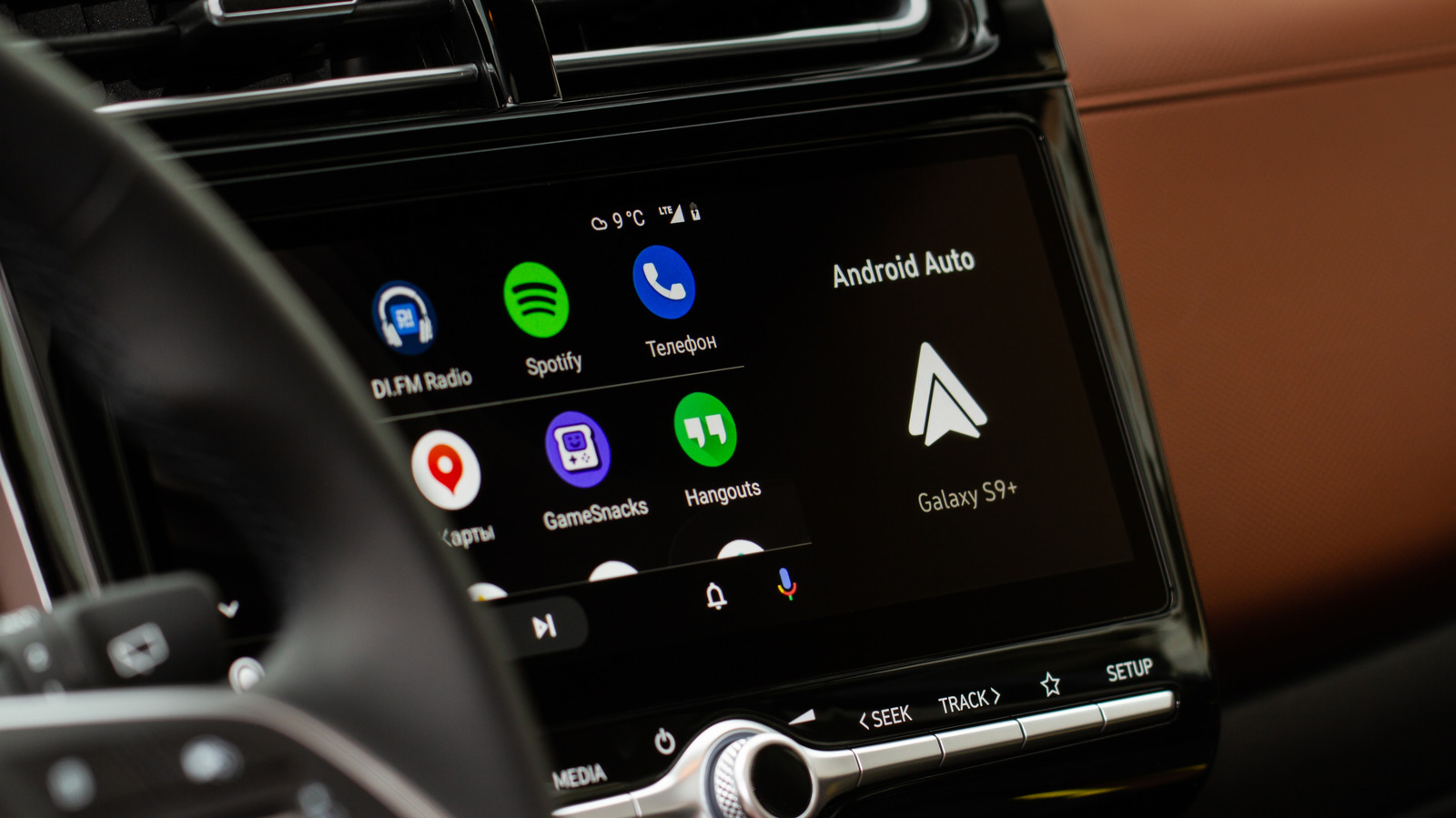
The most striking consumer signal is MapQuest, which per CNET is the most downloaded app in the US after it refused to relabel Lake Ontario. That sentence contains two facts that do most of the work: MapQuest is a relic of the early internet, and it gained the top download slot not by adding features but by refusing to change a label. The app’s revival is not about navigation technology - Google Maps and Apple Maps have more data and better routing. It is about a public stance against forced geographic renaming, which resonated with a large American audience. The Android Auto support added quickly after the fame surge shows the company understands that its moment is about accessibility, not innovation. For US consumers, the MapQuest story is a signal that trust can outrank capability. People downloaded an app because it said no to an external demand, not because it promised better turn-by-turn directions. That is a pattern that US technology companies should study: a legacy brand can leapfrog modern rivals if it stands for a clear value, even a value as simple as “we will not change the map because someone told us to.” The speed of the Android Auto update, also per CNET, suggests the company is treating this as a durable shift, not a one-day fad.

The Built-In Fix-It Revival

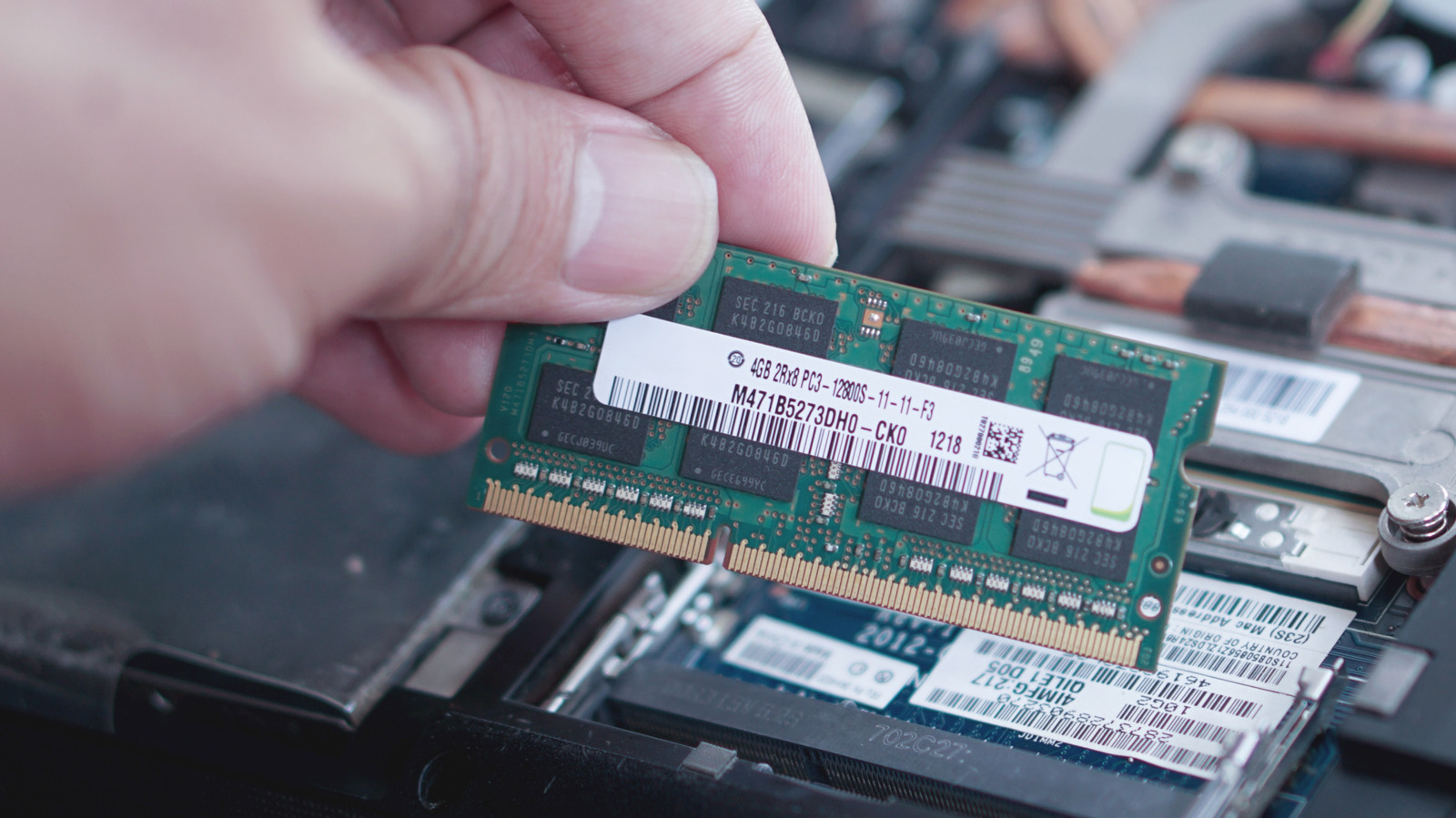
The two Engadget pieces on Windows tools point in the same direction, but from the inside of the operating system. One article explains what the Windows Memory Diagnostic tool does when you run it; the other offers a methodical way to see what is taking up space on a PC. Neither tool is new. Memory Diagnostic has been in Windows for decades, and the disk usage approach relies on standard file management. Yet Engadget felt these stories were worth publishing in 2026, and their audience presumably clicked. The reason is that American PC users are increasingly tired of third-party utilities that nag, bundle, or phone home. The native tools are not flashy, but they are free, they do not require an account, and they are already installed. The article about the Memory Diagnostic tool is essentially a guide to using a feature that has been dormant in most people’s systems for years. The space-cleaning guide is similar: it advocates a methodical look at folders rather than a one-click cleaner that might remove the wrong files. Both stories reinforce the same pattern as MapQuest: users are turning back to what is already there. In the US market, where software subscriptions have grown for a decade, the idea of a built-in tool that just runs and tells you the answer is now a selling point, not a limitation.

Advertisement

📣

728x90

MID_CONTENT_2

What This Means for US Tech Companies

For American technology companies, the pattern here is a warning against the assumption that newer is always better. Every major software vendor has spent the last decade moving users to the cloud, to subscriptions, to new interfaces, and to renamed brands. The stories above show that a large segment of users is comfortable with old names (Twitter, MapQuest), old tools (Memory Diagnostic, the Windows file explorer), and old icons (the bird). The court order and the MapQuest download spike are two sides of the same coin: users want to know what they are using, and they reward companies that respect that desire. The Windows guides are a quieter version of the same thing - users looking for help from Microsoft itself rather than from a third-party vendor with a shady business model. For the US market, this suggests a few practical lessons. First, a rebrand is costly and risky; the legal fight over “Twitter” shows that the old name still has commercial value long after the new one is in place. Second, a refusal to follow a political or cultural pressure can be a business strategy, as MapQuest demonstrated with Lake Ontario. Third, native functionality is underrated; the simplest answer to a user problem is often the tool already in the box, and writing clear guides to that tool can generate real engagement.

The Consumer Side of the Shift

For US consumers, the pattern is a reminder that software is not a fashion item. A person who downloads MapQuest because of a lake label is making a statement about cartography, but also about trust in institutions that do not bend to every external demand. A person who runs Windows Memory Diagnostic is choosing a slower but more reliable path than buying a new PC or installing a registry cleaner. A person who reads a guide to disk space is learning to manage their own machine rather than surrendering to a cloud storage subscription. These are small acts, but collectively they represent a shift in consumer behavior: less tolerance for churn, more appreciation for legacy tools, and a willingness to reward companies that acknowledge the past instead of erasing it. The Musk ruling, however narrow, reinforces that consumers look at names and store listings to make decisions about what to install. The fact that a court had to decide whether “formerly Twitter” was a controlling phrase shows how much value is attached to that historical reference. In the US market, where app stores mediate most software distribution, the name and the label are often the only points of contact between a company and a new user. That user wants stability.

What to Watch

The stories point to a few specific things worth tracking in the coming months. First, watch whether MapQuest can hold its top-download position after the initial burst of attention; the Android Auto update suggests the company is trying to convert novelty into habit. Second, watch how the Musk legal team uses the “formerly” precedent in other app store disputes; the ruling did not cover the word “tweet” or the bird, so there is room for further litigation about legacy terminology. Third, watch whether Microsoft begins to promote its built-in diagnostic tools more aggressively, given the evident interest in those guides. All three are early indicators of whether the legacy comeback is a passing moment or a durable shift in the US software market. Nothing in the reported facts guarantees either outcome, but the coincidence of a map app’s revival, a courtroom fight over a name, and two articles about decades-old Windows utilities suggests that the market is looking backward for stability - and that companies willing to honor that look will find an audience.

More on this beat: Software on TechManNews.

Advertisement

📣

728x90

IN_ARTICLE_5

#legacy software#MapQuest#Windows tools#brand identity#US tech market#software nostalgia

Newsletter

Get Tech News in Your Inbox

The latest AI, gadgets, software and startup stories from TechManNews, delivered every morning - free.