📣

Advertisement

Google Ad - 970×90 Leaderboard  TOP_LEADERBOARD_4

The Beta Life: Users as Product Testers in the Platform Era
Article

The Beta Life: Users as Product Testers in the Platform Era

Recent stories about beta iOS, Twitter’s split identity, and Android Auto’s audio ducking all point to one shift: consumers live permanently inside unfinished software.

Arjun NairSeptember 5, 20266 min read

Photo: Engadget

📣

Advertisement

Google Ad - 970×90 Leaderboard  TOP_LEADERBOARD_4

The Thread: We Are All Testers Now

Across three seemingly unrelated software stories, a single pattern emerges: the consumer software market in America has quietly converted its users into perpetual beta testers. A court ruling forces a social platform to abandon its name but keep its bird. An iPhone user is urged to back up before installing a public beta. An Android Auto driver battles a volume drop that is actually a safety feature. None of these is an isolated incident. Each describes a moment when a company shipped something incomplete, contested, or context-dependent, and then handed the consequences to the user. The through-line is not the technology itself, but the relationship it exposes: American consumers now absorb the risk, the ambiguity, and the homework of software that treats every launch as a work in progress.

The Name That Never Stops Moving

The report on the renamed Twitter - now Tweet.app, as Engadget noted - appears to be about trademark law. The court decided that “Twitter” was off-limits but that “tweet” and the bird logo were fair game. That is a narrow legal outcome, but the pattern is wider: software identity has become a moving target, and users are expected to follow. A platform that lives in a permanent beta state does not merely update its features; it can change its fundamental handle, its icon, and its public referent, all without changing the underlying product. For a US consumer, this is not a trivial rename. The name is the contract. When the courts split the company from its word, the platform kept operating, but every user’s mental model, bookmarked URL, and muscle memory were forced into a migration. The ruling did not shut the service down; it asked the public to adopt a new namespace on short notice. That is beta-style behavior applied to branding: ship first, litigate later, and let the user adapt.

The Beta Preview as a Lifestyle

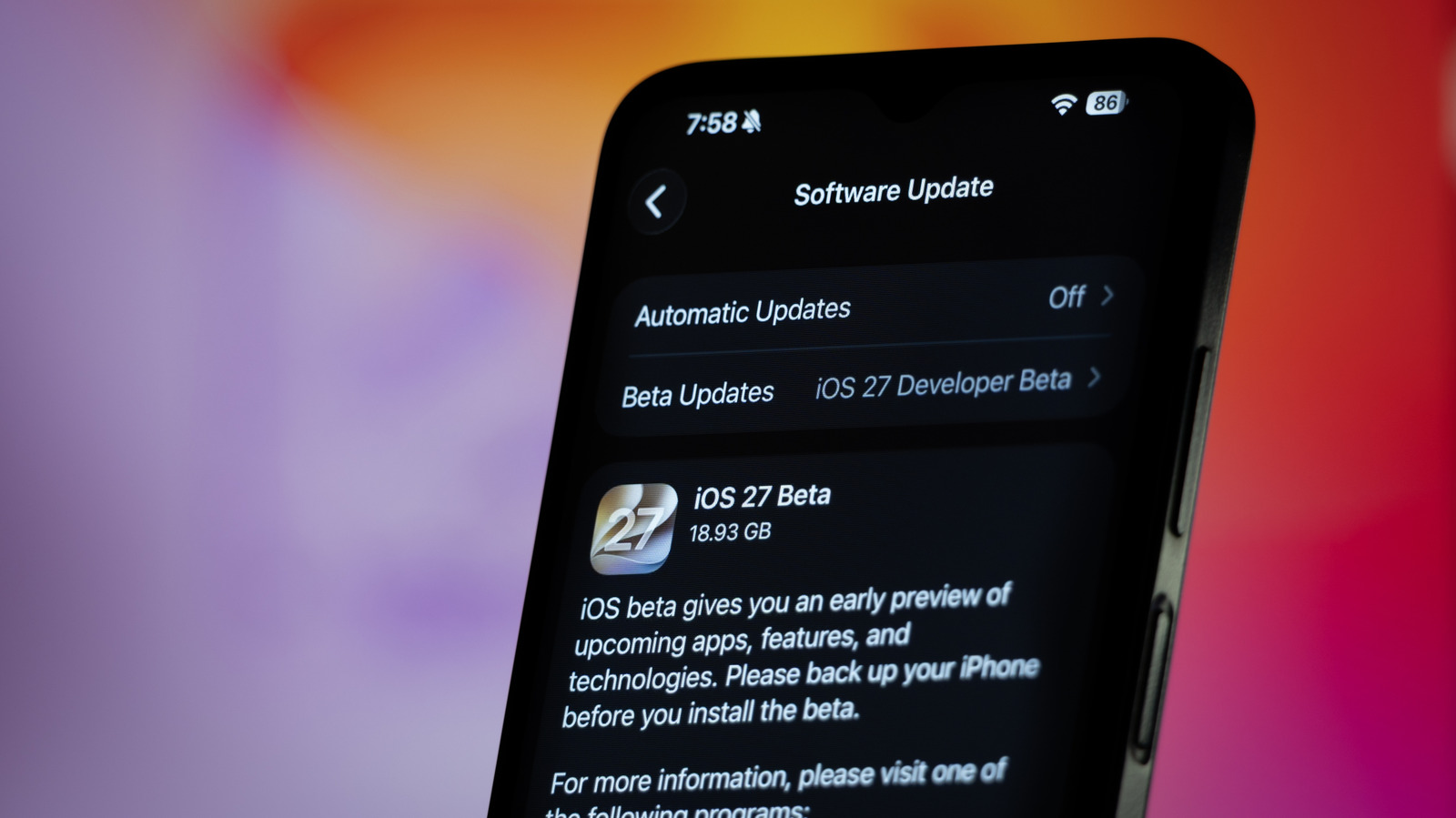
The second story, about installing an iOS public beta, is the most explicit version of the pattern. Engadget’s advice is to back up the device first. That is sensible, but the deeper point is that a major American phone maker now routinely invites consumers to run operating systems that are, by definition, unfinished. The public beta program has gone from a developer niche to a mainstream habit, and with it comes an explicit burden: the user must protect their own data before the software does. The instruction to “always do this first” is a quiet admission that the vendor’s default install path may not preserve what matters. In an earlier era, software bugs were patches to be issued after a release. Now the release is the patch, and the consumer is the quality-assurance department. The backup step is not a courtesy; it is a division of labor. The company supplies the build, the user supplies the insurance.

This arrangement has a particular meaning for the US market. American consumers tend to buy devices outright or on carrier plans, and they keep those devices for years. A beta operating system on a daily-driver iPhone is therefore not an experiment in a sandbox; it is the actual phone used for work, banking, and family communication. When a quiet bug corrupts a calendar or drains a battery, the cost lands on the individual, not on the vendor’s test lab. Engadget’s headline frames the backup as a prerequisite, but the real story is that the prerequisite has become the norm. No one asks whether a public beta should be offered at all; the question is only how to survive it.

The Feature That Fights the User

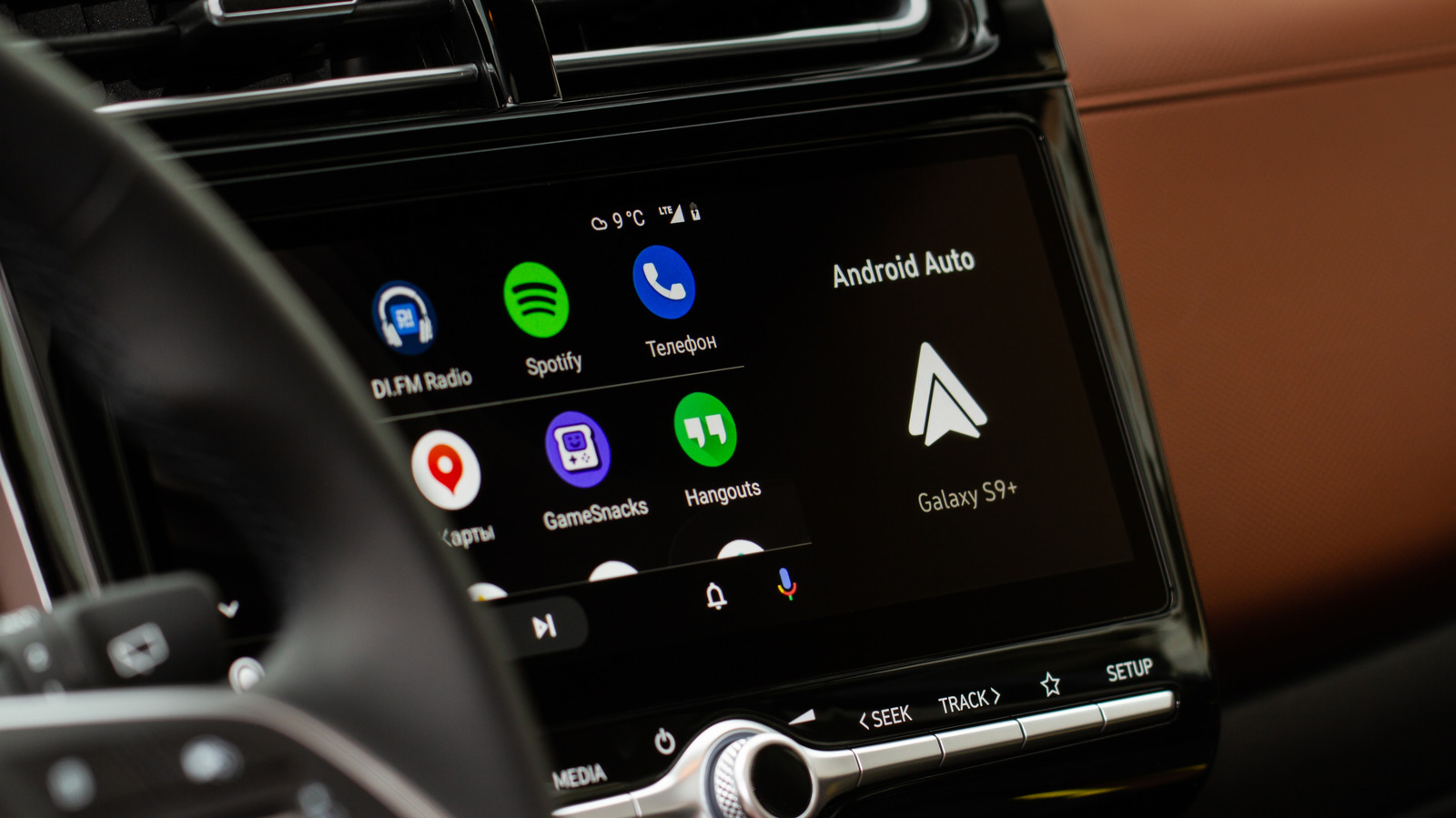
The third story, about Android Auto lowering the volume, appears to be a bug report at first glance. But Engadget explains that “audio ducking” is intentional: it lowers one sound to make another audible, often for navigation prompts or alerts. The annoyance is a feature, not a flaw. Yet the driver who experiences it does not see the intent; they see software that misbehaves. This is the same pattern inverted: here, the software is working as designed, but the design expects the user to tolerate a change in their experience without explanation. The platform has decided that the navigation voice deserves precedence over the music, and it does not ask permission. That is a small, daily dose of beta thinking - where the product’s logic overrides the user’s preference, and the user is left to discover the rationale on a support page or a news article.


Advertisement

📣

728x90

MID_CONTENT_2

For US consumers, who spend more time in cars than most other developed markets, this is not a marginal detail. A volume drop at every turn can feel like a fault, and the resolution is not a fix but an education. The user must learn that the system is not broken, just opinionated. That is the texture of modern software: it ships with assumptions baked in, and those assumptions are revealed over time, not explained up front. The consumer is no longer the buyer of a finished tool; they are a participant in an ongoing calibration of that tool’s behavior.

The Shared Logic: Risk Transfer and Perpetual Motion

What binds these three stories is a transfer of risk from the producer to the consumer. The court case transfers legal uncertainty onto the users of the platform, who must now navigate a new name. The iOS beta transfers data-loss risk onto the individual who forgets to back up. The Android Auto case transfers cognitive risk onto the driver who must understand why the volume dropped. In each, the vendor has externalized a cost: legal rebranding, prerelease quality control, and feature explainability. None of these costs is borne by the company at the moment of use; each is paid by the user in attention, habit, or potential loss.

This is distinctive to the American software market, which is dominated by a few large platforms that can ship at scale and iterate in public. Because these companies serve hundreds of millions of users, they can treat any subset as a test cohort. The public beta is not an accident; it is a strategy. The tweet and bird logo, as Engadget reported, remain fair game, which means the platform can keep its visual culture even as its legal name changes. That is a hedge: it keeps the user’s emotional attachment while discarding the legal liability. The audio ducking is the same hedge at a different scale - it keeps the driver safe by momentarily shaving the music, and it trusts that the user will not revolt.

The result is a consumer base that is never quite on stable ground. There is always a new beta, a new name, or a new behavior to learn. The software is never finished, and the user is never done adapting. For US consumers, this has become a quiet tax on attention. Every update, every rename, every unexplained volume shift adds a small cognitive load. The companies benefit from speed and flexibility; the consumer pays in vigilance.

What to Watch: The Next Build, The Next Backup, The Next Rename

The stories logged on this desk in the last two days do not point to a single headline to come. They point to a condition. The one to watch is how deeply this condition embeds itself in everyday routines. Will the Tweet.app change to stick, or will the court’s ruling produce another round of identity churn? For iOS users, will the public beta become the default path for a significant minority, making backup instructions a permanent part of every setup guide? For drivers, will Android Auto’s ducking logic become more transparent, or will it keep surprising users until they simply stop noticing? Engadget’s three reports do not answer those questions; they simply document the current state of a market where the product is never final. The thing to watch is not any single feature or ruling, but the slow normalization of this arrangement. As long as a phone maker can ship an unfinished operating system, a platform can be forced to shed its name and keep its icon, and a car system can override the radio for a spoken direction, the US consumer is not a customer in a market of finished goods. They are a resident in a beta environment. The next item in the log will likely confirm that again.

More on this beat: Software on TechManNews.

Advertisement

📣

728x90

IN_ARTICLE_5

#software#consumer tech#beta testing#platforms#user experience#risk

Newsletter

Get Tech News in Your Inbox

The latest AI, gadgets, software and startup stories from TechManNews, delivered every morning - free.