The Thread
The four stories logged on the hardware desk this week look unrelated at first glance: a GPU software patch, a data center's water use, a conference application deadline, and a battery-saving trick for game controllers. Pull them together, and a pattern emerges: the defining dynamic in US hardware in late 2026 is not innovation but friction. Companies and consumers are no longer waiting for official solutions, official schedules, or official rules. They are routing around constraints - some with a software hack, some with a recycled-water loop, some with a reusable battery pack, and some simply by hosting their own side event at a major conference.
The Rules Gap
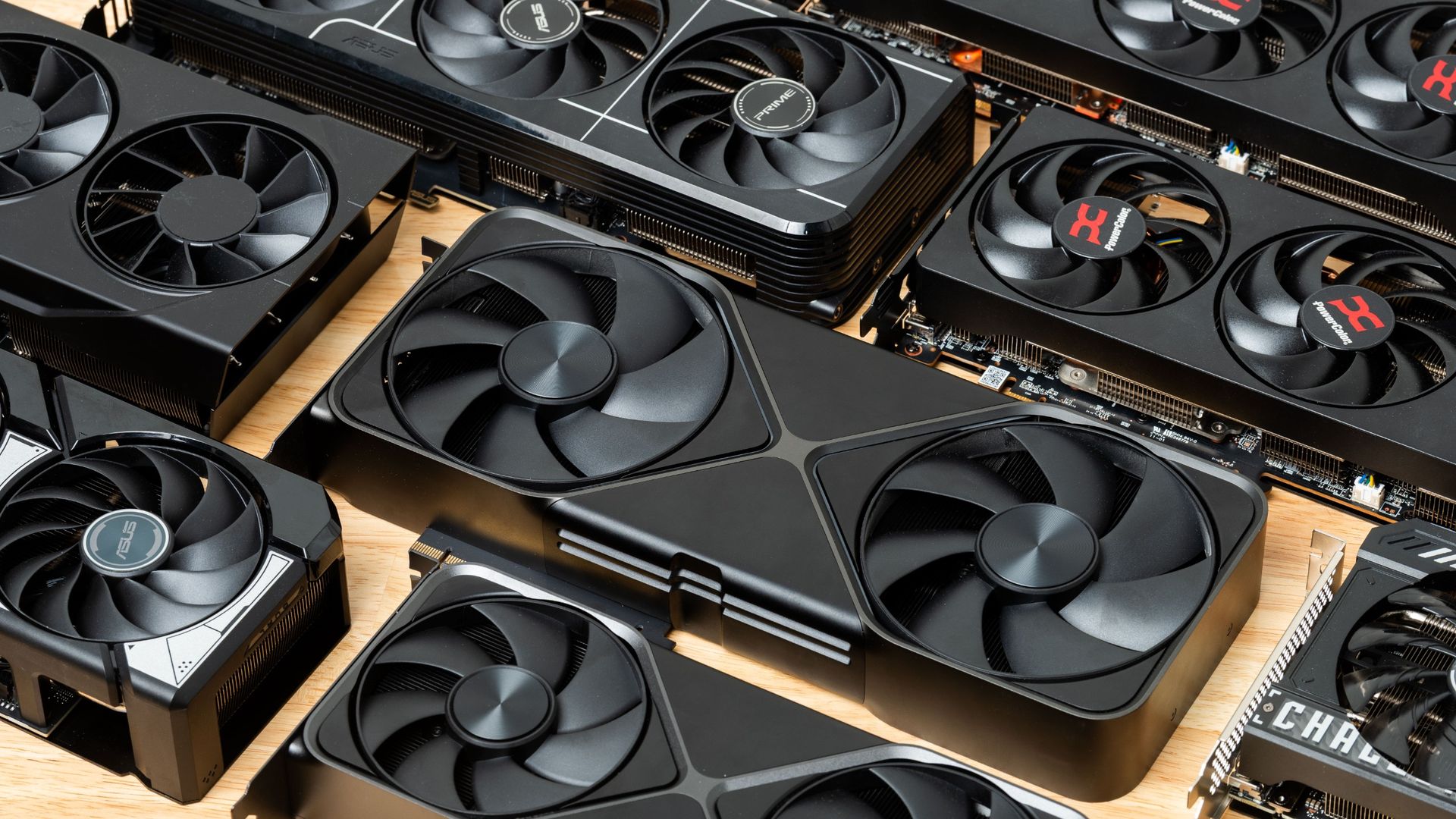
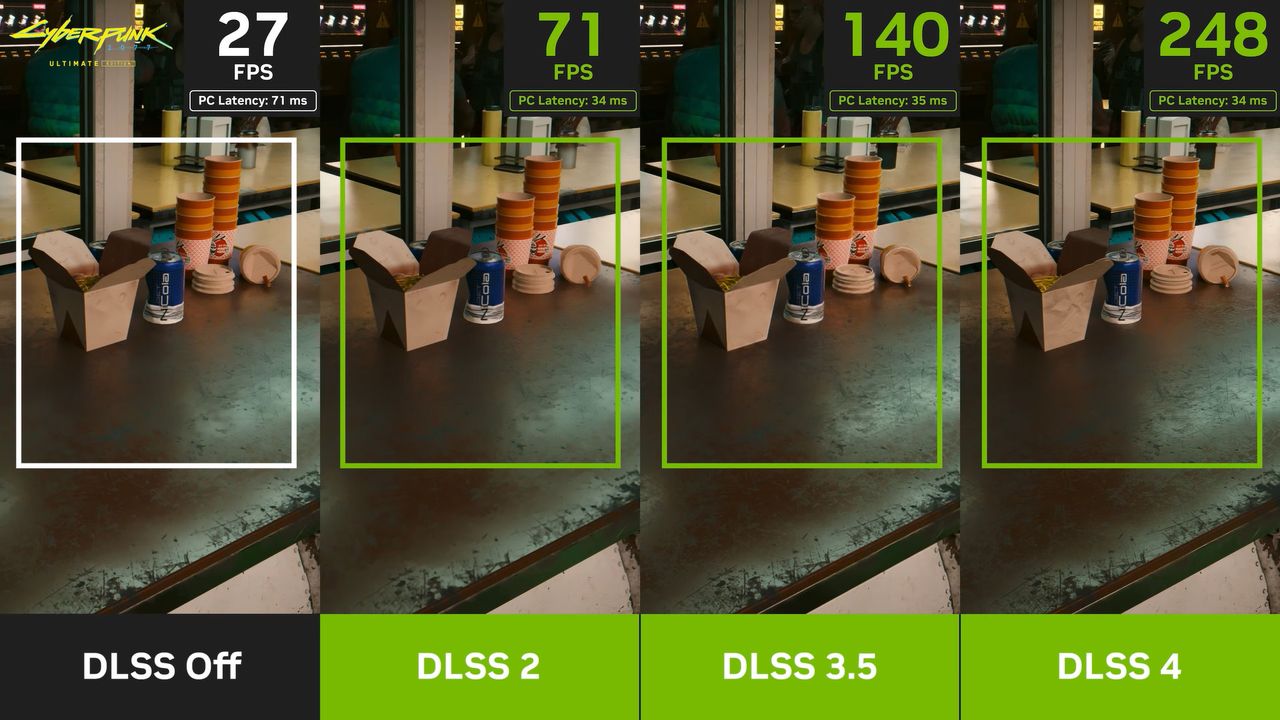
Nvidia's app update was meant to close a door. As Tom's Hardware reported, modders had already been unlocking DLSS Multi-Frame Generation for RTX 40-series cards - a feature Nvidia officially locked to the newer RTX 50 "Blackwell" GPUs. The update failed to block the unofficial mod, and within hours, modders restored support across multiple games.
That is not a story about a single company's enforcement failure. It is a story about the widening gap between what manufacturers declare and what users actually do. Nvidia built a hardware generation boundary and called it a feature distinction. Users, who owned the older but still capable cards, decided the boundary was artificial. They found a way around it, and when the company tried to close the loop, they found another way around that. The pattern is: official policy lags user practice, and the lag time is shrinking.
For US consumers, this matters because the RTX 40 series is still a large installed base in American gaming PCs. The official narrative - that you need to buy a new card to get new features - is being tested by a community that treats software locks as suggestions. The technology company response, so far, is an update that does not hold. That tells US consumers that the difference between product tiers is no longer a technical wall but a policy choice, and policy is harder to enforce than physics.
The Resource Constraint
Then there is the data center in Denver. As Tom's Hardware reported, the facility has been watering its lawn continuously even after the city announced drought restrictions. Residents are angry, and it is unclear whether the site is breaking the law or using its own recycled water.
This is the same pattern playing out with physical resources instead of software features. The data center is not waiting for the city to clarify its rules; it is operating as if it has a private workaround - its own water supply. Whether that is legal or not, the effect on the surrounding community is real: a visible, continuous green lawn during a drought while residents are told they cannot water theirs until next summer.
For US technology companies, this is a reputational and regulatory warning. AI data centers are being built at a rapid pace, and they consume power and water. When those resources strain local infrastructure, the companies' first instinct is to engineer a solution that keeps their operation running - recycled water, on-site storage, diesel backup. But the community sees a different story: a facility that does not share the same constraints as the people next door. In 2026, with drought conditions affecting parts of the US West, this is not an isolated PR problem. It is a pattern of hardware infrastructure being built ahead of - and sometimes around - the social contract.
The Consumer Patchwork
The third story, about Xbox controllers still shipping with AA batteries, is the consumer end of the same thread. As Engadget reported, you do not have to keep burning through disposables; there is an alternative. The article's framing - "stop replacing the batteries, do this instead" - is a consumer-level workaround. Microsoft has not moved to built-in rechargeables. So the user buys a rechargeable pack, or a dock, and creates their own solution.
This is small-scale, but it is the same logic as the GPU mod and the data center's water system. The official product has a gap. The user fills it with a third-party accessory or a habit change. No one waits for Microsoft to redesign the controller. The market simply adapts.