The recent run of deal news points to a single shift on the acquisitions beat: the AI buying wave is giving way to an integration wave. Companies that spent the past two years acquiring AI capability are now being judged on whether those assets scale, sell, or justify staying independent. The deals and launches logged this week are less about who is buying what than about what buyers and sellers must prove after the paperwork is signed.
Independence as a Deal Outcome
The most direct signal comes from Tenstorrent, the Nvidia challenger that drew acquisition interest earlier this year and chose not to sell. As TechCrunch reported, the company raised $1.5 billion at a $6.2 billion valuation to remain independent and scale its open-weight AI chips. On the deals beat, that is a notable outcome: acquisition interest that ends in a funding round rather than a transaction. For US technology companies watching the AI semiconductor space, it suggests that some targets now see a credible standalone path, and that the buyer cohort may have to compete with private capital rather than simply name a price. The valuation itself becomes a negotiating anchor for the next chip startup that receives an approach.
Post-Deal Launches Are the New Proof Point
Amazon's Bee offered the consumer-facing version of the same pattern. Bee launched its first new AI devices since its acquisition, an updated wearable and a credit-card-sized recorder that attaches to smartphones, with prices starting at $74.99, per TechCrunch. The devices summarize conversations, create to-do lists, and integrate with Alexa and Amazon shopping. Read on the deals beat, the product launch is the acquirer's disclosure that the asset is being folded into the platform rather than left as a standalone brand. The $74.99 entry price matters because it tests whether an acquired team can ship at Amazon's scale and price points, which is the question every US acquirer of a consumer AI startup eventually has to answer. For US consumers, the practical consequence of this deal is a cheaper, Amazon-integrated device category; for dealmakers, it is evidence in the integration column.
The Strategic Pivot Inside the Acquired Asset
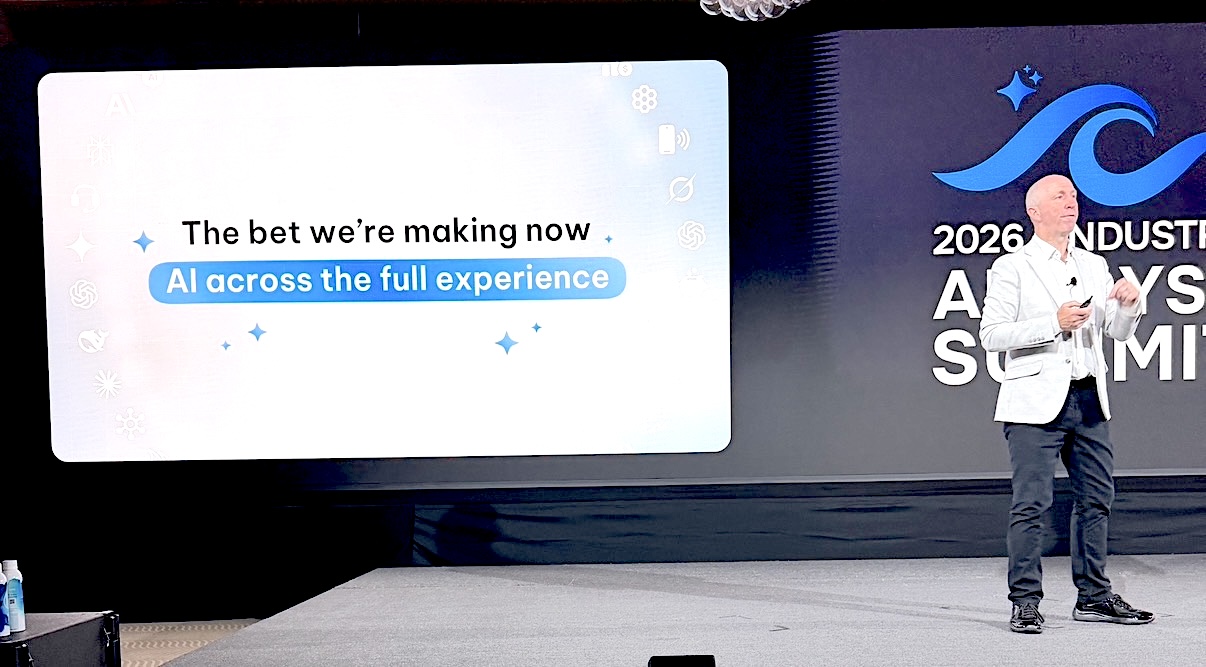
NiCE Ltd. supplies the enterprise version. A year after closing the Cognigy acquisition, NiCE used its annual industry analyst summit to demonstrate what happens when an AI strategy shifts an organization's center of gravity, as SiliconANGLE reported. The company is no longer positioned as a contact center-as-a-service provider, and it is betting on AI, data and accountability while its legacy business buys it time. That phrase, legacy business buys it time, is the most useful line on the beat this week. It describes the financing model of the current AI acquisition cycle: mature revenue streams underwrite the transition period while acquired AI capability is rebuilt into the core product. For US enterprise technology companies, the lesson is that closing the Cognigy deal was the midpoint, not the finish line. The accountability emphasis also hints at what enterprise buyers will demand from vendors that reposition through acquisition: proof, not positioning.